Does Shaving Armpits Reduce Sweat?
Shaving your armpits does not reduce the amount of sweat your body makes, but it can make sweat feel less trapped and easier to manage. If your main problem is damp hair, odor, or uneven antiperspirant coverage, shaving or trimming may help. If you are soaking through shirts, the bigger fix is usually a better antiperspirant routine or a stronger sweat-control option.
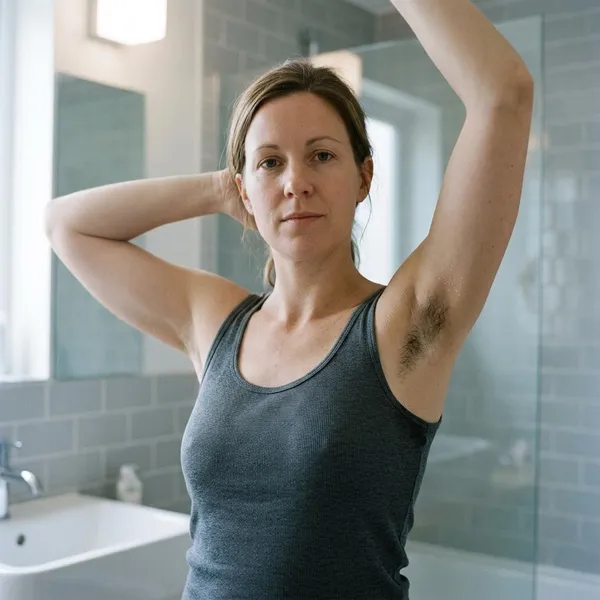
Does shaving armpits reduce sweat
The simple answer is no: shaving does not slow down your sweat glands. What it can change is how sweat sits on your skin, how quickly the area dries, and how fresh your underarms feel during the day.
That distinction matters. Someone with mild dampness during a hot commute may feel much better after shaving, while someone with heavy daily sweating may notice only a small comfort improvement.
Shaving does not reduce sweat production
Sweat is produced by glands under the skin, so removing the hair above the skin does not change how much sweat your body releases. Heat, exercise, stress, hormones, and your natural sweat level still drive underarm sweating whether the area is shaved, trimmed, or left natural.
So if your shirts are regularly wet through within a short time, shaving alone is unlikely to be enough. Treat it as a grooming change, not a sweat-reduction treatment.
Hair removal can reduce trapped moisture
Underarm hair can hold sweat close to the skin, especially in humid weather or under tight sleeves. With less hair, moisture has fewer places to cling, so the area may dry faster and feel less sticky.
- Most noticeable: warm days, workouts, commuting, or fitted clothing.
- Less noticeable: heavy sweating that soaks fabric regardless of hair length.
- Practical check: if the area feels damp for hours but your shirt is not soaked, trimming or shaving may help comfort.
Hair removal can improve comfort
For many people, the real benefit is comfort rather than less sweat. Shaved underarms can feel cleaner after exercise and easier to wipe dry. If close shaving causes razor burn, itching, or ingrown hairs, trimming is often the better middle ground: less trapped moisture without irritating the skin.
How shaving affects odor and sweat stains
Shaving is often more useful for odor and product performance than for sweat volume. Hair can hold moisture, oil, dead skin, and deodorant residue, which gives odor more time to linger and can make the area harder to clean well.
If your main issue is smell by late afternoon, hair removal may make a clearer difference than it would for someone whose main issue is heavy wet patches.
Less hair traps less moisture
Less hair usually means less trapped dampness. That can reduce the "wet underarm" feeling after a walk, workout, or hot train ride, even though your body is making the same amount of sweat.
It may also help with minor sweat stains because hair can wick moisture toward fabric. This is not a reliable fix for soaked shirts, but it can make light damp marks less obvious for some people.
Less hair gives bacteria fewer places to collect
Sweat itself is not the main smell problem; odor develops when bacteria break down sweat and oils on the skin. Underarm hair adds more surface area where moisture and residue can sit, so shaving or trimming can make washing more effective.
A useful way to judge it: if you still smell sweaty soon after showering or applying deodorant, focus first on cleansing the skin well and reducing buildup. Hair removal can support that, but it will not replace basic hygiene or the right product.
Antiperspirant can reach skin more easily
Antiperspirant works best when it reaches clean, dry skin. Thick underarm hair can leave more product on the hair instead of the skin, especially with sticks and roll-ons.
- Apply to dry skin: damp skin can make the product spread poorly.
- Use it at night: this often gives antiperspirant more time to work before daytime sweating starts.
- Avoid stinging skin: if you just shaved and the area burns, wait before applying.
- Adjust the format: sprays, sticks, gels, and roll-ons can feel very different on shaved or hairy skin.
How to manage underarm sweat better
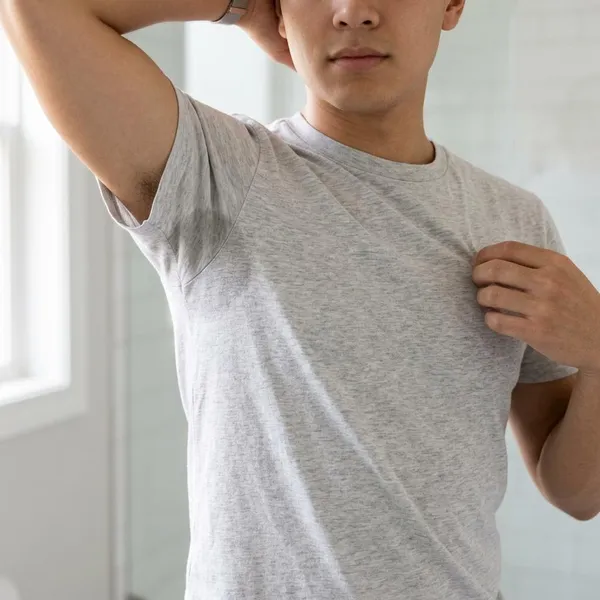
If you want better sweat control, start with the basics in the right order: clean skin, dry skin, correct antiperspirant timing, then stronger options if regular products are not enough. Shaving can support that routine, but it should not be the only step.
Keep the area clean and dry
Wash away old sweat, bacteria, and product buildup, then dry the area fully before applying deodorant or antiperspirant. This sounds simple, but it is often the difference between a product sitting on top of residue and actually working on the skin.
For a one-off hot day, breathable clothing and a spare shirt may be enough. For year-round underarm wetness, track when it happens: heat, stress, exercise, certain fabrics, or no clear trigger. That pattern helps you decide whether grooming is enough or whether you need stronger sweat control.
Apply antiperspirant correctly
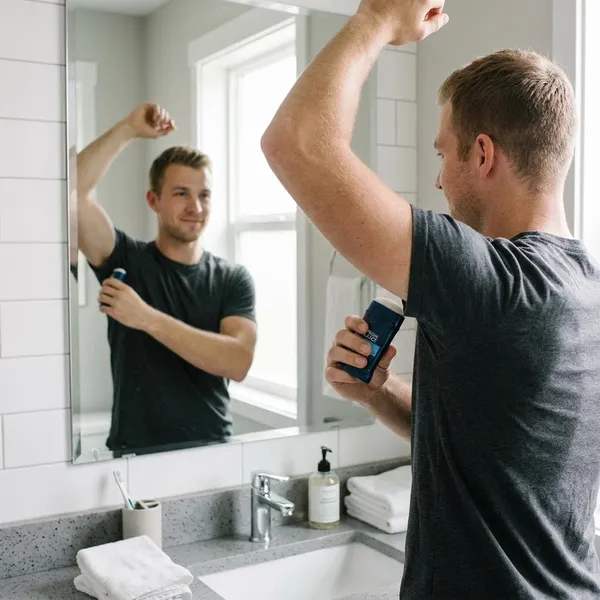
Use antiperspirant differently from deodorant. Deodorant mainly helps odor; antiperspirant is meant to reduce wetness. Apply it to clean, dry underarms before bed, then reassess in the morning instead of adding layer after layer during the day.
- If you shave: give irritated skin time to calm before applying.
- If you trim: keep hair short enough that product reaches the skin.
- If it fails by midday: try a stronger formula before assuming shaving is the answer.
Choose stronger options for heavy sweating
If underarm sweating regularly affects your clothes, workday, confidence, or sleep, treat it as more than a grooming issue. Clinical-strength antiperspirants are a reasonable next step for many people, and persistent excessive sweating may be worth discussing with a healthcare professional.
Be especially cautious if sweating becomes sudden, unusually intense, or comes with other symptoms. In that situation, guessing through razors and deodorants is not the best plan; it is better to get proper advice.
Conclusion
Shaving is worth trying if your underarms feel damp, sticky, or harder to keep fresh, but it will not reduce sweat production. For light moisture or odor, shaving or trimming can make daily care easier; for heavy sweating, the better priority is correct antiperspirant use and, if needed, stronger treatment options.
FAQS
Does armpit hair make you sweat more?
No. Armpit hair does not make your glands produce more sweat, but it can hold moisture against the skin and make sweating feel more noticeable.
Does shaving reduce body odor?
It can. Shaving or trimming may reduce odor because the area is easier to wash and there is less hair for sweat, oil, and bacteria to cling to.
Does antiperspirant work better on shaved armpits?
Often, yes. Antiperspirant usually performs better when it reaches dry skin directly, though trimming can be enough if close shaving irritates you.
Popular Articles