Is It Okay to Remove Armpit Hair Safely?
It is okay to remove armpit hair if you want to; for most people, the real issue is irritation, not whether the hair must stay. Underarm hair can reduce friction, so the best choice is the one your skin tolerates and your routine actually fits. If you remove it, start with the gentlest method that gives you the result you need.
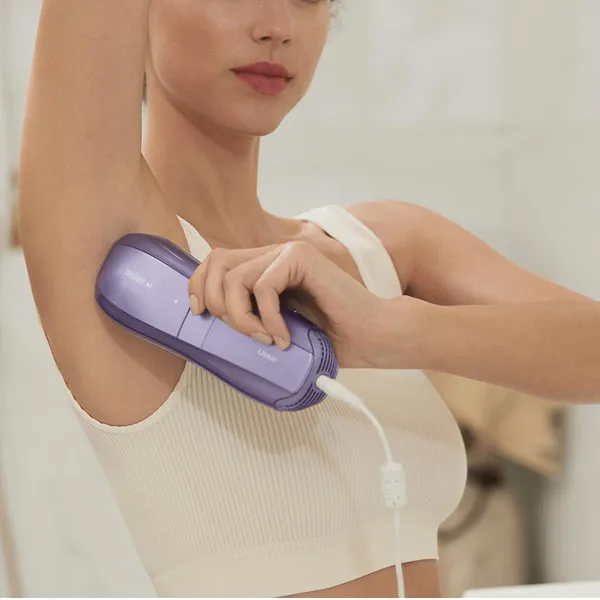
Why do people remove armpit hair?
People remove armpit hair for different reasons: appearance, comfort, deodorant use, clothing, or simply habit. None of those reasons are automatically better than keeping the hair. A better question is whether removal makes your underarms feel easier to manage without causing bumps, burning, or itching.
A smoother look and feel
Smooth underarms can feel lighter under fitted tops, sportswear, or during hot weather. This is mostly a comfort and appearance preference, not a hygiene requirement.
For a one-off situation, such as a beach day or an event, quick shaving may be enough. For someone who wants that smooth feel every week, irritation risk matters more, because repeating a harsh method can quickly become uncomfortable.
Less visible hair and stubble
Some people prefer less visible hair when wearing tank tops, swimwear, dancewear, or gym clothing. Others do not mind hair itself but dislike dark stubble that shows soon after shaving.
If stubble bothers you after a day or two, shaving may not be the most satisfying long-term method. Waxing, laser, or IPL can be worth considering when the goal is less visible regrowth rather than a quick same-day result.
Easier deodorant application
With less hair in the way, deodorant or antiperspirant can reach the skin more directly. Roll-ons, sticks, and creams may feel less sticky when they are not collecting on thicker hair.
Personal comfort and grooming preference
Comfort should lead the decision. If bare underarms make you feel fresher and your skin stays calm, removal is a reasonable grooming choice. If shaving leaves bumps, dark marks, or burning, there is nothing wrong with switching to trimming or leaving the hair alone.
- For occasional grooming: choose the least fussy method that works for that day.
- For year-round smoothness: pay more attention to irritation, regrowth speed, and aftercare.
- For reactive skin: trim first before trying methods that scrape, pull, or chemically dissolve hair.
What are the main ways to remove armpit hair?
The main methods are trimming, shaving, waxing, depilatory creams, and light-based reduction such as IPL or laser. The right choice depends on how smooth you want to be, how often you want maintenance, and how easily your underarm skin gets irritated.
| Method | Best for | Main trade-off |
|---|---|---|
| Trimming | Reducing bulk with minimal skin stress | Not completely smooth |
| Shaving | Fast smoothness at home | Stubble and razor irritation can return quickly |
| Waxing | Longer gaps between sessions | More pain and possible tenderness |
| Depilatory cream | Blade-free surface removal | Chemical irritation if unsuitable or left too long |
| IPL or laser | Gradually reducing regrowth | Requires compatibility, consistency, and patience |
How to remove armpit hair with less irritation
The first thing to check is your skin condition. If your underarms are already sore, itchy, broken, sunburned, or inflamed, delay hair removal instead of trying to "fix" the area by making it smoother. Healthy, calm skin handles grooming much better.
Start with clean, healthy skin
Wash away sweat, deodorant residue, and oil before you remove hair. Clean skin gives razors, creams, wax, or IPL a better starting point and lowers the chance of clogged follicles or stinging.
If you notice a rash, open cut, painful bump, or unusual swelling, skip hair removal until the area settles. Forcing it can turn a small irritation into several uncomfortable days.
Use clean tools and suitable products
A clean tool matters more than many people think. Replace razors before they feel rough, rinse trimmer heads, and avoid sharing grooming tools. For underarms, fragrance-free or sensitive-skin products are usually safer than heavily scented formulas.
- Shaving: use shaving gel or a gentle cleanser with slip.
- Trimming: use a guard to avoid nicking skin folds.
- Creams: choose a product suitable for underarm use.
- IPL: follow the device instructions and safety guidance.
Avoid repeated passes or aggressive treatment
Going over the same spot again and again is one of the fastest ways to irritate underarms. The skin folds, moves, and rubs throughout the day, so even mild scraping can feel worse later.
Patch test new products or devices
Patch testing is worth doing with depilatory creams, waxes, new aftercare products, and IPL devices. Test a small area first and wait long enough to see whether redness, burning, swelling, or rash appears.
This is especially important if you have eczema-prone skin, a history of product reactions, or underarms that darken easily after irritation. A small test is less frustrating than a full underarm reaction.
Moisturize and protect the skin afterward
After hair removal, use a bland, gentle moisturizer if the skin feels dry or tight. Avoid strong deodorant, acids, scrubs, and heavy fragrance while the area feels tender.
Timing also helps. Removing hair right before a sweaty workout, tight clothing, or swimming can make irritation more likely. If possible, groom when your underarms can have a quiet stretch with less heat, friction, and sweat.
Can Ulike IPL reduce the need to remove armpit hair?
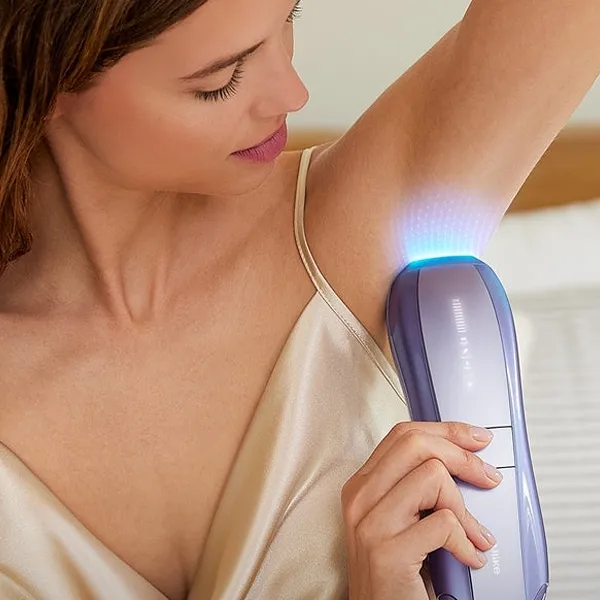
Ulike IPL may reduce how often you need to remove armpit hair if your hair color and skin tone are suitable for the device. It is meant for gradual hair reduction, so it is better for long-term routine control than for last-minute smoothness.

Underarms are a common area for IPL because the hair is often darker and coarser, which can give the light a clearer target. Still, results vary, and the safest approach is to treat compatibility and instructions as non-negotiable rather than assuming every device works for every person.
Ulike IPL targets pigment in underarm hair
IPL works by sending light toward pigment in the hair. Darker hair generally gives IPL more pigment to target. Light blonde, red, gray, or white hair may not contain enough melanin for effective IPL treatment and may fall outside the recommended hair-color range, so check the compatibility chart for your specific Ulike device before use.
Before using it on underarms, check the device's skin tone and hair color chart. That check is more useful than guessing based on someone else's results.
Repeated treatments can reduce visible regrowth
One session will not usually change your routine much. Hair grows in cycles, so repeated treatments are needed to catch more hairs at useful stages.
For someone who currently shaves every few days, the practical win may be needing fewer touch-ups over time. Think of IPL as routine reduction, not a single permanent fix.
Remaining hair can become finer and sparser
Even when some underarm hair still grows back, it may look finer, softer, or less dense. That can make stubble less noticeable and make occasional shaving feel easier.
Results depend on skin and hair compatibility
Compatibility affects both results and safety. IPL is often better suited to darker hair with enough contrast against the skin, but device guidance can differ, so use the specific chart and warnings for the model you own.
If your skin tone or hair color sits outside the recommended range, do not try to compensate with extra flashes or higher intensity. That is more likely to irritate the skin than improve results.
Maintenance treatments may still be needed
Maintenance is normal with IPL. Hormones and natural hair cycles can bring some regrowth back, so occasional follow-up sessions may be needed after the initial routine.
That does not make the method pointless. If it turns daily or weekly grooming into occasional upkeep, it may still be a good fit for someone who wants less underarm hair without constant shaving or waxing.
Conclusion
Removing armpit hair is usually fine when your skin is healthy and the method matches your tolerance. Choose trimming if irritation is your main concern, shaving if you need quick smoothness, waxing if you want longer gaps, and IPL if you are thinking about gradual reduction. The best routine is not the most aggressive one; it is the one that keeps your underarms comfortable after the hair is gone.
FAQS
Is it healthy to remove underarm hair?
Yes, it is generally healthy to remove underarm hair. The main concern is local skin irritation, so pause if you have cuts, rashes, painful bumps, or repeated reactions.
Is it bad to pull out armpit hair?
Pulling out individual armpit hairs can irritate the follicle, especially if you do it often or with dirty tweezers. If you want root removal, waxing is usually more controlled than random plucking.
What is the least irritating way to remove armpit hair?
Trimming is usually the least irritating because it shortens hair without scraping the skin or pulling from the root. It is the best first choice if shaving bumps or burning are common for you.

Popular Articles




