How Can You Shave Your Underarms Without Shaving Cream?
You can shave your underarms without shaving cream, but do not shave them dry. Use something slippery, such as conditioner, a gentle body wash, or a mild soap lather, then shave with light pressure and stop if the skin starts to sting. The safest version of how to shave your underarms without shaving cream is less about finding a perfect substitute and more about reducing friction from start to finish.
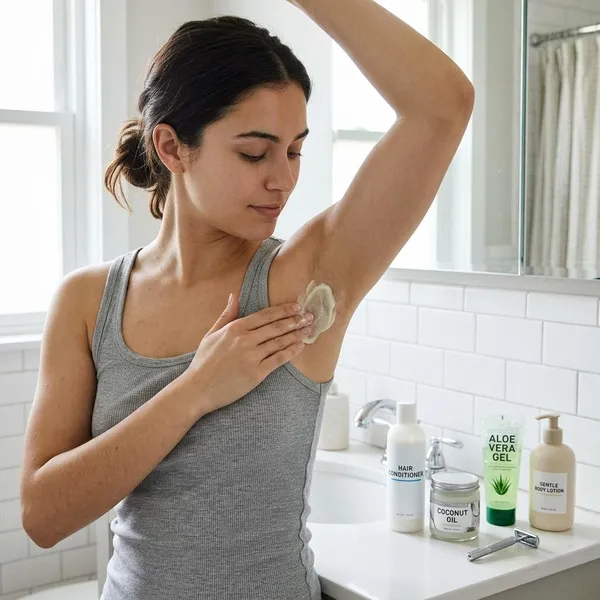
What can you use instead of shaving cream?
Start by checking two things: does the product feel slippery on wet skin, and does it usually leave your skin comfortable afterward? If the answer is yes, it may work as a short-term shaving cream substitute. If it feels drying, gritty, tingly, or strongly perfumed, keep it away from freshly shaved underarms if you can.
For a one-off situation, such as shaving quickly before going out, conditioner or a creamy body wash is usually the better choice. For regular shaving, especially if your underarms often sting after deodorant, choose the plainest fragrance-free option you have.
| Substitute | Best for | Be careful if |
|---|---|---|
| Hair conditioner | Extra slip and a smoother glide | It is heavily fragranced or mentholated |
| Gentle body wash | Quick shower shaving | It leaves skin tight or squeaky |
| Mild soap lather | Occasional use when nothing else is available | The lather dries before you finish |
| Fragrance-free products | Sensitive or easily irritated underarms | The label says "unscented" but still contains masking fragrance |
Hair conditioner for extra slip
Hair conditioner is often the best substitute because it softens hair and gives the razor more glide than soap. Use a small amount on wet skin, spread it thinly, and give it a few seconds before shaving if your underarm hair feels coarse.
Skip conditioners that feel cooling, strongly scented, or very rich with heavy oils. They may be fine for hair but annoying on freshly shaved underarm skin, especially if you plan to apply deodorant soon after.
Gentle body wash for a quick alternative
A gentle body wash works well when you are already in the shower and need a fast option. Choose a creamy or moisturizing one rather than a harsh, high-foam cleanser, and add more water if the product starts disappearing before the shave is finished.
Mild soap lather when nothing else is available
Soap can work in a pinch, but it needs plenty of water and a proper lather. The mistake is shaving over a thin, drying film because the razor then scrapes instead of glides.
- Use the mildest soap available.
- Re-lather as soon as the skin stops feeling slick.
- Moisturize afterward, since soap can leave the area drier.
Fragrance-free products for sensitive skin
If your underarms often burn, itch, or develop bumps, fragrance-free products are the safer default. Look for "fragrance-free" rather than only "unscented," because unscented products can still contain ingredients used to hide odor.
How to avoid razor burn and cuts
The main rule is simple: soften first, shave lightly, and do not chase a perfectly smooth result at the cost of irritated skin. Underarm hair can grow in several directions, so a close shave often tempts people into too many passes. That is where most razor burn starts.
Before you shave, raise your arm so the skin is as flat as possible. A curved, folded area is easier to nick, especially with a dull razor or a rushed long stroke.
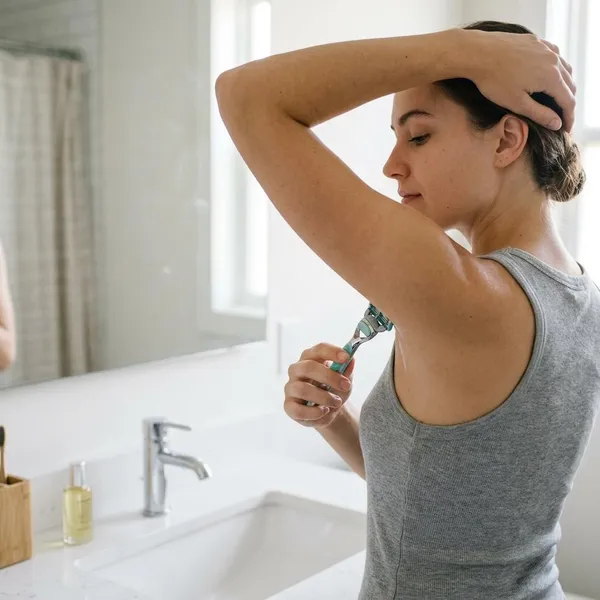
Never shave dry skin
Dry shaving underarms is the habit to avoid first. Even if it looks quick, the blade drags directly across thin skin and can leave burning, tiny cuts, or a rough rash by the time you get dressed.
Avoid pressing too hard
A razor should not need force. If you feel like you have to press, the blade may be dull, clogged, or moving over skin that is not slippery enough.
- Use short strokes instead of one long scrape.
- Rinse the blade every few strokes.
- Add more water or product if the razor starts skipping.
Limit repeated passes over the same area
One gentle pass, a quick check, and a small touch-up is usually enough. Going over the same patch again and again removes more than hair; it also irritates the skin surface.
Replace dull or damaged blades
A dull blade tugs, leaves patchy hair behind, and makes you press harder without meaning to. Replace the razor or cartridge if it feels rough, pulls at hair, shows rust, has bent edges, or no longer rinses clean.
Stop if the skin becomes irritated
Burning, sharp stinging, blotchy redness, or a raw feeling means the shave is done, even if a few hairs remain. Rinse with cool water, leave the area alone, and avoid exfoliants or strong deodorant until it settles.
If irritation happens almost every time, look at the pattern rather than blaming only the product. The usual causes are dry shaving, too many passes, a dull blade, or fragrance on freshly shaved skin.
What should you do after shaving your underarms?
After shaving, the goal is to remove residue and let the skin calm down before adding anything irritating. This step matters because underarms stay warm, rub against clothing, and often get deodorant applied right away.
Rinse away any remaining product
Rinse until the skin no longer feels coated or slippery. Leftover conditioner, soap, loose hair, and deodorant residue can become itchy once the area dries.
Cool or lukewarm water usually feels better than hot water here. It also helps you notice whether the skin looks calm or already irritated.
Pat the skin dry gently
Patting is better than rubbing because shaving already creates friction. Use a clean towel and light pressure, or let the area air dry for a minute if your skin is easily irritated.
Apply a fragrance-free moisturizer
A thin layer of fragrance-free moisturizer, gentle cream, or plain aloe vera gel can reduce tightness after shaving. Keep it simple: avoid exfoliating acids, strong perfume, and essential oils right after shaving.
Let the moisturizer absorb before getting dressed if you can. This is a small step, but it helps if clothing normally rubs your underarms or if your skin feels itchy later in the day.
Avoid irritating deodorants until the skin settles
Deodorant can sting on freshly shaved skin, especially if it contains alcohol, strong fragrance, or a formula your skin already dislikes. Waiting even a short while can make a noticeable difference.
If you always shave in the morning and then immediately apply deodorant, try switching the order of your routine: shave at night, moisturize, and apply deodorant once the skin feels normal again.

Conclusion
Shaving your underarms without shaving cream is fine when the skin is wet, the substitute is slippery, and the razor is clean and sharp. Conditioner is usually the most comfortable backup, body wash is useful for a quick shower shave, and soap should be treated as a last-minute option rather than a daily habit. If your skin starts burning or you know your underarms react easily, stop earlier, moisturize, and choose comfort over a perfectly close shave.
FAQS
Can you shave your armpits with soap?
Yes, but only with a wet, creamy lather. If the soap starts drying on your skin, re-lather or switch products because a dry soap film can make razor burn worse.
Is conditioner good for shaving underarms?
Yes, conditioner is often a good choice because it gives the razor slip and softens the hair. A plain, fragrance-free conditioner is better if your underarms sting easily.
Is it better to shave armpits wet or dry?
Wet is better. Dry shaving creates more friction, while warm water and a slippery product help the blade move without scraping the skin.


Popular Articles




