How Can People with Black Skin Remove Facial Hair Safely?
The best facial hair removal for Black skin is usually the method that removes enough hair without triggering bumps, burns, or dark marks. For many people, that means starting with low-irritation options like trimming or careful shaving, then considering threading, electrolysis, Nd:YAG laser, or compatible IPL only when the skin and hair type make sense.
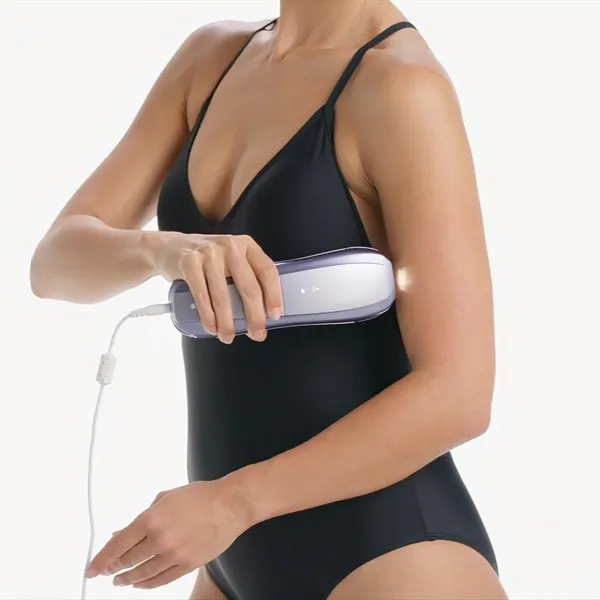
What is the best facial hair removal for Black skin
The safest choice depends on three things first: how reactive your skin is, how coarse the hair is, and whether you want temporary control or long-term removal. If you are bump-prone or dealing with acne, trimming is often the lowest-risk place to start. If coarse chin or jawline hair keeps becoming ingrown, a professional option such as Nd:YAG laser may be more useful than repeatedly shaving the same irritated area.
Trimming for the lowest irritation
Trimming is the gentlest option because it cuts hair above the skin instead of pulling it out or heating the follicle. It is a good fit if your skin darkens easily after irritation, if you have active acne, or if you only need facial hair to look less visible rather than perfectly smooth.
The tradeoff is texture. Coarse chin hair may still feel slightly rough after trimming, but for many people that is better than dealing with inflamed bumps or new dark spots. Use a clean facial trimmer, light pressure, and avoid going over the same patch again and again.
Shaving for quick removal
Shaving can work well on Black skin when the goal is fast, inexpensive removal. It does not make hair grow back thicker; the blunt cut edge can simply feel sharper as it returns.
The main risk is razor bumps, especially where hair is curly or coarse. For a lower-risk shave, use lubrication, shave with the grain, and consider a single-blade, guarded razor, or electric facial shaver instead of a very close multi-blade shave. A slightly less smooth finish is often the smarter choice if your jawline tends to scar or darken after irritation.
Threading for small areas
Threading is useful when you want precision without wax, heat, or chemical creams. It makes the most sense for the upper lip, brows, or a few isolated hairs rather than large irritated areas.
It can still cause friction, so avoid threading over fresh breakouts, sunburned skin, or areas already tender from retinoids or exfoliating acids. A gentle threader matters more than a fast appointment, especially if your skin holds onto redness or pigment after trauma.
Nd:YAG laser for professional reduction
For dark, coarse facial hair on deeper skin tones, Nd:YAG laser is often the professional laser type to ask about because it is generally considered more suitable for melanin-rich skin than many shorter-wavelength lasers. It can be especially helpful for someone who shaves the chin every few days and keeps getting ingrowns in the same places.
Provider skill is the safety filter here. Ask whether the clinic regularly treats Black skin, whether they use test spots, how they choose settings, and what cooling is used. A bargain package is not worth burns, blistering, or long-lasting hyperpigmentation.
Electrolysis for permanent removal
Electrolysis treats follicles one by one, so it is slower than laser but can offer permanent removal when done properly. It is especially useful for gray, white, blonde, red, or stubborn individual hairs because it does not depend on dark pigment in the hair.
For Black skin, the important detail is healing. A skilled electrologist should avoid overtreating the skin and should give clear aftercare, because scabbing, picking, and aggressive settings can all increase the chance of dark marks.
Ulike IPL for compatible skin tones
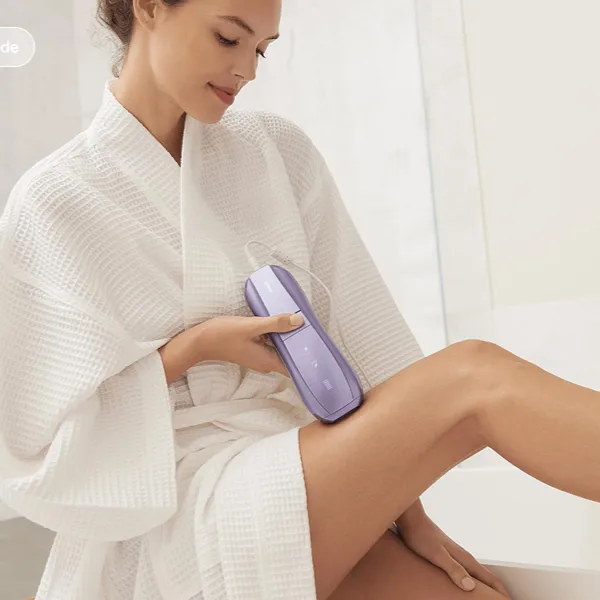
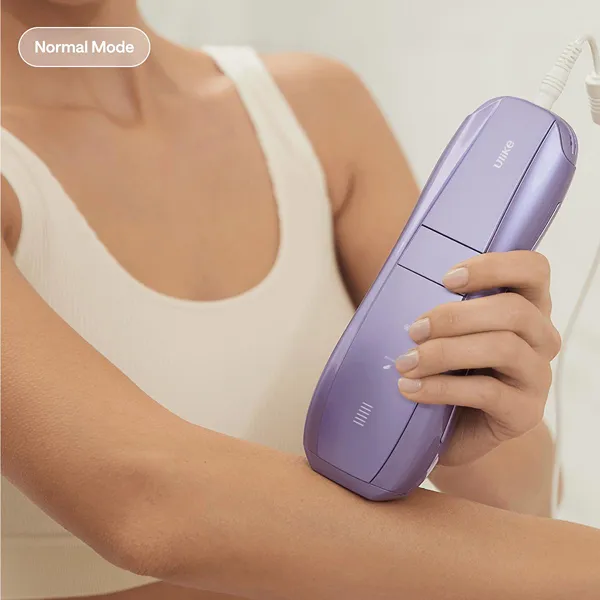
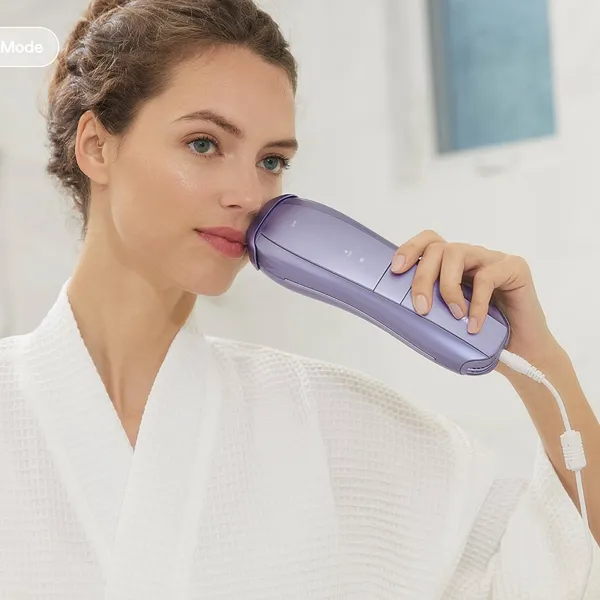
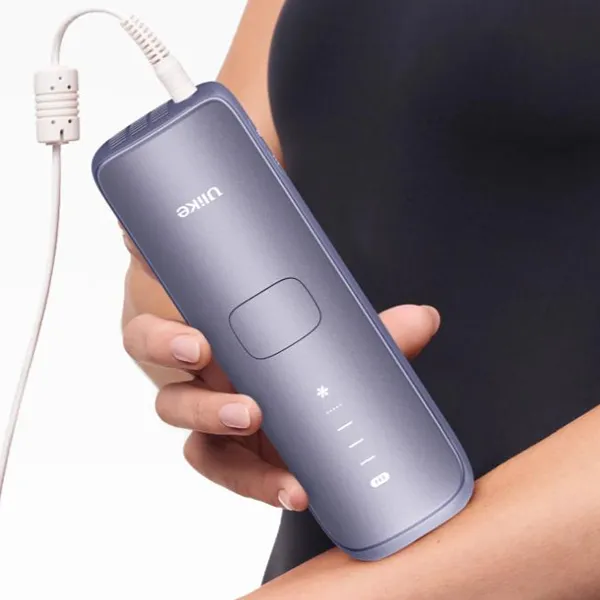
Ulike IPL can be convenient, but it should be treated as a conditional option rather than a universal answer for Black skin. IPL needs enough contrast between the hair and the skin; when the skin tone is too deep for the device, more light energy may be absorbed by the skin instead of the hair.
This is where at-home use becomes risky. If your tone is clearly inside the manufacturer's approved range and your facial hair is dark, it may be worth considering with a patch test and conservative settings. If your skin is near or beyond the cutoff on the chart, the safer choice is to skip facial IPL and look at trimming, electrolysis, or professional Nd:YAG laser instead.
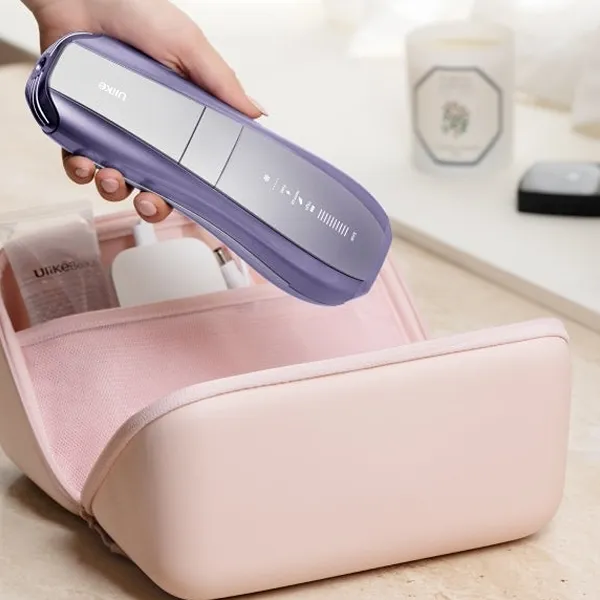
Can Ulike Air 10 work on Black skin
Ulike Air 10 may work for some brown or Black skin tones, but not for every deep complexion. The decision should come from the current manufacturer skin-tone chart, your untreated facial skin shade, and your hair color—not from broad claims like "works on dark skin."
Check your exact skin tone
Compare the device chart with clean, untreated skin in natural light. Do not judge from a tanned area, a recently irritated patch, or indoor bathroom lighting. If your shade looks close to the darkest approved tone, that is a caution sign, not a reason to "try a little stronger."
Confirm your hair color
Dark brown or black facial hair is the best match for IPL. Gray, white, blonde, red, or very fine peach-fuzz hair usually gives poor results because there is not enough pigment for the light to target well. In that situation, taking on facial skin risk for weak results does not make much sense.
Avoid incompatible deep skin tones
If your tone is outside the approved range, do not use Ulike Air 10 on your face. The concern is not only that it may fail to reduce hair; it may also overheat the skin and leave burns or pigment changes.
For a deeper complexion with coarse chin or jawline hair, professional Nd:YAG laser is usually the more controlled long-term route. For a few scattered hairs, electrolysis may be the better investment.
Follow facial treatment boundaries
Use the device only on facial zones the manual specifically allows. Upper lip and chin rules do not automatically apply to brows, temples, hairline, nostrils, or anywhere close to the eyes.
- Skip irritated skin: do not treat active breakouts, peeling, cuts, or freshly exfoliated areas.
- Be careful with actives: retinoids, strong acids, and benzoyl peroxide can make the skin more reactive.
- Protect your eyes: never improvise around the brow area or upper cheekbone.
Patch test before full treatment
A patch test is non-negotiable for facial IPL on melanin-rich skin. Test one small area at a conservative setting, then wait the full period recommended by the manufacturer before treating more skin.
- Start with clean, dry, calm skin.
- Use one small test spot, not a whole section of the face.
- Check later in natural light for tenderness, darkening, redness, or blistering.
- Stop if anything feels hotter, sharper, or more irritated than expected.
Best facial hair removal by need
The easiest way to choose is to match the method to the problem you actually have. Someone removing faint upper-lip hair before an event does not need the same plan as someone with dense jawline hair and repeated ingrowns. Temporary control, long-term reduction, and permanent removal are different goals.
If your skin is calm and the hair is light or fine, a small-area method may be enough. If your skin is already inflamed, choose the least traumatic option first and wait before trying anything stronger. If the hair is coarse, dark, and repeatedly causing bumps, it may be time to stop relying only on short-term fixes.
Trimming for sensitive skin
Choose trimming when irritation is the bigger problem than the hair itself. It is especially practical during acne flares, eczema-prone periods, or weeks when your skin barrier feels dry, tight, or over-exfoliated.
For a low-risk routine, trim on dry or slightly moisturized skin, clean the trimmer head after use, and stop once the hair is less visible. Chasing a perfectly bare finish defeats the purpose of choosing the gentlest method.
Shaving for coarse jawline hair
Shaving is useful when coarse jawline hair needs quick control, but it should be done with bump prevention in mind. Use slip, shave with the grain, and avoid repeated passes over the same spot.
If you need to shave every day and still get painful bumps or dark marks, shaving may be only a short-term solution. That is a sign to consider professional reduction rather than pushing the razor closer.
Threading for the upper lip
Threading works well for the upper lip because the area is small and precision matters. It can give a cleaner look than trimming without using wax or depilatory cream.
Book it when your skin is calm, not right after strong exfoliation or a breakout. Afterward, keep the area simple: no scrubs, strong acids, or heavy rubbing for the rest of the day.
Electrolysis for lighter hairs
Electrolysis is the better choice for lighter hairs that laser and IPL cannot "see" well. It also makes sense for a few stubborn chin hairs left behind after other methods.
Because each follicle is treated separately, it is not the fastest option for a large area. It is more of a steady, precise plan for people who want permanence and are willing to commit to multiple sessions.
Nd:YAG laser for deep skin tones
Nd:YAG laser is often the strongest option for deep skin tones when the hair is dark, coarse, and dense enough to target. It can reduce the cycle of shaving, ingrowns, irritation, and new dark marks over time.
- Good fit: coarse chin or jawline hair, repeated ingrowns, desire for long-term reduction.
- Be cautious: recent tanning, active irritation, photosensitizing medication, or a clinic with little experience treating Black skin.
- Ask first: what laser they use, whether they test spot, and how they handle cooling and aftercare.
Ulike IPL for compatible at-home use
Ulike IPL may be useful for someone who is clearly within the approved skin-tone range, has dark facial hair, and wants at-home maintenance rather than clinic visits. It is not the method to choose when you are unsure about your shade or when your skin reacts easily to heat.
A realistic scenario: if you have medium-brown skin that the chart clearly approves and dark upper-lip hair, cautious use after a patch test may be reasonable. If you have very deep skin and coarse chin hair, professional advice is safer than experimenting with repeated flashes at home.
Conclusion
The smartest choice is the one your skin can tolerate repeatedly, not the one that sounds most powerful. Start with the least irritating method that meets your goal, move toward electrolysis or Nd:YAG laser when you need lasting results, and treat at-home IPL as an option only when your exact tone, hair color, and facial area are clearly compatible.
FAQS
Does shaving make facial hair grow back thicker?
No. Shaving cuts the hair bluntly at the surface, so regrowth can feel sharper, but it does not change the follicle or make the hair grow faster.
Can depilatory creams darken Black skin?
They can if they irritate or burn the skin. The darkening usually comes from post-inflammatory hyperpigmentation, so a facial formula and patch test matter.
Is electrolysis better than laser for facial hair?
Electrolysis is better for permanent removal and light-colored hairs. Laser is usually faster for larger areas of dark, coarse hair when the right laser and provider are used.
Does Ulike IPL work on every brown skin tone?
No. Some brown skin tones may be compatible, while deeper tones may not be safe for at-home IPL, so the current device chart and a patch test should decide.


Popular Articles