What to Expect Before You Start Hair Laser Treatment
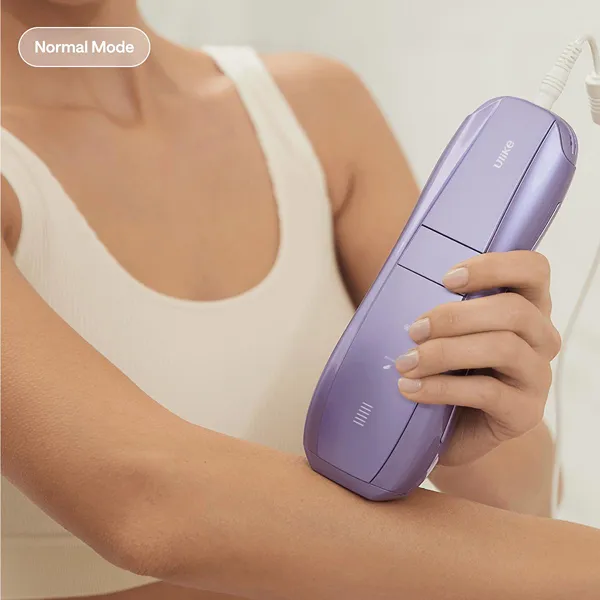
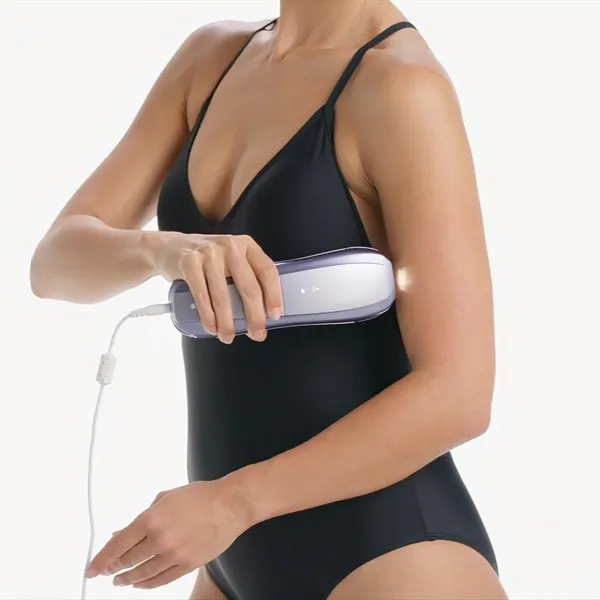
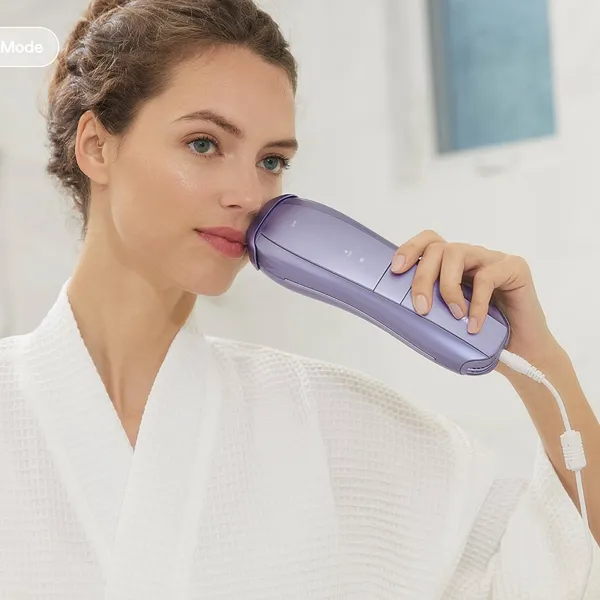
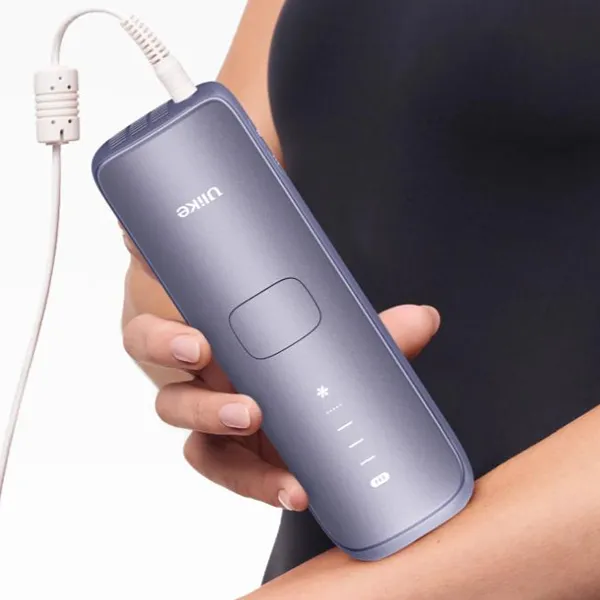
Hair laser treatment can be a good choice if you want longer-lasting hair reduction, not just a break from shaving for a few days. The first things to check are whether your hair has enough pigment, whether your skin is suitable for the device being used, and whether you can commit to repeat sessions. If clinic visits feel unrealistic, Ulike IPL may be worth comparing as a slower, more private at-home option.
What is hair laser treatment
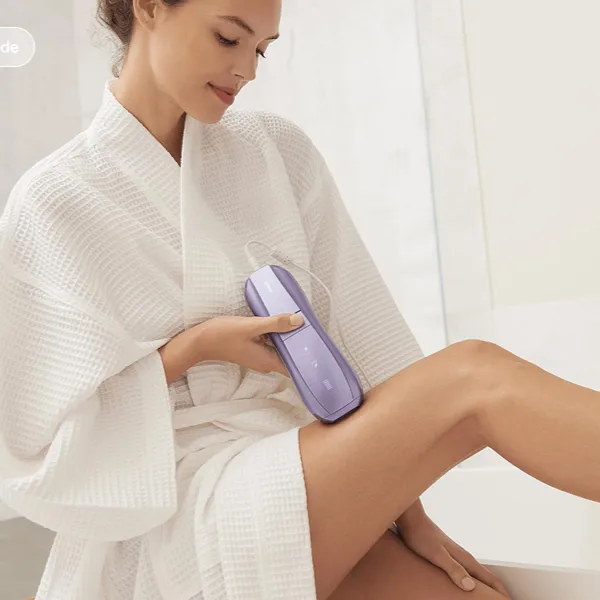
Hair laser treatment uses concentrated light to reduce unwanted hair over time. It is usually better described as long-term hair reduction rather than a promise that every hair will disappear forever.
Laser light targets pigment in hair
The laser is drawn to melanin, the pigment in the hair. That is why coarse dark underarm or bikini hair often responds more predictably than fine pale facial fuzz.
This pigment targeting also explains why settings matter. Too little energy may not affect the follicle much; too much for the skin type can raise the risk of irritation or pigmentation changes. A good consultation should feel specific, not like a quick sales step.
Heat weakens the hair follicle
After the hair absorbs the light, that energy turns into heat inside the follicle. The aim is to weaken the structures that help the hair grow back thick and visible.
Results are gradual. A treated area may look unchanged at first, then hairs shed over the following days or weeks. A realistic early win is slower, patchier regrowth rather than perfectly smooth skin after one visit.
Growth cycles make repeat sessions necessary
One appointment cannot catch every follicle at the right moment. Hair grows in cycles, and laser works best when the hair is in an active growth phase.
Many clinic plans involve several sessions spaced weeks apart, with occasional maintenance later. If you want a smoother bikini line for one holiday, waxing may feel more immediate; if you want less shaving all year, a full laser schedule makes more sense.
Which areas can hair laser treat
Hair laser can be used on many common areas, from small facial zones to larger body areas. The better question is not only "Can this area be treated?" but "Is the hair in this area suitable, and is the expected result worth the cost and time?"
Small areas are easier to test first. Larger areas can change your routine more noticeably, but they need more time, more budget, and more patience.
Face and upper lip
The upper lip, chin, and other facial areas can be treated, but they deserve extra caution. Facial skin is visible and often more reactive, and facial hair can be strongly influenced by hormones.
If the hair is coarse and dark, laser may be useful. If the hair is very fine, soft, or "peach fuzz," ask directly whether treatment is recommended, because some facial patterns are less predictable and may need a more careful plan.
Underarms
Underarms are a common starting point because the area is small, appointments are quick, and the hair is often dark enough to target well. It is also one of the easiest areas to judge in daily life: less shadow, fewer razor bumps, and less stubble can feel noticeable quite quickly.
Bikini line
The bikini line is often a good match because the hair is usually coarse, but the skin can be sensitive. Decide before the appointment whether you want only the visible bikini edge reduced or a more extended style, because comfort, coverage, and price can change.
This area is especially practical for people who get shaving bumps before swimming, sports, or travel. For occasional summer grooming only, the commitment may feel high; for year-round irritation, laser can be easier to justify.
Legs and arms
Legs and arms are useful treatment areas when shaving takes up too much routine time. Full legs usually cost more and take longer than small zones, but the payoff can be bigger if you shave often.
Arm treatment is more personal. Dense dark arm hair may respond well, while light fine hair may not be worth the effort. A patch test or conservative first area can help you avoid paying for results that may be too subtle.
Back and chest
Back and chest treatment is common for people who find shaving awkward or hard to maintain. The back, in particular, is difficult to manage alone, so even partial reduction can make grooming simpler.
Because these areas can be broad and hormonally influenced, expect a bigger time and budget commitment. Maintenance is also more likely than with a small, compact area such as underarms.
What hair laser treatment feels like
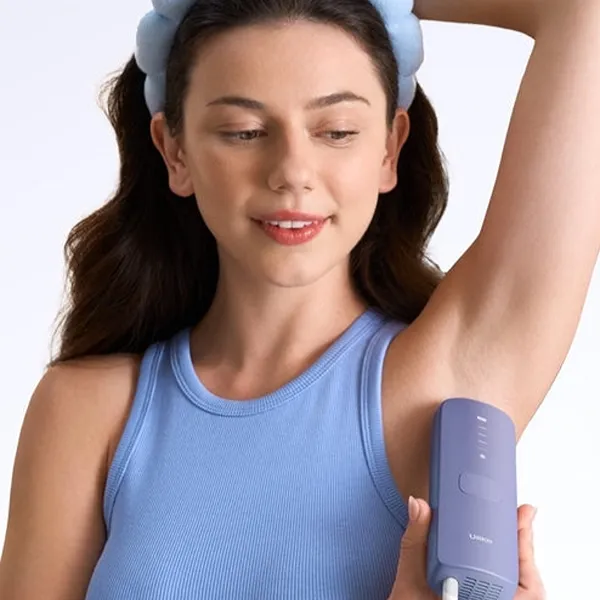
Hair laser treatment is usually tolerable, but it is not completely sensation-free. Most people describe it as heat, a quick snap, or a sharp pinch that passes almost immediately.
The feeling changes by area, hair density, settings, and the cooling used by the device. A small upper-lip session may feel intense but be over quickly; full legs may feel milder per pulse but take longer to sit through.
Mild warmth on lower settings
On lower settings or less dense areas, the sensation may feel more like warmth than pain. Cooling tips or chilled air can make a noticeable difference, especially for beginners who are nervous about the first appointment.
Quick snapping during each pulse
A rubber-band snap is the classic laser feeling. It tends to be sharper where the hair is dark and coarse, so early sessions may feel stronger than later ones once the regrowth becomes finer.
For larger areas, pacing matters. Short pauses, good cooling, and clear communication often make the difference between "uncomfortable but fine" and "too much to finish comfortably."
Greater sensitivity in delicate areas
The upper lip, bikini line, and some facial zones usually feel more sensitive than arms or lower legs. That does not automatically mean they are unsafe; it means settings, cooling, and expectations should be handled more carefully.
If you know your skin reacts easily, avoid arriving with sunburn, fresh tanning, or irritation from harsh skincare. It is better to reschedule than to treat skin that is already angry.
Temporary warmth after treatment
Pinkness, warmth, and tiny raised bumps around follicles can happen after treatment and often settle within hours. Loose clothing, gentle moisturizer, and cool compresses can help if the area feels tender.
Skip hot showers, heavy workouts, strong exfoliants, and fragranced products until the skin feels calm. If warmth, swelling, blistering, or color changes seem unusual, contact the provider rather than trying to treat it aggressively at home.
How professional hair laser compares with Ulike IPL
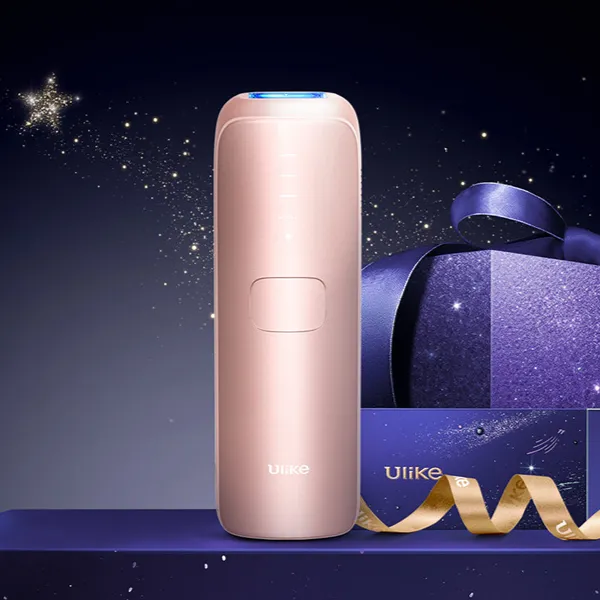
Professional hair laser and Ulike IPL both use light to reduce hair growth, but they are not the same thing. Clinic laser is usually more targeted and stronger, while Ulike IPL is designed for repeated home use with lower energy.
Laser vs IPL light technology
Professional laser uses a focused wavelength to target the follicle more directly. IPL uses broader pulses of light, which makes it less targeted and generally lower powered for home safety.
That does not make IPL useless. It means the expectation should be different: clinic laser is often chosen for stronger reduction, while Ulike IPL is more about steady use over time when the skin and hair combination is suitable.
Clinic vs at-home treatment
Clinic treatment gives you professional assessment, protective procedures, and settings chosen by a trained provider. That matters more if you have darker skin, a reactive skin history, facial hair concerns, or previous irritation from light-based treatments.
At home, the responsibility shifts to you. You need to follow the device schedule, stay within the recommended use range, and avoid treating skin that is tanned, irritated, or outside the device guidance.
Higher session cost vs device cost
Clinic laser usually costs more because you pay by area, session, or package. A home IPL device is often a single purchase, but it only becomes good value if you use it consistently and it suits your hair and skin.
For someone treating several small areas privately over months, a device may feel practical. For someone with dense back hair who wants a stronger result and help reaching the area, clinic treatment may still make more sense despite the higher price.
When Ulike IPL may be the better choice
Ulike IPL may be the better choice when convenience, privacy, and steady home use matter more than getting the strongest possible treatment. It is not the best answer for everyone, but it can be a sensible option if your hair and skin match the device guidance.
When home treatment feels more convenient
Home IPL can fit better around work, childcare, travel, or an unpredictable schedule. Instead of booking, commuting, and waiting, you can treat suitable areas when you have time.
The trade-off is discipline. If the device stays in a drawer after two uses, the convenience does not help much.
When privacy is a priority
Privacy can be a real deciding factor for bikini, facial, chest, or stomach areas. Some people are simply more consistent when they can treat those zones at home without appointments or repeated exposure in a clinic setting.
When regular clinic visits are impractical
Distance, shift work, limited local clinics, or caregiving responsibilities can make a clinic plan difficult. Since light-based hair reduction depends on repeated timing, missed appointments can weaken the real-world benefit.
In that situation, Ulike IPL may be more workable, especially for smaller areas you can comfortably reach yourself. For large or hard-to-reach zones, you may still need help or a clinic plan.
When skin and hair are IPL-compatible
Compatibility should come before price or reviews. IPL generally needs enough contrast between hair and skin to target the pigment safely and effectively, and each device has its own use guidance.
- Likely better fit: darker visible hair within the device's approved skin-tone range.
- Likely poor fit: white, gray, very light blond, or red hair.
- Needs caution: darker skin tones, recent tanning, irritation, or active skin issues.
When gradual reduction meets your goal
Ulike IPL is easier to appreciate when your goal is "I want to shave less often" rather than "I want the fastest dramatic reduction possible." For mild to moderate maintenance, gradual progress may be enough.
If you want a major reduction in thick, stubborn hair before a fixed date, clinic laser is usually the more realistic comparison point. If you are thinking long-term and prefer privacy at home, IPL may fit your habits better.
Conclusion
The smartest choice starts with suitability, not marketing claims: check your hair color, skin tone, treatment area, budget, and ability to stay consistent. Professional hair laser is usually the stronger and more supervised route, while Ulike IPL can be the more realistic option when privacy and home routine matter most. Choose the method you can use safely and consistently, because that is what makes the biggest difference over time.
FAQS
Can you shave between hair laser sessions?
Yes. Shaving is usually the preferred method because it leaves the follicle in place; waxing, plucking, and threading can remove the target the laser needs.
Why does hair grow back after laser treatment?
Some follicles were not in the right growth phase during treatment, and some can recover over time. Regrowth is often finer or less dense, but maintenance may still be needed.
Can hair laser make facial growth worse?
Rarely, it can happen, especially with certain fine facial hairs or hormonal patterns. Ask about this risk before treating peach fuzz or borderline facial areas.
How long should you avoid sunlight after treatment?
Follow your provider's timing, but treated skin should generally be protected from direct sun while it is still reactive. Do not treat freshly tanned or sunburned skin.
Can you switch from clinic laser to Ulike IPL?
Often, yes, especially for maintenance. Let the skin settle after your last clinic session and follow the Ulike instructions rather than layering treatments too close together.
Popular Articles