What Causes Facial Hair in Women and How Can It Be Removed?
A few chin or upper lip hairs can be normal, but beard hair in women is worth paying attention to when it becomes coarse, spreads, or changes suddenly. The first thing to check is the pattern: stable hair over years often points to genetics, while fast new growth with acne, irregular periods, scalp thinning, or weight changes deserves a medical conversation.

What causes beard hair in women?
Female facial hair usually comes down to three things: inherited hair patterns, androgen activity, or a change in how sensitive the follicles are to hormones. The medical term for coarse, darker hair in areas such as the chin, jawline, upper lip, chest, or lower abdomen is hirsutism, but a few isolated hairs do not always mean there is a medical problem.
Genetics and natural hair patterns
Family background is one of the most common explanations. If close relatives have visible chin, upper lip, or jawline hair, you may simply have follicles that respond more strongly to normal hormone levels. Hair color, density, and texture are all partly inherited, so darker or coarser facial hair can run in families without meaning anything is wrong.
Ethnic background can also affect what is normal. Women from South Asian, Middle Eastern, Mediterranean, and some Latin backgrounds may naturally notice more facial hair. The practical question is not whether the hair exists, but whether it is new, worsening, or showing up with other body changes.
Higher androgen activity
Androgens are often called "male hormones," but women produce them too. When androgen levels rise, or when follicles are extra sensitive to them, facial hair can become darker, thicker, and more persistent.
PCOS
PCOS can cause beard-like growth because it is often linked with higher androgen activity or greater follicle sensitivity. The hair may appear on the chin, jawline, upper lip, sideburn area, chest, or lower stomach, and it may come with irregular periods, acne, fertility concerns, weight changes, or insulin resistance.
If PCOS is involved, removing the visible hair is only one part of the plan. Shaving, waxing, IPL, laser, or electrolysis can manage the hair you see, but they do not treat the hormone pattern behind new growth. A doctor may discuss blood tests, cycle history, metabolic markers, or treatment options that help slow future regrowth.
Menopause and other hormone changes
Perimenopause and menopause can make chin and upper lip hairs more noticeable because estrogen falls and androgens can have a stronger relative effect. This is why some women see coarser facial hair at the same time their scalp hair feels thinner.
Other life stages can also shift hair patterns, including puberty, pregnancy, and postpartum recovery. If the change starts during a clear life transition and then settles, it may be a normal hormone fluctuation. If it keeps accelerating, treat it as a reason to ask questions rather than just a grooming issue.
Certain medications and endocrine conditions
Some medications can trigger or worsen facial hair, including testosterone-containing treatments, anabolic steroids, some corticosteroid use, danazol, and other drugs that affect hormone pathways. If the timing lines up with a new prescription or dose change, do not stop the medication on your own, but do mention the hair growth to the prescribing clinician.
Less common endocrine causes can include adrenal disorders, thyroid issues, Cushing syndrome, or, rarely, androgen-secreting tumors. The red flags are rapid worsening, voice deepening, major acne, new scalp hair loss, unexplained weight changes, muscle changes, or irregular periods that are new for you.
How can women remove beard hair?
The best removal method depends on whether you need a quick fix, longer smoothness, gradual reduction, or permanent removal. For one stray hair before leaving the house, shaving or tweezing may be enough. For weekly coarse regrowth on the chin, it may be worth comparing IPL, laser, and electrolysis instead of fighting the same hair every day.
| Goal | Better options to consider | Watch out for |
|---|---|---|
| Immediate smoothness | Shaving, dermaplaning | Short-lived result; possible irritation if the skin is inflamed |
| Smoother skin for longer | Threading, waxing | Redness, ingrown hairs, and needing visible regrowth first |
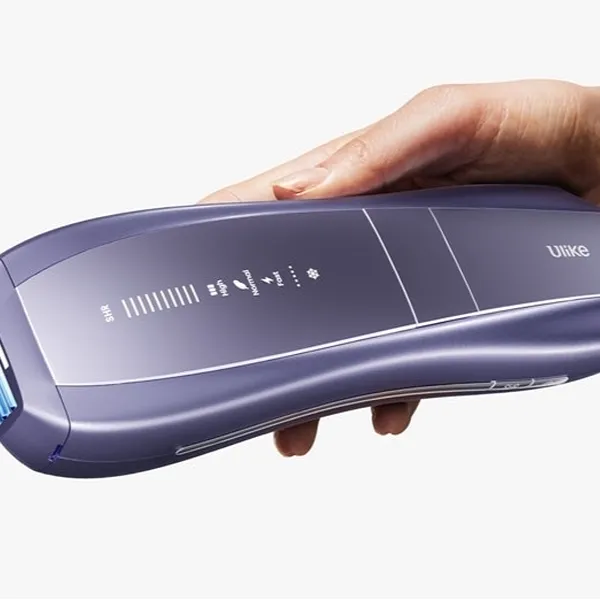
| Gradual reduction at home | Ulike IPL, if hair and skin tone are suitable | Not ideal for very light hair or incompatible skin tones |
| Professional long-term reduction | Laser | Multiple sessions; hormones can activate new hairs later |
| Permanent removal of individual hairs | Electrolysis | Time commitment, especially over larger areas |
When is Ulike IPL a good option for facial hair?
Ulike IPL is worth considering when the hair is dark, the skin tone falls within the device guidance, and the goal is to reduce regrowth over time. It is less suitable when you need permanent removal, have mostly light hairs, recently tanned skin, active irritation, or any medical reason to avoid light-based devices.
Dark hair with enough pigment
IPL needs contrast and pigment. Brown or black facial hair gives the light a clearer target, especially when the hair is coarse and returns in the same area. Very light, gray, white, and red hairs usually respond poorly, so electrolysis is often the more sensible long-term option for those hairs.
Skin tones compatible with the device
Skin tone compatibility matters because IPL interacts with melanin in the skin as well as the hair. If there is not enough contrast between skin and hair, treatment may be less effective and may raise the chance of irritation or pigment changes.
- Check the device tone chart before treating your face.
- Use built-in skin sensors if the model has them.
- Patch test first and wait to see how the area reacts.
- If you have recently tanned, wait at least 2 weeks before using Ulike IPL. If your skin is sunburned, pause treatment until it has fully recovered and follow Ulike's current safety guidance.
Coarse chin and upper lip regrowth
Coarse chin and upper lip regrowth can be a good match for at-home IPL when the hairs are dark and the skin is compatible. These areas are small enough for careful treatment, and even partial reduction can make daily shaving feel less frustrating.
Hormonal facial hair may still need ongoing upkeep. If new follicles keep becoming active because of PCOS, menopause, or another hormone pattern, IPL may reduce what is currently growing but may not prevent every future hair.
At-home maintenance between sessions
At-home IPL fits best into a simple routine: shave first, treat clean dry skin, use a cautious setting, then keep the area calm afterward with gentle moisturizer and sun protection. Avoid waxing, threading, or plucking while preparing for Ulike IPL, because these methods remove the hair from the root. If you have been removing facial hair from the root, let it regrow first, then shave before resuming IPL according to the device instructions.
Conclusion
The smartest first step is to judge the change before choosing the tool: stable, familiar facial hair can often be managed cosmetically, while sudden or worsening growth with other symptoms deserves medical advice. For removal, quick methods help today, IPL and laser can reduce suitable dark hair over time, and electrolysis is the stronger choice when permanence or light-colored hairs matter most.
FAQS
Can PCOS cause beard growth in women?
Yes. PCOS can increase androgen activity, which may cause coarse hair on the chin, jawline, upper lip, chest, or lower abdomen. Hair removal can manage the visible growth, but PCOS-related regrowth may continue unless the underlying hormone pattern is also addressed.
Can menopause cause coarse facial hair?
Yes. During perimenopause and menopause, lower estrogen can make androgen effects more noticeable, including coarse chin or upper lip hairs. If the change is gradual, it may fit the life stage; if it is sudden or severe, it is worth checking.
Is laser or electrolysis better for female facial hair?
Laser is usually better for reducing larger patches of dark, coarse hair faster. Electrolysis is better when you want permanent removal of individual hairs or need to treat light, gray, white, or red hairs that light-based methods often miss.


Popular Articles