How Can You Remove Unwanted Hair Safely?
The best unwanted hair removal method is the one that fits your hair color, skin sensitivity, body area, and how long you want the result to last. Shaving is still the fastest quick fix, waxing and sugaring last longer, Ulike IPL can reduce regrowth at home, laser is stronger in a clinic setting, and electrolysis is the best match when permanent removal matters most.

What is the best way to remove unwanted hair?
Start with the result you actually want. If you need smooth skin tonight, choose a temporary method. If you are tired of shaving every few days, look at IPL or laser. If the goal is permanent removal of a few stubborn hairs, electrolysis is usually the better direction.
| Method | Best for | Main limitation |
|---|---|---|
| Shaving | Fast, low-cost removal before work, a trip, or an event | Regrowth appears quickly and can cause bumps |
| Waxing or sugaring | Smoother skin for a few weeks | Can be painful and may irritate reactive skin |
| Ulike IPL | At-home reduction when hair and skin are compatible | Needs regular use and does not work well on all hair colors |
| Professional laser | Stronger long-term reduction with expert settings | Higher cost and usually several appointments |
| Electrolysis | Permanent removal, especially small areas or light hair | Slow because follicles are treated one by one |
Shaving for quick low-cost removal
Shaving is the easiest choice when you need visible hair gone right away. It works well for legs and underarms, costs very little upfront, and does not require hair to grow out first.
The trade-off is short-lived smoothness. Because shaving cuts hair at the surface, stubble can return within days, and dull blades or dry shaving can trigger razor burn, small cuts, and ingrown hairs. Use a clean sharp razor, shave with a gentle gel or cream, and moisturize afterward if your skin tends to feel tight.
Waxing or sugaring for longer-lasting smoothness
Waxing and sugaring remove hair from the root, so they are better for someone who wants a longer break from maintenance. They are often useful before a vacation, during summer, or anytime you would rather deal with one uncomfortable session than shave repeatedly.
- Choose waxing if you want a widely available salon or at-home option.
- Consider sugaring if you prefer a paste-based method that some people find gentler.
- Be cautious on the face if you use retinoids, acids, acne treatments, or have very reactive skin.
Redness and tenderness are common after either method. If your skin is already irritated, recently sunburned, or prone to ingrown hairs, delaying the session is usually smarter than pushing through.
Ulike IPL for at-home hair reduction
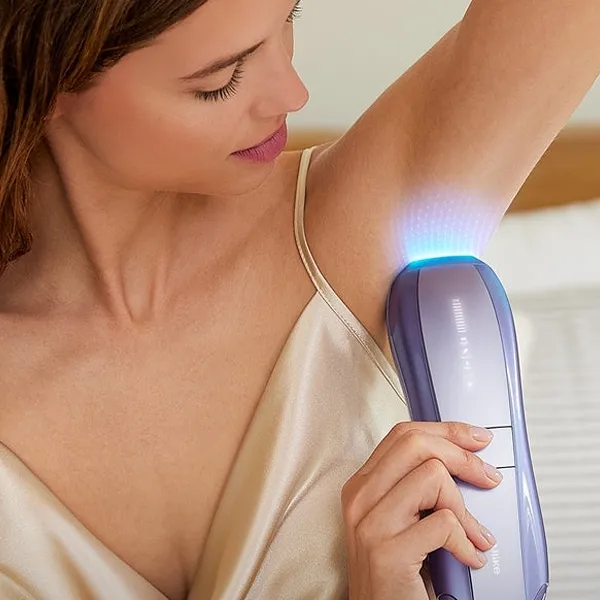
Ulike IPL fits the middle ground between temporary removal and clinic treatments. It uses intense pulsed light to target pigment in the hair follicle, which can gradually reduce how quickly and thickly hair grows back when used consistently.
This option makes the most sense for people who want privacy, convenience, and lower long-term maintenance at home. For example, someone shaving their underarms every few days may prefer regular IPL sessions if their hair is dark enough and their skin tone is within the device's recommended range.
Professional laser for stronger long-term reduction
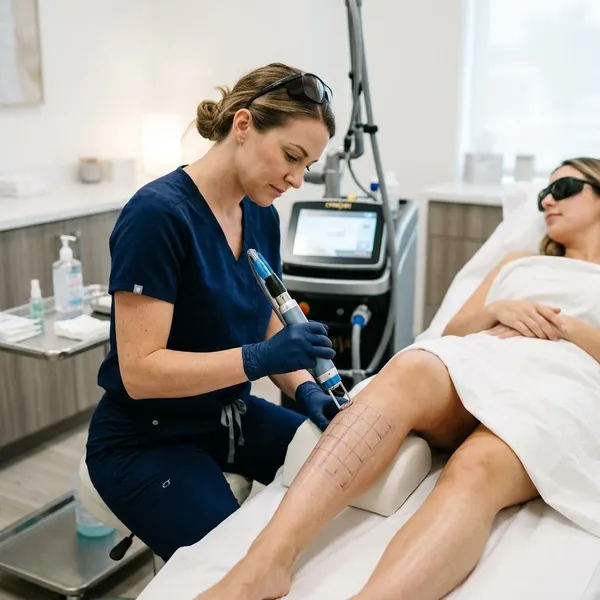
Professional laser is usually the stronger option when you want more noticeable long-term reduction and prefer a trained provider to assess your skin and hair. Clinic devices can be more powerful than home IPL devices, and settings can be adjusted for the treatment area.
It is often worth considering for larger or repeatedly irritated areas, such as legs, underarms, back, or bikini line. The downside is cost and scheduling, and some maintenance may still be needed later.
Electrolysis for permanent hair removal
Electrolysis is the best-known option for permanent hair removal because it treats individual follicles with a fine probe and electrical current. It can work on hair colors that IPL and laser often struggle with, including gray, white, red, and very light blond hair.
Because each follicle is treated separately, electrolysis is usually more practical for small precise areas than full legs or arms. Chin hairs, upper lip hair, eyebrow shaping, or a few hairs left after laser are better examples of where it can be worth the time.
When is Ulike IPL a good option for unwanted hair?
Ulike IPL is a good option when you want gradual hair reduction at home, not instant permanent removal. It suits people who can follow a routine, have suitable hair and skin contrast, and are comfortable checking safety instructions before treating a larger area.
Think of it as a long-term maintenance choice. If you only need smooth skin once for a weekend, shaving or waxing is simpler. If you want to reduce repeated shaving over months, IPL becomes more relevant.
Hair is dark enough for IPL to target
IPL depends on pigment. Dark brown or black hair usually gives the device a clearer target, while gray, white, red, and very light blond hair tend to respond poorly because there is less pigment for the light to absorb.
Skin and hair colors are compatible with IPL
Compatibility is about safety as much as results. IPL works best when the device can target the hair more than the surrounding skin, so you should compare your skin tone and hair color with the manufacturer's chart before treating.
- Do not guess if your skin tone is close to the edge of the recommended range.
- Avoid treating tanned or irritated skin unless the device instructions clearly allow it.
- Patch test first so you can watch for unusual redness, heat, swelling, or discomfort.
You want longer-term reduction at home
Ulike IPL is useful if your real goal is spending less time on hair removal, not getting a perfect result after one session. The benefit builds gradually, so it suits year-round maintenance better than a last-minute event.
It can be especially appealing for larger areas such as legs or arms, where repeated salon visits feel inconvenient. If you value privacy and control over appointment timing, home IPL may fit your routine better than clinic-based treatments.
Regular treatments fit your routine
Consistency matters because hair grows in cycles, and not every follicle responds at the same time. If you often abandon routines after a week or two, a home device may end up unused even if the technology is suitable.
How to choose the right unwanted hair removal method
Choose in this order: desired result length first, then skin sensitivity, pain tolerance, budget, and whether you prefer home or professional treatment. That order prevents the common problem of buying a method that is affordable or popular but wrong for your actual situation.
A mixed routine is normal. You might shave your legs when you are in a hurry, use IPL on underarms for longer-term reduction, and choose electrolysis for a few chin hairs. The best routine is often practical, not perfectly matched to one method everywhere.
Choose by how long you want results to last
For a few days of smoothness, shaving is enough. For a few weeks, waxing or sugaring is more suitable. For gradual reduction over time, consider Ulike IPL or professional laser if your hair and skin are compatible. For permanent removal, electrolysis is the option to discuss with a trained provider.
This matters most for temporary versus long-term goals. If you are preparing for one beach weekend, do not overcomplicate it. If you are shaving the same area all year and getting bumps every time, longer-term reduction may be more worthwhile.
Choose by your skin sensitivity
Sensitive skin needs a cautious method, not necessarily the mildest-sounding one. Depilatory creams can sting, waxing can pull at delicate skin, shaving can cause razor burn, and light-based devices need proper compatibility checks.
Use your body area as the filter. Legs may tolerate shaving or waxing well, while the upper lip, underarms, or bikini line may need slower testing and gentler aftercare. If your skin has eczema, active irritation, broken areas, or frequent allergic reactions, avoid treating first and consider professional advice for safer options.
Choose by your pain tolerance
Shaving is usually the least painful unless technique is poor. Waxing and sugaring are brief but sharp, laser and IPL often feel like warm snaps, and electrolysis can feel more tedious because hairs are treated one by one.
- Low pain tolerance: start with shaving, careful creams, or a small IPL patch test if suitable.
- Moderate tolerance: waxing, sugaring, or IPL may feel manageable.
- High priority on long-term results: laser or electrolysis may be worth the discomfort.
Choose by your budget
Look beyond the first purchase. Razors and creams are cheap at checkout but repeat often. Waxing costs more per session. Ulike IPL has a higher device cost upfront but may reduce ongoing maintenance if you use it regularly. Laser and electrolysis usually cost more, but they may be worthwhile for areas that bother you most.
If budget is tight, choose one priority area instead of trying to treat everything at once. For example, someone bothered mainly by underarm stubble may get more value from focusing there than spending money on a full-body plan.
Choose by at-home or professional preference
At-home methods are better when privacy, convenience, and flexible timing matter. Shaving, creams, home waxing, sugaring, and Ulike IPL let you manage the process without appointments.
Professional treatments are better when you want stronger tools, expert settings, or help with difficult areas. Laser is not automatically the right choice for everyone, but a qualified provider can assess risks more carefully, especially for darker skin tones, facial areas, or a history of pigmentation issues.
How to reduce hair removal side effects
Most side effects become more likely when hair removal is rushed, used on the wrong area, or done on skin that is already stressed. The first checks are simple: is the skin calm, is the tool clean, and is the method suitable for that body area?
Redness, bumps, dryness, and ingrown hairs are common, but they should not be treated as unavoidable. Small habits before and after removal often make the difference between a routine you can repeat and one that leaves your skin angry for days.
Patch test new products or devices
Patch test before using a new cream, wax, sugaring paste, IPL device, or unfamiliar setting. Try a small hidden area first, then wait for the time recommended by the product or device instructions before treating more skin.
Stop if you notice strong redness, swelling, blistering, burning, or discomfort that feels unusual for you. This step is especially important for sensitive skin, allergies, eczema-prone areas, or facial use.
Avoid irritated or broken skin
Do not remove hair over cuts, rashes, sunburn, active irritation, peeling skin, or areas that feel hot and reactive. Hair removal can make a damaged skin barrier sting more and heal more slowly.
This includes skin that has recently been exposed to strong exfoliating acids, retinoids, cosmetic procedures, or heavy sun. Waiting a few days is often less frustrating than creating a bigger irritation problem.
Use the right method for the body area
The safest method often changes by area. Legs can usually handle more options; the face, bikini line, and underarms deserve more care because the skin is thinner, more folded, or exposed to friction.
- Legs: shaving, waxing, sugaring, IPL, or laser may all be reasonable depending on your goal.
- Upper lip or chin: avoid harsh waxing if your skincare already makes skin fragile.
- Bikini line: watch for ingrown hairs and avoid overly close shaving if bumps are common.
- Underarms: let irritation settle before applying deodorant or using another treatment.
Keep tools clean
Clean tools lower the chance of irritation and follicle problems. Replace dull razors, do not share blades, wipe device treatment windows as instructed, and store accessories somewhere dry and clean.
Follow gentle aftercare
After hair removal, keep the area calm. Use a simple fragrance-free moisturizer if your skin feels dry, and avoid heat, heavy friction, strong exfoliants, and tight clothing until the skin feels normal again.
If ingrown hairs are a pattern, do not scrub immediately after treatment. Let the skin settle first, then use gentle exfoliation later if your skin tolerates it. Treating aftercare as part of the method, not an optional extra, usually gives better results.
Conclusion
The smartest choice is not always the strongest or most expensive method; it is the one that matches your skin, hair, budget, and patience. Use shaving for quick fixes, waxing or sugaring when you want a longer smooth window, Ulike IPL or laser when reducing regrowth is the goal, and electrolysis when permanence matters more than speed.
FAQS
What is the best method for unwanted hair removal?
For most people, the best method is the one that matches the body area and result length they want. Shaving is best for speed, IPL or laser is better for reducing repeat maintenance, and electrolysis is the strongest choice for permanent removal.
Is IPL or laser better for unwanted hair?
Laser is usually better for stronger professional reduction, while IPL is better if you want at-home convenience and are willing to stay consistent. Both depend heavily on hair color, skin tone, and correct use.
Which hair removal method is best for sensitive skin?
There is no single best method for all sensitive skin. Start with a patch test, avoid already irritated areas, and choose by body area; many people do better when they stop using one harsh method everywhere.

Popular Articles




