How Can You Shave Your Underarms Without Razor Burn?
If you are figuring out how to shave your underarms without razor burn, the first thing to check is hair direction, not how hard you press. Underarm hair often grows in several directions, so start gently with the grain, use enough slip, and only do extra passes where you actually need them. If the skin is already sore, shaving less closely is usually the better choice.
Which direction should you shave your armpits?
Start with the direction your hair naturally grows, then use a careful cross-grain pass for any patches that still feel rough. Shaving straight against the grain may feel smoother at first, but it is also more likely to cause burning, bumps, or tiny cuts, especially if your skin reacts easily.
Check which way your underarm hair grows
Underarm hair does not always grow neatly up or down. It may grow sideways, diagonally, or in a small swirl. Before shaving, lift your arm and look in a mirror, or run your fingers lightly over the hair to feel which direction lies flatter.
- Hair feels smooth one way: that is usually the growth direction.
- Hair feels prickly the other way: that is against the grain.
- Different patches feel different: shave in sections instead of using one big stroke.
Start by shaving with the direction of growth
Make the first pass with the grain, using short strokes and very little pressure. This removes most of the hair while keeping friction lower, which matters more than getting perfectly smooth skin in one swipe.
If you often get razor burn, treat this first pass as the main shave, not the warm-up. A slightly less close shave is usually better than red, sore underarms for the rest of the day.
Shave across the growth direction for missed hairs
For the small rough patches left behind, shave across the grain rather than immediately going against it. Reapply shaving gel first if the skin feels dry, then use short sideways strokes only where needed.
How to shave sensitive underarms
Sensitive underarms need less heat, less fragrance, and fewer blade passes. The main mistake is trying to force a close shave when the skin is already irritated from sweat, deodorant, tight clothing, or a recent shave.
If your underarms are calm, you can shave gently with a sharp razor and a cushioning product. If they are red, itchy, or tender, wait. That one-day break often prevents a small irritation from turning into several days of bumps and burning.
Choose fragrance-free shaving products
Freshly shaved underarms are more likely to react to perfume, strong botanicals, and heavily scented foams. A fragrance-free shaving cream or gel made for sensitive skin is usually the safer choice because it gives the razor slip without adding unnecessary irritants.
If a new product burns as soon as it touches your skin, rinse it off and switch back to something simpler. For reactive skin, boring products often work better than fancy ones.
Use lukewarm rather than very hot water
A warm shower is enough to soften underarm hair. Very hot water can leave the skin drier and more reactive, which makes shaving and deodorant sting more afterward.
Shave less often when the skin is irritated
If your underarms are already sore, shaving again usually makes the problem last longer. Wait until redness, tenderness, or raised bumps have calmed before putting a blade over the area again.
This matters most for daily shavers. Someone who shaves once a week may only need better technique, while someone shaving every morning may need a less frequent routine or a longer-lasting hair removal option.
Avoid shaving over cuts, bumps, or broken skin
Skip the razor anywhere the skin is open, bleeding, scabbed, or covered in painful bumps. Shaving over broken skin can make irritation worse and may raise the risk of infection.
If you see one inflamed ingrown hair, shave around it rather than over it. Keep the area clean, avoid picking, and wait until the bump has settled before shaving that spot again.
What should you do after shaving your underarms?
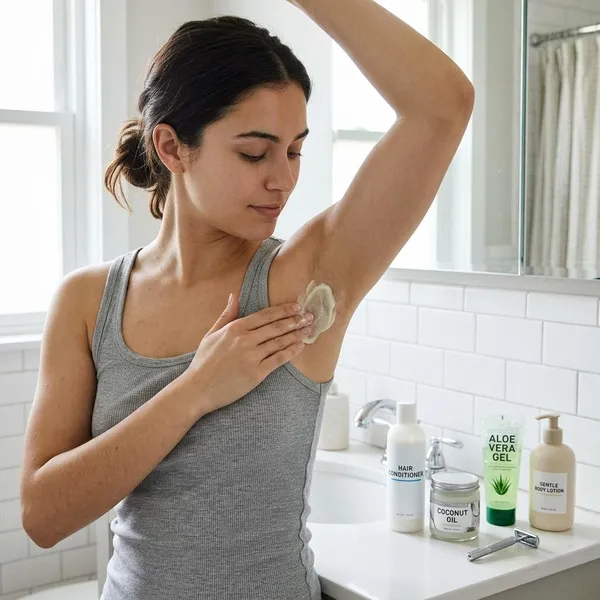
After shaving, focus on calming the skin instead of adding more products. Rinse well, dry gently, moisturize if your skin tolerates it, and avoid friction or irritating deodorant until the area feels settled.
Rinse away any shaving residue
Rinse until there is no shaving gel, loose hair, or slippery film left in the folds of the underarm. Leftover product can mix with sweat or deodorant later and make the area itch.
Pat the skin dry instead of rubbing
Use a clean towel and press it gently against the skin. Dragging the towel back and forth adds friction right after the razor has already exfoliated the area.
Apply a gentle fragrance-free moisturizer
A thin layer of fragrance-free moisturizer can reduce tightness and help the skin feel calmer after shaving. Use a product your skin already tolerates, not a strong acid, perfumed body butter, or active treatment you have never tried before.
If you are prone to clogged pores or sticky underarms, apply less than you would on your legs. The goal is a light comfort layer, not a heavy coating.
Avoid unnecessary friction after shaving
Freshly shaved skin does better with soft, loose clothing for a few hours. Tight sleeves, rough fabrics, backpack straps, and sweaty workouts can all make small razor irritation feel much worse.
- Shaving before bed: often works well because the skin gets quiet recovery time.
- Shaving before exercise: can be uncomfortable if sweat usually makes your underarms burn.
- Shaving before an event: leave some time before getting dressed so the skin can settle.
Wait until the skin settles before using irritating deodorants
If your deodorant burns after shaving, wait a few hours or use a gentler formula. Alcohol-heavy, strongly scented, or very active deodorants can sting on freshly shaved skin even if they feel fine on other days.
For summer or sweaty days, you may not want to skip deodorant completely. In that case, shaving the night before is often more comfortable than shaving right before applying it.
What if you want to shave your underarms less often?
If shaving keeps causing irritation or feels like too much upkeep, consider a method that keeps hair away longer or gradually reduces regrowth. The right choice depends on whether you want a temporary break from shaving, lower-maintenance regrowth, or a more long-term reduction.

Think about your main problem first. If you only dislike shaving before vacations, waxing may be enough. If razor burn happens every week, IPL or professional laser may be worth comparing because they can reduce how often a blade touches your skin.
Waxing can keep hair away longer than shaving
Waxing removes hair from the root, so the underarm usually stays smoother longer than it would after shaving. It can be useful for short-term gaps, such as travel, events, or weeks when you do not want to shave often.
The trade-off is discomfort and possible irritation. Waxing also needs some regrowth before the next session, so it is not ideal if you want the area completely smooth at all times.
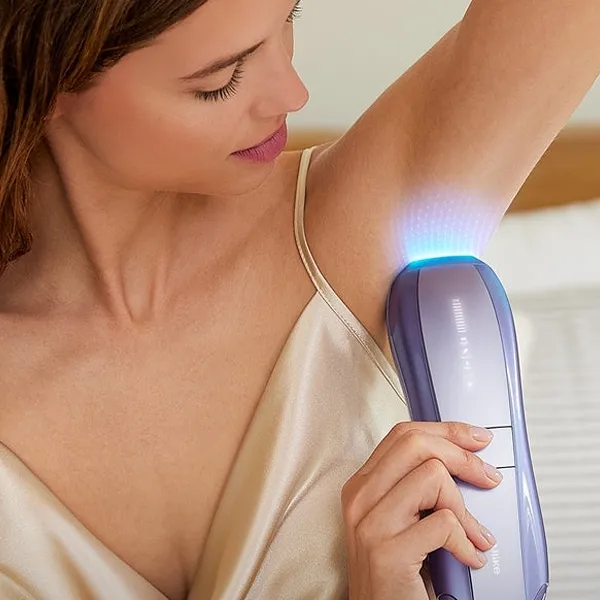
Ulike IPL can gradually reduce underarm regrowth
Ulike IPL may help reduce underarm regrowth over time for suitable skin tones and hair colors. It is not an instant hair removal method, so you still need to follow the device schedule and shave as instructed between sessions.
This option makes the most sense if your goal is lower maintenance rather than one perfectly smooth day. Always follow the product safety guidance, especially around skin tone suitability, recent tanning, irritation, and any condition that could make light-based treatment unsafe for you.
Professional laser can provide long-term hair reduction
Professional laser treatment can offer longer-term underarm hair reduction after a series of sessions. It is usually more expensive than shaving, waxing, or at-home IPL, but it may be the better fit if frequent shaving causes ongoing bumps or irritation.
A consultation matters because results and suitability depend on factors such as hair color, skin tone, medical history, and the type of laser used. If your skin is easily irritated, ask how to prepare and what aftercare is needed before booking treatment.
Conclusion
The smoothest underarm shave is not the one with the most pressure or the most passes; it is the one your skin can tolerate. Check the growth direction first, shave gently, stop when the skin starts to feel irritated, and give aftercare the same attention as the razor work. If shaving keeps leaving your underarms sore, reducing how often you shave may be more useful than trying to perfect the same routine.
FAQS
Should you shave your armpits up or down?
Usually, start in the direction the hair grows, then go sideways for missed spots if your skin feels fine. Underarm hair often grows in mixed directions, so "up or down" is less useful than checking the actual pattern.
Can you use soap instead of shaving cream?
Soap can work once in a pinch, but it often gives less cushion than shaving cream or gel. If your underarms are sensitive, a fragrance-free shave product is the better everyday choice.
Why do my armpits sting after shaving?
Stinging usually comes from friction, tiny nicks, a dull blade, hot water, or deodorant applied too soon. If the burning happens often, change one thing at a time so you can spot the real trigger.


Popular Articles




