Does Armpit Hair Cause Odor and Make Underarm Smell Worse?
Armpit hair does not create body odor on its own. The smell usually starts when sweat sits on the skin and bacteria break it down, but hair can make that sweat, residue, and odor hang around longer. If your underarms smell stronger when they are hairier, the practical answer is to improve cleaning, drying, product use, and grooming together rather than blaming the hair alone.
Does armpit hair cause odor
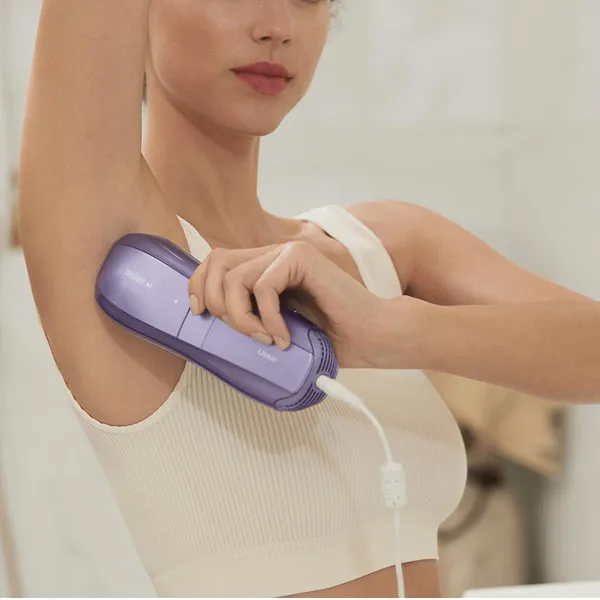
No. Armpit hair is not the source of the smell, but it can change how easily odor builds up during the day. Think of hair as something that can hold moisture and product residue, not something that produces odor by itself.
The first thing to check is not whether you have hair, but whether your underarms stay damp, whether deodorant is reaching the skin, and whether old product is being washed away properly. Those details usually matter more than being fully shaved.
Hair itself does not create odor
Hair is just a surface. Clean, dry underarm hair does not smell by itself, and fresh sweat is often not very smelly either.
Odor becomes more noticeable when sweat, skin oil, dead skin, and deodorant residue sit on the hair and skin for hours. Someone with underarm hair can smell fresh with a good routine, while someone who shaves can still have odor if sweat and bacteria build up quickly.
Sweat and bacteria create the smell
The smell comes from bacteria breaking down sweat on the skin. Underarms are especially prone to this because they are warm, often covered by clothing, and have sweat glands that produce odor-prone sweat.
- More sweat gives bacteria more moisture to work with.
- More residue gives odor something to cling to.
- Less airflow keeps the area warm and damp longer.
Hair may hold sweat and odor longer
Thicker armpit hair can trap sweat close to the skin and make it harder for the area to dry quickly. It can also catch deodorant, soap residue, and oils, which may make odor linger after a long day.
This is most noticeable in high-sweat situations: a summer commute, a workout, a fitted synthetic shirt, or a stressful day with little airflow. In those cases, trimming or removing hair may make the area easier to wash and dry, but it still will not stop sweat or bacteria from existing.
What causes underarm odor
Underarm odor usually comes from several things working together: apocrine sweat, skin bacteria, warmth, moisture, hormones, and stress sweating. Hair can make the environment more odor-friendly, but the main trigger is still sweat being broken down by bacteria.
If odor suddenly becomes stronger, the useful question is: did sweating increase, did clothing trap more heat, did your product stop working, or did your body chemistry change? That gives you a better starting point than simply shaving more often.
Apocrine sweat
Apocrine glands are found in areas such as the underarms and become more active after puberty. Their sweat contains more material for bacteria to break down, which is why underarm odor can be sharper than sweat from places like your arms or legs.
Skin bacteria
Bacteria naturally live on the skin, including clean skin. Odor appears when those bacteria break down sweat and release smelly compounds.
A quick rinse may not be enough if old deodorant, sweat, and oil are still sitting in the underarm folds. If odor returns soon after showering, try washing the area more deliberately and making sure product residue is fully removed before applying a fresh layer.
Heat and moisture
Warm, damp underarms are the easiest place for odor to build. Tight tops, heavy fabrics, humid weather, and long periods without changing clothes can all make smell stronger.
A common example is feeling fine after a morning shower but noticing odor after a hot train ride or a gym session. That does not always mean your deodorant failed; it may mean the area stayed wet long enough for bacteria to become active again.
Hormonal changes
Hormones can change how much you sweat and how your sweat smells. Puberty, menstrual cycle changes, pregnancy, menopause, and some health conditions can all affect body odor patterns.
Stress and excess sweating
Stress sweating can smell stronger because it is often linked with apocrine sweat. A person may stay fresh on a relaxed day but notice odor quickly during presentations, travel, interviews, or social pressure.
Does removing armpit hair reduce odor
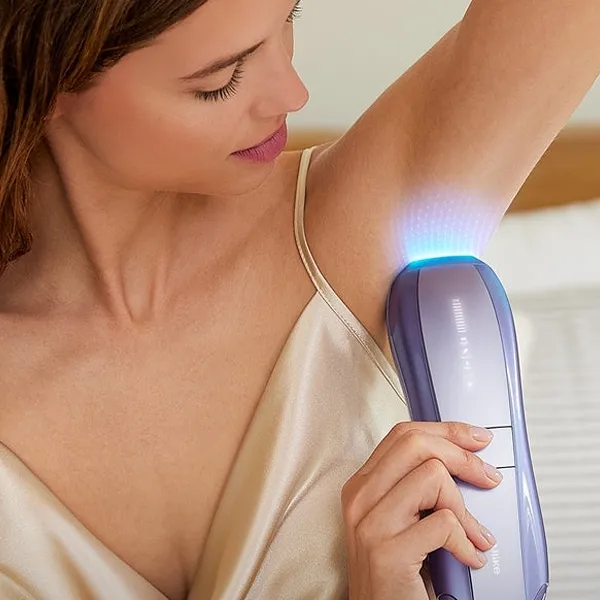
Removing armpit hair may reduce odor for some people because it can make the area easier to clean, dry, and treat with deodorant or antiperspirant. It is not a guaranteed odor fix, and it does not change the basic causes of sweat and bacteria.
The best choice depends on your skin and routine. If you only get mild odor in hot weather, trimming may be enough. If you sweat heavily year-round or get product buildup in dense hair, more consistent hair removal may feel more useful.
Ulike IPL reduces hair over time
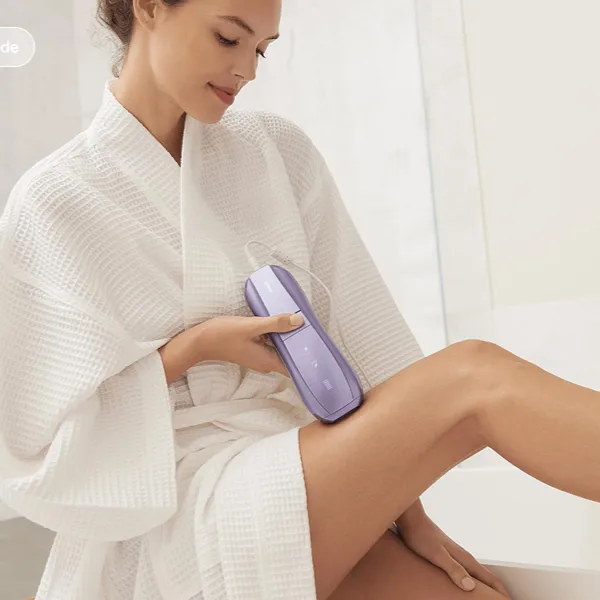
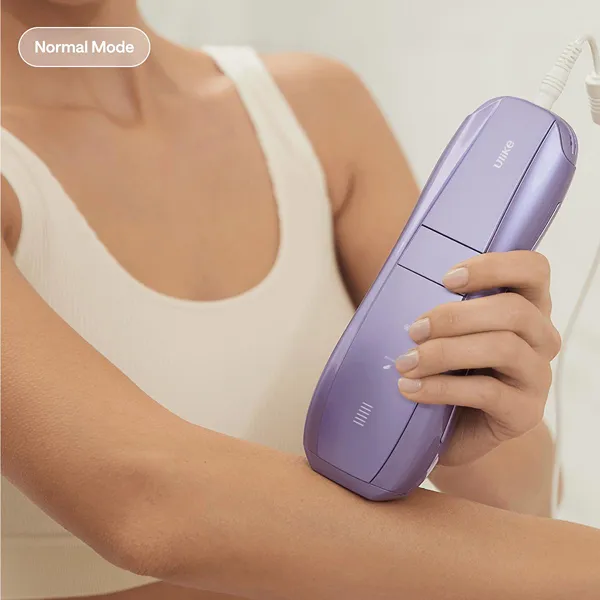
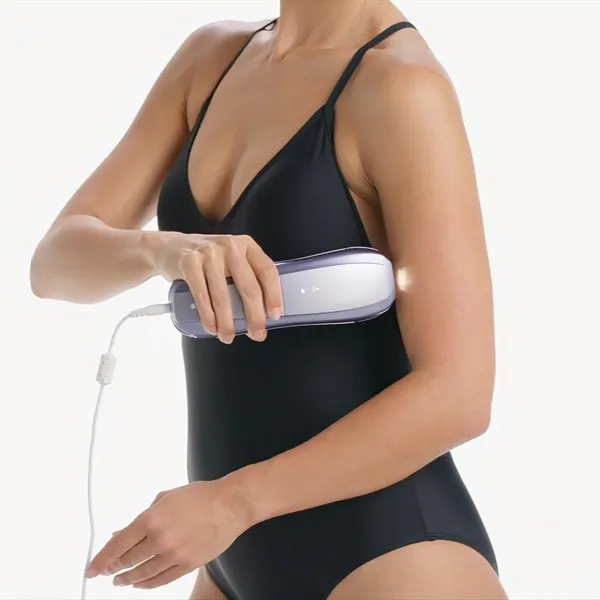
Ulike IPL is designed to reduce underarm hair gradually with repeated use. Less hair may mean less surface for sweat and residue to cling to, which can make daily underarm care feel simpler.
It should be treated as a hair-reduction tool, not an odor treatment. Results can vary by hair type, skin tone compatibility, and consistency of use, so it is better to expect gradual maintenance support rather than an instant change in smell.
Hair removal does not replace hygiene
Even completely smooth underarms can smell if sweat and bacteria build up. Hair removal helps most when it supports the basics: clean skin, dry skin, and the right odor or sweat product.
- Choose trimming if shaving causes irritation but dense hair holds sweat.
- Choose shaving if you want fast smoothness and your skin tolerates razors well.
- Consider IPL if frequent shaving leads to bumps, nicks, or constant regrowth.
- Skip aggressive removal if your skin is inflamed, broken, or reacting badly to products.
Can Ulike IPL help with underarm odor
Ulike IPL can help indirectly if underarm hair is making your routine harder to manage. By reducing hair over time, it may make washing more direct, product application more even, and shaving less frequent.
It is most useful for someone whose odor routine is already decent but who still struggles with hair trapping sweat or product. If the real issue is heavy sweating, stress sweat, or poor product choice, IPL alone will not solve it.
Reduces underarm hair over time
With less underarm hair, there is less material for sweat, oil, and deodorant residue to sit on. That can make the area feel cleaner between washes, especially for people who exercise often or live in hot climates.
Because IPL works gradually, it is not the right option if you need an immediate change before an event or trip. For short-term freshness, washing, drying, deodorant, antiperspirant, and clothing choices matter first.
Makes underarm care easier
Reduced hair can make cleanser reach the skin more easily and help deodorant or antiperspirant sit where it needs to work. This is especially helpful if thick hair tends to catch stick deodorant instead of letting it contact the skin.
Reduces frequent shaving
Frequent shaving can be annoying if it causes bumps, itchiness, or stinging when deodorant is applied afterward. Reducing the need to shave as often may make underarm care feel calmer and more consistent.
For sensitive skin, this matters because irritation can lead people to avoid thorough washing or skip products. A routine that is comfortable is usually easier to keep up with than one that leaves the skin sore.
Does not stop sweat or bacteria
Ulike IPL does not turn off sweat glands and does not permanently remove skin bacteria. You can still sweat, and bacteria can still create odor if moisture stays on the skin.
Use this simple priority order:
- Control moisture first if wetness is the main problem.
- Control odor first if smell appears without much sweating.
- Use hair reduction as support if hair makes cleaning or product application harder.
How to reduce underarm odor
The most reliable odor routine starts with clean, dry skin and the right product for the problem you actually have. Deodorant is mainly for smell; antiperspirant is mainly for sweat. Hair removal can make the routine easier, but it should not be the first or only fix.
Wash and dry thoroughly
Wash the underarm folds carefully with a gentle cleanser, especially if you use long-wear deodorant or antiperspirant. The goal is to remove old product, sweat, and oil rather than just letting water run over the area.
Drying is not optional. Applying product to damp skin can make it spread poorly and leaves moisture behind for bacteria. After workouts, hot commutes, or long outdoor days, a quick wash and fresh shirt can do more than adding another layer of deodorant over stale sweat.
Use deodorant for odor
Choose deodorant when smell is your main concern but wetness is not severe. It can help reduce or cover odor, depending on the formula, but it usually will not stop sweating.
If you have thick underarm hair, make sure the product reaches the skin. A roll-on, gel, or cream may work better for some people than a dry stick that mostly coats the hair.
Use antiperspirant for sweat
Choose antiperspirant when wetness is the trigger. Less surface moisture usually means bacteria have less to break down, so odor may improve too.
Many people use a combined deodorant-antiperspirant because they have both smell and sweat. If regular products are not enough, look for stronger over-the-counter options or ask a clinician, especially if sweating is affecting daily life.
Wear breathable clothing
Clothing can make or break an odor routine. Breathable fabrics and looser fits help the underarms dry faster, while tight synthetic tops can hold sweat against the skin for hours.
- For summer days: choose lighter fabrics and change shirts if sweat soaks in.
- For workouts: wash soon after and do not sit in damp clothes for long.
- For office or school: keep a spare top if stress sweat is predictable.
Conclusion
Armpit hair is rarely the main reason underarms smell, but it can make sweat and residue linger long enough for odor to become more noticeable. Start with washing well, drying fully, and choosing deodorant or antiperspirant based on whether smell or wetness is the bigger issue; then decide whether trimming, shaving, or Ulike IPL would make that routine easier to maintain.
FAQS
Do hairier armpits always smell worse?
No. Hairier armpits may hold sweat longer, but odor still depends more on bacteria, moisture, clothing, and how well the area is cleaned and dried.
Is it more hygienic to remove armpit hair?
Not automatically. Removing hair can make underarm care easier, but hygiene comes from regular washing, complete drying, and using the right product for your sweat or odor level.
Can underarm odor remain after showering?
Yes. It can happen if deodorant residue remains, bacteria are not fully washed away, or sweat returns quickly after showering; persistent or sudden strong odor is worth discussing with a healthcare professional.
Can Ulike IPL replace deodorant?
No. Ulike IPL may reduce underarm hair over time, but it does not stop sweating or remove odor-causing bacteria, so deodorant or antiperspirant may still be needed.


Popular Articles