Is Armpit Hair Unhygienic or Just Normal?
Armpit hair is not unhygienic by itself. If you are asking is armpit hair unhygienic, the better question is whether sweat, skin bacteria, product residue, and damp clothing are being managed well. You can be clean with shaved, trimmed, or natural underarms, but the routine has to match how much you sweat and how easily odor lingers for you.
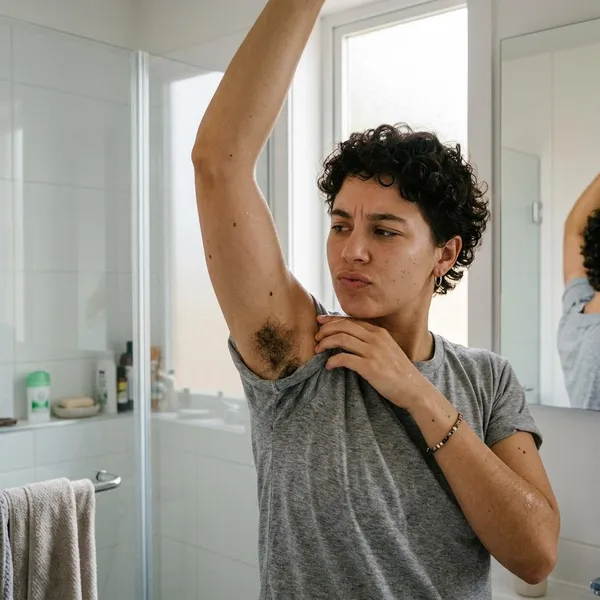
How does underarm odor develop?
Underarm odor starts with conditions on the skin, not with the hair itself. The armpit is warm, often covered by clothing, and easily damp after exercise, stress, hot weather, or a long day out. That makes it a place where sweat can sit long enough for odor to become noticeable.
Sweat creates a warm and moist environment
Sweat gives odor-causing bacteria the damp setting they like. Fresh sweat is usually not the main smell; the issue is what happens when the underarm stays moist under a shirt for hours.
This is why odor often shows up faster during a summer commute, a gym session, or a stressful workday than on a cool, low-activity day. If your armpit hair is thick, the area may also take longer to dry, so wiping or washing after heavy sweating can matter more than whether you shave.
Skin bacteria break down compounds in sweat
Your skin naturally has bacteria on it, including in the underarm area. When those bacteria break down compounds in sweat and skin oils, they create the smell people recognize as body odor.
- Hair is not the source: it does not create odor on its own.
- Old residue matters: sweat, deodorant buildup, and skin oils can give bacteria more to work on.
- Skin contact matters: cleansing needs to reach the skin beneath the hair, not just the hair surface.
Bacterial activity produces noticeable odor
Odor becomes more obvious when sweat, residue, and damp fabric stay in place. If you exercise after work and keep the same shirt on for the evening, shaving will not prevent smell by itself. On the other hand, someone with natural underarm hair who showers after sweating and changes into a clean shirt may have less odor than someone shaved but wearing stale clothing.
Is shaving more hygienic than keeping armpit hair?
Shaving can make underarm care easier, but it is not automatically more hygienic. It can help soap, water, deodorant, or antiperspirant reach the skin more directly. That convenience may make some people feel fresher, especially if they sweat a lot or dislike product collecting in the hair.
The trade-off is that shaving can irritate the skin. Razor burn, itching, ingrown hairs, and small cuts can make the area uncomfortable, and irritated skin is not a hygiene upgrade. If shaving makes you avoid deodorant because it stings, or makes the skin red and sore, trimming may be the more practical choice.
| Grooming choice | When it may help | When to be cautious |
|---|---|---|
| Keep natural hair | You have no major odor issue and washing works well | Dense hair may need more careful drying and product application |
| Trim | You want less moisture retention without full shaving | Use clean tools and avoid cutting too close to irritated skin |
| Shave | You prefer smooth skin or easier direct product contact | Not ideal if shaving often causes bumps, cuts, or burning |
Shaving can make washing the skin easier
With less hair in the way, cleanser can reach the skin faster and rinse away more easily. This can be useful after workouts, in humid weather, or if deodorant residue tends to build up.
The important distinction is that shaving makes cleaning simpler; it does not make cleaning unnecessary. A careful wash with hair can still be enough, especially if you take a moment to work the cleanser down to the skin.
Shaving can make deodorant easier to apply directly
Deodorant and antiperspirant are meant to work on the skin. Shaved underarms can make that contact easier, while dense hair may cause some stick or cream products to sit partly on the hair.
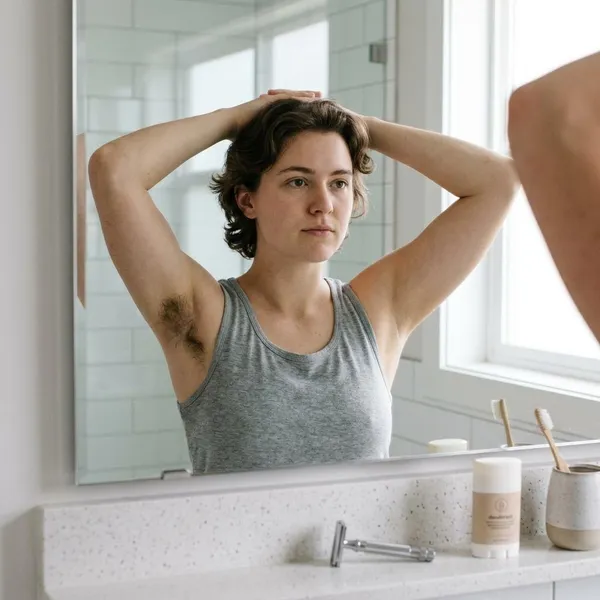
Shaving does not replace regular washing
A shaved underarm still sweats and still has skin bacteria. If sweat dries on the skin, if deodorant is layered over yesterday's buildup, or if a sweaty shirt is worn again, odor can still develop.
Removing hair does not automatically prevent body odor
Some people notice less odor after removing underarm hair because there is less surface area for moisture and residue to cling to. Others notice almost no difference because their odor is driven more by sweating, clothing, product use, or how long they go before washing.
If odor is your main concern, check the basics first: clean skin, dry underarms, clean clothes, and a product that actually reaches the skin. Hair removal is optional after that, not the foundation.
How to keep hairy armpits clean and fresh
The best routine for hairy armpits is simple: remove buildup, reduce dampness, keep clothing fresh, and use deodorant or antiperspirant consistently. If you only change one thing, start with washing the skin well and drying the area fully before getting dressed.
Wash the underarms regularly
Wash the underarms at least daily, and again after heavy sweating when practical. Use water and a gentle cleanser, then make sure you are cleaning beneath the hair rather than only rubbing the hair on top.
- After exercise: wash or rinse before sweat dries into the shirt.
- After a hot commute: a quick wipe-down can help if a shower is not possible.
- If odor returns quickly: spend a few extra seconds loosening deodorant residue before rinsing.
Dry the area thoroughly after washing
Damp underarms become odor-prone faster, especially under fitted shirts. Pat the area dry with a clean towel and give thick hair a little extra time before applying product or getting dressed.
Change sweaty clothing when needed
A clean underarm will not stay fresh for long in a shirt that already holds sweat. If odor seems to come back soon after washing, check your clothing before blaming the hair.
Use deodorant or antiperspirant consistently
Deodorant helps with smell; antiperspirant helps reduce sweat. Apply either one to clean, dry skin, and take an extra moment if you have thicker hair so the product reaches the skin rather than sitting only on the hair.
Trim the hair if odor retention bothers you
Trimming is a practical middle option if you like keeping underarm hair but feel it holds too much sweat or product. Shorter hair can be easier to wash, dry, and apply deodorant through, without the same risk of razor irritation that full shaving can cause.
Conclusion
Armpit hair is normal, and keeping it does not make you dirty. If your underarms smell, look first at sweat buildup, dampness, clothing, and whether your deodorant or antiperspirant is reaching clean skin. Shave if it makes your routine easier, trim if that feels more comfortable, and keep the hair if your hygiene habits are already working.
FAQS
Is it healthy to have armpit hair?
Yes. Armpit hair is a normal body feature, and removing it is a grooming choice rather than a health requirement.
Does shaving your armpits reduce body odor?
It may reduce odor for some people, mainly by making washing and product contact easier. It will not stop sweat or skin bacteria on its own.
Can deodorant work properly with armpit hair?
Yes. Apply it to clean, dry underarms and make sure it reaches the skin; trimming can help if thick hair blocks even application.

Popular Articles