How Can You Reduce Underarm Hair Growth Over Time?
To reduce armpit hair growth, you need a method that affects the follicle rather than just cutting or pulling out the visible hair. Ulike IPL can help many people get slower, finer underarm regrowth over time, especially when the hair is dark and the skin tone is compatible with the device. If your hair is very light, gray, white, or red, IPL is less likely to be the best use of your time.
Can Ulike IPL reduce underarm hair growth?
Ulike IPL may reduce underarm hair growth when it is used consistently and on suitable hair and skin. It is best thought of as long-term reduction, not a promise that every underarm hair will disappear forever.
Ulike IPL targets pigment in underarm hair
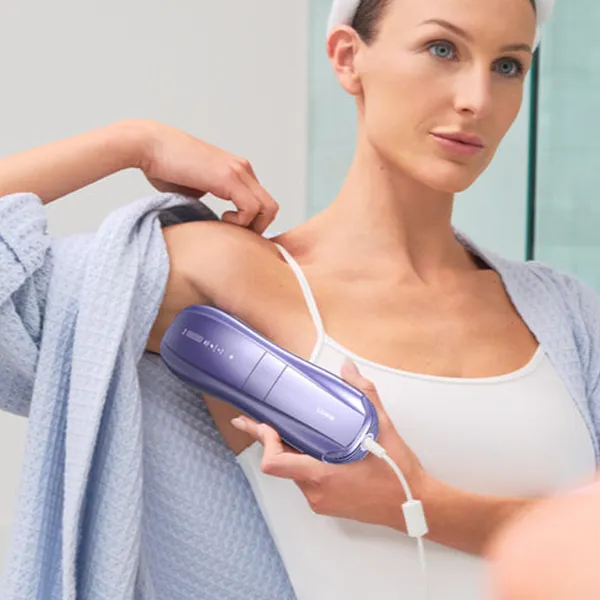
Ulike IPL works by sending light into the pigment in the hair. Darker hair absorbs that light more easily, which creates heat around the follicle area and can weaken future growth.
This is why underarms can respond well for many users: the hair is often darker and coarser than hair on areas like the arms. The same reason also explains weaker results on very blond, red, gray, or white hair, where there is not enough pigment for the light to target effectively.
Repeated treatments can reduce hair density
One session cannot catch every follicle at the right moment because hair grows in cycles. Repeated treatments give more hairs a chance to be treated during an active growth stage, which is when IPL tends to be most useful.
The first useful sign is often not a perfectly bare underarm. It may be fewer hairs in the center, a less obvious shadow after shaving, or regrowth that looks more scattered instead of dense.
Regrowth can become finer and slower
When IPL is working, new underarm hair may come back softer, thinner, and slower than before. That can still be a good result even if a few hairs remain, because the area is easier to maintain and feels smoother for longer between shaves.
Maintenance treatments help manage new growth
Maintenance is usually part of realistic IPL use. Hormones, normal hair cycling, and follicles that were not fully affected can all lead to some regrowth later.
How to use Ulike IPL for underarm hair reduction
The order matters: check suitability first, shave and clean the area, test a small patch, then treat with steady skin contact. Underarms are small, but the curve and folds make missed spots common.
A simple routine works better than trying to use the highest setting once and hoping for faster results. Treating calm, clean skin on a schedule is the safer and more consistent approach.
Shave and clean the underarms first
Shave before using IPL, but do not wax, pluck, or epilate right before treatment. IPL needs the hair root beneath the skin as a target, while surface hair above the skin can absorb heat and make the session less comfortable.
- Remove deodorant: wash away residue, sweat, lotion, or body oil.
- Dry the skin well: the treatment window should sit cleanly against the underarm.
- Wait if skin is irritated: skip IPL over razor cuts, rash, or fresh razor burn.
Patch test before full treatment
Do a small patch test and wait at least 24 hours to check for an adverse reaction before treating the full underarm. Mild temporary warmth can happen, but strong burning, swelling, blistering, or irritation that lingers is a reason to stop and check the device instructions before trying again.
Choose a suitable treatment setting
The best setting is not automatically the highest one. Choose the strongest level your skin tolerates comfortably enough that you can keep following the schedule.
For sensitive underarms, start lower and increase only if the patch test and first sessions feel normal. For coarse, dark hair on compatible skin, a higher tolerated setting may give better reduction, but discomfort is not a useful shortcut.
Keep the treatment window flat on the skin
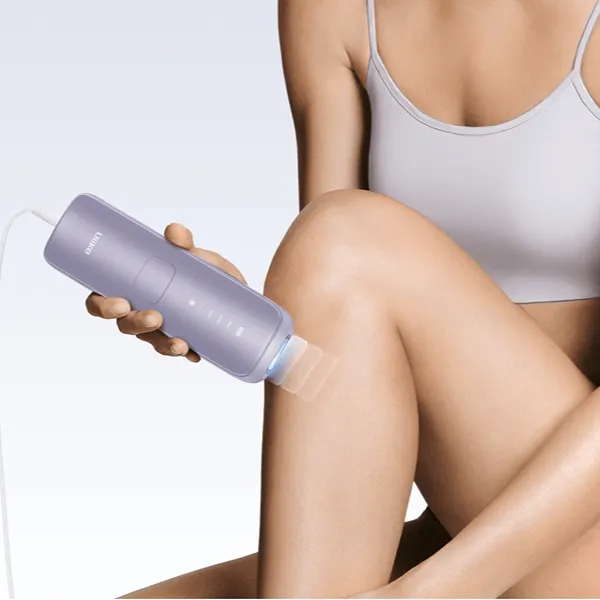
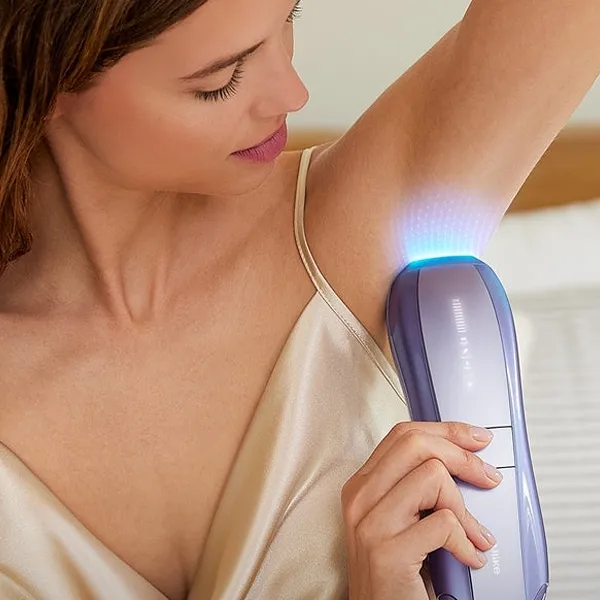
Full contact helps the light reach the area evenly. Raise your arm, gently stretch the skin if needed, and treat in a small, organized pattern instead of flashing randomly around the underarm.
Patchy regrowth is often a coverage problem rather than a device problem. The hollow center and outer edges of the armpit are easy to miss, so good lighting or a mirror can make a real difference.
Follow the schedule for your Ulike model
Use the schedule for your exact Ulike model rather than guessing. Treating too rarely can slow progress because you miss growth cycles; treating too often may only increase irritation without improving results.
What affects how well IPL reduces armpit hair?
The biggest factors are hair color, skin tone compatibility, consistency, and how evenly you cover the area. Before thinking about price or convenience, check whether your hair and skin are likely to respond in the first place.
If IPL is a poor match, forcing it is not worth it. Light hair may require a different hair-removal method. If your skin tone falls outside the supported range for your specific Ulike device, do not use the device on that area; consider discussing suitable professional alternatives with a qualified provider.
Hair color
Dark brown and black underarm hair usually responds best because it contains more melanin for IPL to target. Very light blond, gray, white, and many red hairs tend to respond poorly, even if the device is used correctly.
Hair thickness
Coarse underarm hair can be a good IPL target because it often contains more pigment, but it may take patience. Many people notice softer stubble before they notice large hair-free patches.
Skin tone compatibility
Skin tone compatibility is a safety issue, not just a results issue. If the surrounding skin absorbs too much light, the risk of irritation, burns, or pigment changes can increase.
- Check the Ulike skin tone chart in bright light. Do not rely only on product photos or reviews.
- Avoid using Ulike IPL on sunburned or recently tanned skin. Wait until the skin has returned to its normal tone and follow the sun-exposure guidance for your specific Ulike model before resuming treatment.
- Avoid unsafe areas. Do not use Ulike IPL on broken or irritated skin, active rashes or infections, or directly over tattoos. Suitable untattooed skin around a tattoo may be treated according to the instructions for your specific device.
Treatment consistency
Consistency is where many at-home routines succeed or fail. A manageable schedule you actually follow will usually beat an intense plan that you abandon after two sessions.
Treatment coverage
Coverage decides whether the result looks even. Divide each underarm into small zones, keep the window flat, and avoid overlapping so much that the skin becomes irritated.
If one strip keeps growing while the rest looks thinner, do not immediately increase the setting. First check whether that strip is being missed because of the underarm curve, poor lighting, or awkward arm position.
Conclusion
Ulike IPL can be a sensible at-home option if your underarm hair is dark, your skin tone is compatible, and you are willing to keep up with the routine. Start by checking suitability, not by chasing the highest setting; if your hair color or skin tone makes IPL a poor match, a professional laser or electrolysis consultation is the smarter next step.
FAQS
Why does my armpit hair grow back so fast?
Usually because shaving only cuts the hair at the surface while the root stays active. Underarm hair is also hormone-sensitive, so quick stubble after shaving is normal and does not mean shaving made the hair thicker.
Does waxing reduce armpit hair growth over time?
Waxing may make regrowth seem finer for some people, but it is not a reliable permanent reduction method. It removes the root temporarily, which is why smoothness lasts longer than shaving, but the follicle can keep producing hair.
Does armpit hair grow back after you stop using IPL?
Yes, some hair can return after stopping IPL. Results are usually maintained better with occasional touch-ups, especially if hormones, missed follicles, or normal growth cycles bring new hairs back later.

Popular Articles