How Can You Remove Facial Hair Without Skin Bumps?
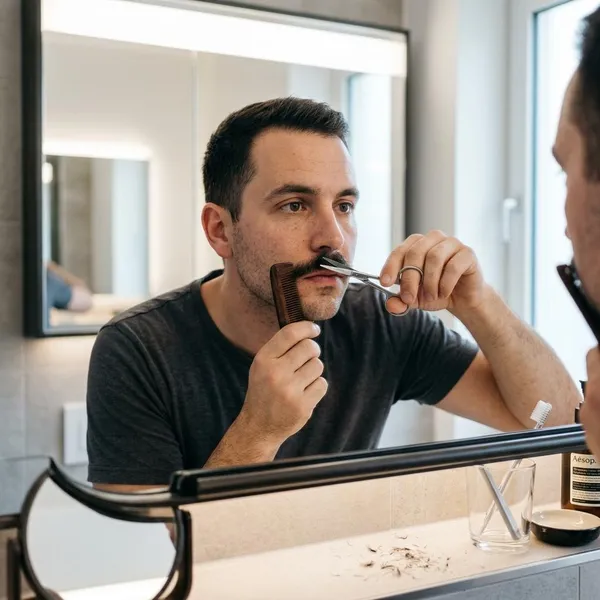
If your face gets bumpy after removing hair, the safest starting point is usually not a stronger aftercare product—it is a gentler method, cleaner tools, and fewer passes over the same skin. Facial hair removal without breaking out is more realistic when you treat the skin barrier as the priority, especially if you already deal with acne, ingrown hairs, or sensitivity.
Why Bumps Appear After Hair Removal
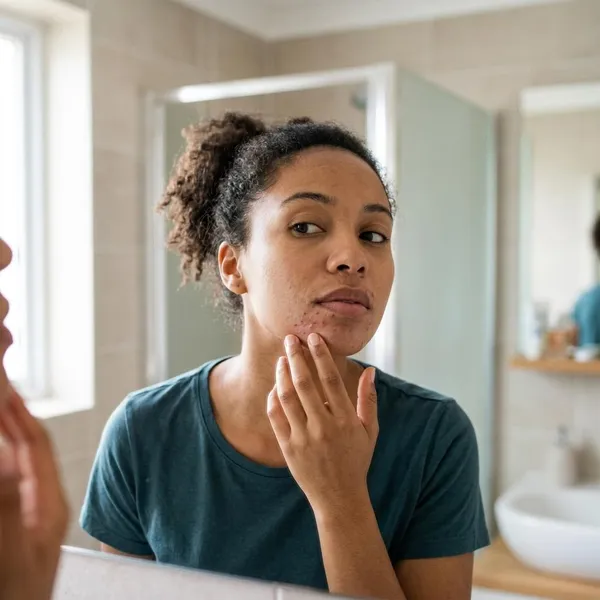
Post-removal bumps are not always regular acne. They can be clogged pores, ingrown hairs, razor bumps, follicle inflammation, or simple irritation from friction. The first useful check is timing: bumps that appear right away often point to irritation, while bumps that show up a day or two later are more likely to involve ingrown hairs or clogged follicles.
Location matters too. The upper lip may react quickly because the skin is thin and easily irritated. The chin and jawline are more likely to develop stubborn bumps if the hair is coarse, curly, or shaved very close.
Acne and clogged pores
Acne-like bumps usually happen when oil, sunscreen, makeup, sweat, or heavy aftercare products settle into freshly disturbed pores. If your bumps look like small whiteheads and tend to appear after applying makeup or a rich balm, clogged pores may be the main issue.
Ingrown hairs and razor bumps
Ingrown hairs form when a cut or newly growing hair curls back into the skin instead of growing outward. This is more common around the chin, jawline, upper lip, and any area where hair is thicker or more curled.
- More likely: sore bumps one to three days after close shaving.
- Common trigger: shaving against the grain or stretching the skin too tightly.
- Better choice: a less-close trim if smooth shaving keeps causing bumps.
Folliculitis and irritation
Folliculitis is inflammation around the hair follicle and can look like a cluster of small red bumps. It may be triggered by bacteria, friction, sweat, waxing, threading, shaving, or dermaplaning with too much pressure.
If bumps become painful, pus-filled, hot, spreading, or keep returning after every session, it is worth getting medical advice. That pattern may need treatment beyond routine skincare.
Choosing a Facial Hair Removal Method
The best method is the one your skin can tolerate repeatedly, not the one that gives the closest result once. If you only remove a few upper-lip hairs before an event, your best choice may be different from someone dealing with weekly chin ingrowns or daily visible stubble.
| Skin or hair situation | Usually gentler option | Be more careful with |
|---|---|---|
| Acne-prone or easily irritated skin | Electric trimming or gentle shaving | Waxing over active breakouts |
| Coarse chin hairs or recurring ingrowns | Trimming, careful shaving, or professional options | Very close shaving against the grain |
| Fine peach fuzz on cheeks | Light dermaplaning if skin is calm | Repeated scraping or dermaplaning over irritated skin |
| Using strong acne treatments | Low-friction methods after checking restrictions | Waxing, aggressive dermaplaning, and depilatory creams |

How to Reduce Breakouts During Hair Removal
The most important order is simple: do not treat damaged skin, check whether your acne products make removal riskier, start clean, use the method correctly, and stop before the skin feels overworked. Extra serums and complicated aftercare matter less than those basics.
For a low-risk day—calm skin, no active irritation, and a small area like the upper lip—a clean electric trimmer or gentle shave may be enough. For a high-risk day—active acne, retinoid use, summer sweat, or skin that already burns with water—it is usually better to wait.
Wait for inflamed or broken skin to heal
Skip hair removal over open pimples, cuts, picked spots, rashes, sunburn, or skin that feels hot and raw. A useful test is whether the area stings when you wash it with plain water; if it does, hair removal is likely to make the reaction worse.
Check acne treatment restrictions
Retinoids, tretinoin, adapalene, benzoyl peroxide, salicylic acid, glycolic acid, and prescription acne treatments can make skin more reactive. This matters most with waxing and dermaplaning because both can disturb the surface of the skin.
If you use prescription treatment or your skin peels easily, check the product instructions or ask your dermatologist before waxing. When in doubt, choose a lower-friction method until the skin feels calm and resilient again.
Cleanse gently and use clean tools
Wash your hands, remove makeup and sunscreen with a mild cleanser, and dry the area with a clean towel. Avoid scrubs or cleansing brushes right before hair removal because they add friction before you even start.
- Razor: use a clean, sharp blade and do not share it.
- Trimmer: clean the head before and after use.
- Tweezers: wipe them clean before touching the skin.
- Dermaplaning blade: use a sterile tool and discard it as directed.
Follow the method's directions
Directions matter because each method has a different risk point. Depilatory creams have strict timing limits, wax needs the right hair length and skin condition, and electric tools may be designed for dry skin only.
Do not combine multiple methods in one session just because a few hairs remain. Shaving after waxing, dermaplaning after exfoliating, or leaving cream on longer for a smoother result can turn mild redness into a longer breakout.
Limit friction and repeated passes
One gentle pass is often better than five perfecting passes. Stop if the skin starts to feel hot, stingy, tight, or unusually smooth in a raw way.
- Cleanse the area and dry it with a clean towel.
- Check for active irritation, open spots, or peeling.
- Use light pressure and avoid going against the skin repeatedly.
- Keep aftercare simple: no heavy makeup, steam, sweaty workout, or strong actives right away.
What to Do if Bumps Develop
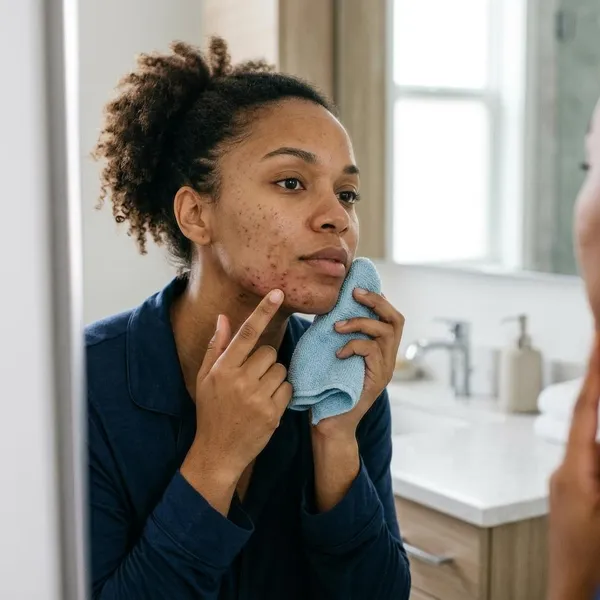
When bumps show up, the goal is to calm the skin first and troubleshoot later. Scrubbing, picking, and layering several acne treatments usually makes the area angrier, especially on the upper lip and chin where marks can linger.
Pause the method that triggered irritation
Stop using the method that caused the reaction until the skin settles. If close shaving caused bumps, trim for a while. If waxing left a rash, do not re-wax the same area while it is still red or tender.
When you restart, change only one factor: a fresh blade, fewer passes, lighter aftercare, or a different method. That makes it easier to see what actually helped.
Avoid squeezing or digging out hairs
Do not dig at suspected ingrown hairs with nails, needles, or tweezers. It can push bacteria into the skin and leave dark marks or scars. If a hair is deeply trapped, painful, or repeatedly inflamed, let a clinician handle it instead of turning a small bump into a wound.
Seek care for worsening or recurring symptoms
Get medical advice if bumps are painful, spreading, pus-filled, crusted, very itchy, or keep returning after every removal attempt. A dermatologist can help separate acne, ingrown hairs, irritation, folliculitis, and contact dermatitis, which do not all need the same treatment.
Conclusion
The most reliable approach is to choose the least irritating method that still meets your needs, then keep the routine boring: calm skin, clean tools, light pressure, and simple aftercare. If your skin repeatedly reacts, that is a sign to switch methods or ask for professional help—not to push harder for a closer finish.
FAQS
Can any hair removal method guarantee no breakouts?
No. Even gentle methods can cause bumps if the skin is inflamed, the tool is dirty, or the aftercare clogs pores.
Can I wax while using retinoids?
Be very cautious. Retinoids can make skin more fragile, so waxing may lift or irritate the surface; check your product guidance or ask your dermatologist first.
When can I wear makeup after facial hair removal?
Wait until redness, heat, or stinging has settled. If you must wear makeup the same day, use clean tools and a light, non-comedogenic product rather than a heavy layer.

Popular Articles