How Can You Remove Facial Hair With Rosacea?
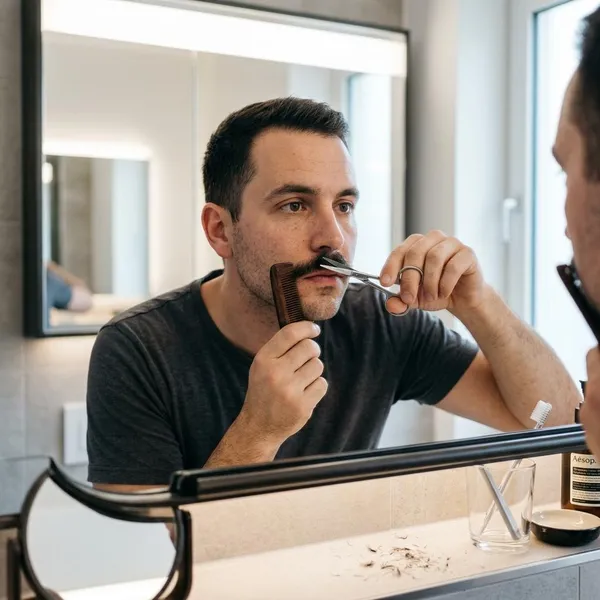
You can remove facial hair if you have rosacea, but the method and timing matter more than getting the closest possible result. Start by checking whether your skin is calm, then choose the least irritating option that still feels acceptable for everyday life. For many people, electric trimming or very gentle shaving is easier to tolerate than waxing, strong creams, or heat-based treatments.
Can You Remove Facial Hair With Rosacea?
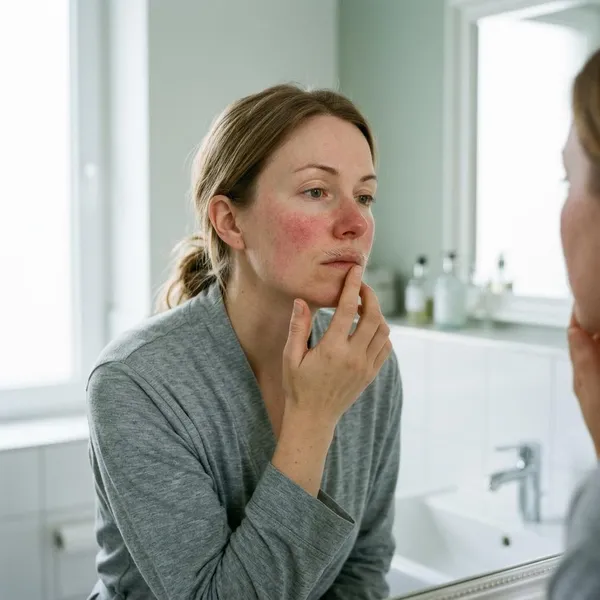
In many cases, yes. Rosacea does not automatically mean you have to leave facial hair alone, but it does mean you should avoid treating your skin like non-reactive skin. The main triggers to think about are heat, friction, pulling, harsh ingredients, and anything that weakens the skin barrier.
A calm-skin day and a flare day are not the same. If your face feels comfortable, does not sting when you apply moisturizer, and looks close to your usual baseline, a gentle method may be reasonable. If your cheeks or upper lip are already hot, burning, swollen, bumpy, or raw, hair removal is more likely to turn into a setback.
The best starting point is usually the method that creates the least stress. Someone removing a few visible hairs before work may do better with a small electric trimmer than with a close razor shave. Someone preparing for a special event should avoid trying a new method the same day, especially if their skin tends to flush under stress, heat, or makeup.
Comparing Facial Hair Removal Methods
For rosacea-prone skin, the "best" method is not always the one that lasts longest. A result that stays smooth for weeks is not much help if it leaves your face red, sore, or stinging for days. It is more useful to compare methods by the kind of stress they put on the skin.
| Method | Main skin stress | Usually best for | Use extra caution if |
|---|---|---|---|
| Electric trimming | Light contact | Regular maintenance and reactive skin | The device drags or feels rough |
| Gentle shaving | Friction from the blade | Calm skin that tolerates light contact | You need repeated passes to feel smooth |
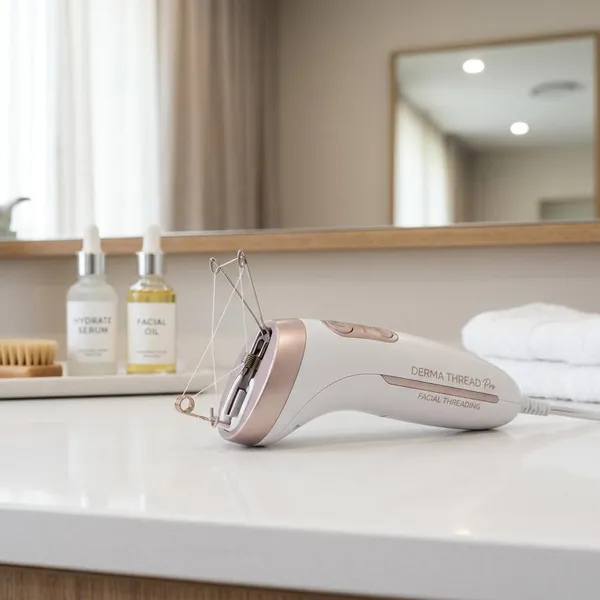
| Waxing, sugaring, threading | Pulling and friction, sometimes heat | Small areas only if previously tolerated | You are flaring or using irritating actives |
| Dermaplaning | Blade contact plus exfoliation | Very selective use on stable skin | Your skin stings from basic products |
| Depilatory creams | Chemical exposure | Rarely a first choice for rosacea | You react to fragrance, acids, or strong formulas |
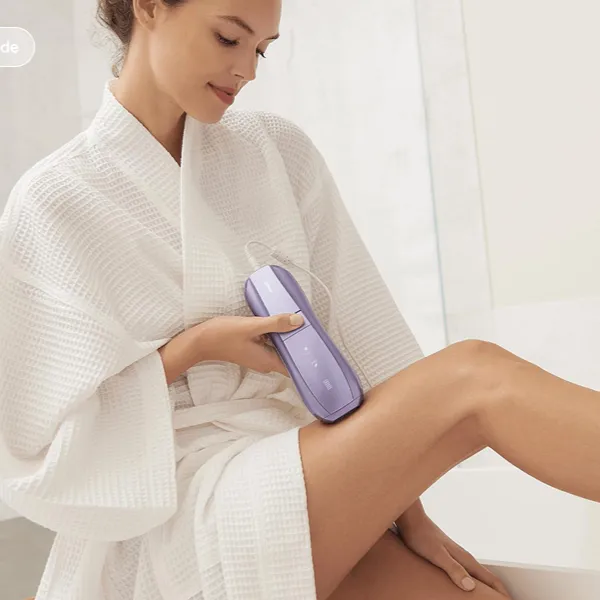
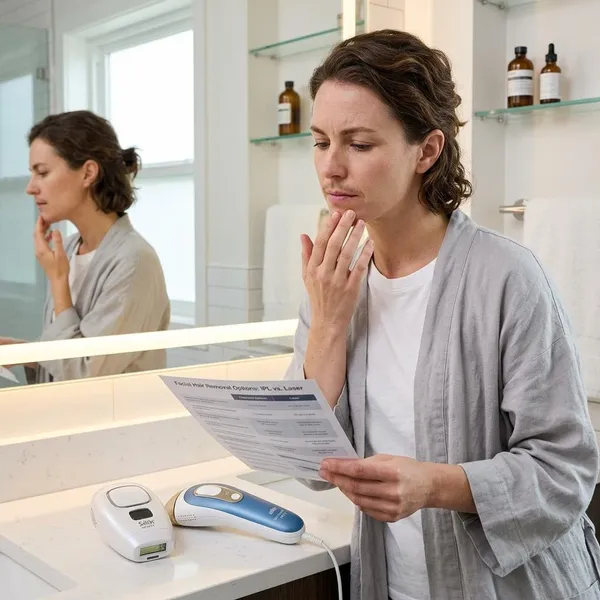
| Laser or electrolysis | Heat or pinpoint follicle treatment | Carefully planned professional care | Your rosacea is active or poorly controlled |
What to Check Before Hair Removal
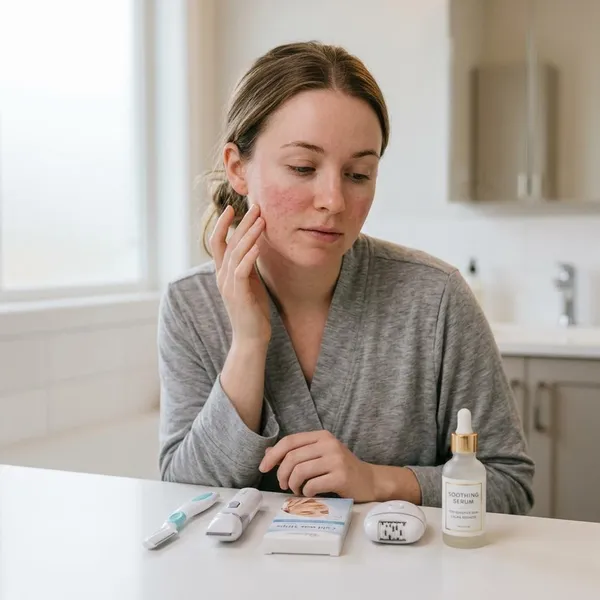
Before removing hair, do a quick skin check instead of relying only on your usual routine. Rosacea can change from day to day, and a method that worked last month may feel harsh after sun exposure, cold wind, stress, a new product, or a recent flare.
Active redness, burning, or broken skin
Postpone hair removal if the area is burning, unusually red, swollen, cracked, raw, or painful to touch. Broken or inflamed skin reacts more strongly to even mild friction, and hair removal can prolong the discomfort.
Previous reactions to heat and friction
Your own trigger history is often more helpful than general advice. If hot showers, steam, spicy food, summer weather, or exercise quickly make your face flush, be careful with waxing, laser, IPL-style devices, and anything that adds heat. If washcloths, scrubs, masks, or towel-rubbing bother you, friction is probably the bigger concern.
That difference changes the choice. A heat-sensitive person may prefer trimming over wax or laser. A friction-sensitive person may need to shave less often, use a trimmer, or discuss a carefully controlled professional option rather than scraping the same area every morning.
Skincare products and prescribed treatments
Hair removal is more irritating when it overlaps with strong skincare. Retinoids, exfoliating acids, benzoyl peroxide, acne treatments, and some prescription rosacea routines can make the skin less tolerant, especially around the upper lip and chin.
- Keep the routine plain: mild cleanser, simple moisturizer, and sunscreen if needed.
- Avoid "refreshing" products: menthol, fragrance, essential oils, and alcohol-heavy aftershaves often sting.
- Change one thing at a time: if shaving burns, test a gentler shave product before blaming the razor.
If you use prescribed treatment, ask your clinician how to time hair removal around it rather than stopping medication on your own.
Provider experience with rosacea
For professional hair removal, the consultation tells you a lot. A careful provider should ask about flares, current redness, medications, previous reactions, and which parts of your face are most reactive. They should also be willing to patch test, treat smaller areas, lower intensity where appropriate, or postpone treatment.
How to Shave With Less Irritation
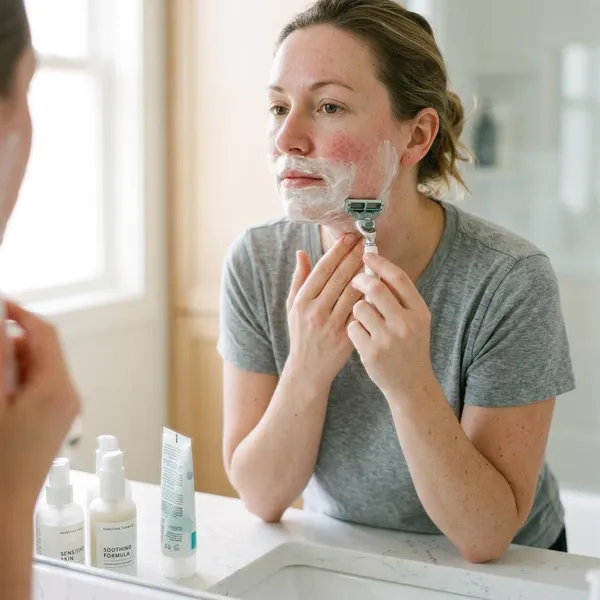
Shaving with rosacea works best when you treat it as a gentle skin routine, not a race to remove every tiny hair. The aim is an acceptable result with the fewest triggers: less pressure, fewer passes, more slip, and calmer aftercare.
Use clean tools and gentle products
A dull blade or dirty trimmer head creates extra drag, which is exactly what reactive skin dislikes. Use clean tools, replace worn blades or parts before they start pulling, and avoid shaving over skin that already feels hot or sore.
Choose a fragrance-free shaving gel, cream, or soft emollient product that gives the blade enough glide. Thick foam is not always better; if it leaves your skin tight or stinging, it is not a good match even if it is marketed for sensitive skin.
Shave with the grain and light pressure
Shaving with the grain is usually kinder to rosacea-prone skin than shaving against it. It may leave a slightly less polished finish, but it reduces tugging and surface irritation. Let the blade cut without pressing down; pressure often creates more redness than benefit.
Short strokes are easier to control than long, fast strokes. If the blade starts to drag, stop and add more product rather than pushing through dry skin.
Limit repeated passes
The second and third pass are where many shaving flares begin. Decide before you start that "good enough" is the target, especially on the upper lip, chin, and jawline where people tend to over-correct.
- Use lukewarm water and a mild cleanser.
- Apply enough shave product to create slip.
- Make one light pass with the grain.
- Reapply product before any small touch-up.
- Stop before the skin feels warm, tight, or raw.
For daily hair removal, this conservative routine is usually more sustainable than trying to get a perfectly smooth shave every morning. For occasional hair removal before an event, do it a day or two earlier if your skin often reacts later.
Rinse gently and moisturize
Rinse with cool to lukewarm water, then pat dry with a soft towel. Avoid rubbing, hot water, scrubs, acids, toners, and scented aftershaves right afterward. Post-shave skin is already more exposed, so aftercare should be boring in the best possible way.
Apply a simple moisturizer while the skin is slightly damp. If you will be outside, use a sunscreen your rosacea normally tolerates once the skin feels settled. If careful shaving still causes burning or next-day redness, take a break and compare how your skin behaves with electric trimming instead.
Conclusion
The safest choice is usually the method your skin can tolerate repeatedly, not the one that promises the longest-lasting smoothness. If your rosacea is calm, gentle shaving or trimming may be enough; if your skin is flaring, postpone anything more aggressive. Professional treatments can be worth discussing, but only with someone who understands rosacea and is willing to move slowly.
FAQS
Should I postpone hair removal during a rosacea flare?
Yes. If the area is hot, burning, swollen, broken, or more red than usual, wait until it returns closer to your baseline. A quick trim may be the only exception, and only if it does not rub the skin.
Is hair-removal IPL the same as IPL for rosacea redness?
No. Hair-removal IPL is aimed at hair follicles, while IPL used for rosacea redness targets visible redness and vessels. Do not assume one is suitable just because the other is used in dermatology.
Does a patch test guarantee that treatment will not cause a flare?
No. A patch test lowers risk, but rosacea can react later or respond differently when a larger area is treated. Check the test spot the same day and again the next day before deciding what to do next.
Popular Articles