What is the safest way to remove facial hair at home?
If you want to remove facial hair at home, start with the result you actually need: a quick clean-up, smoother skin for a few weeks, or gradual reduction so you do not have to keep repeating the same routine. Shaving and trimming are easiest for fine hair, waxing lasts longer, creams can be less painful, and Ulike Air 10 is worth considering if your hair and skin tone are suitable for IPL.
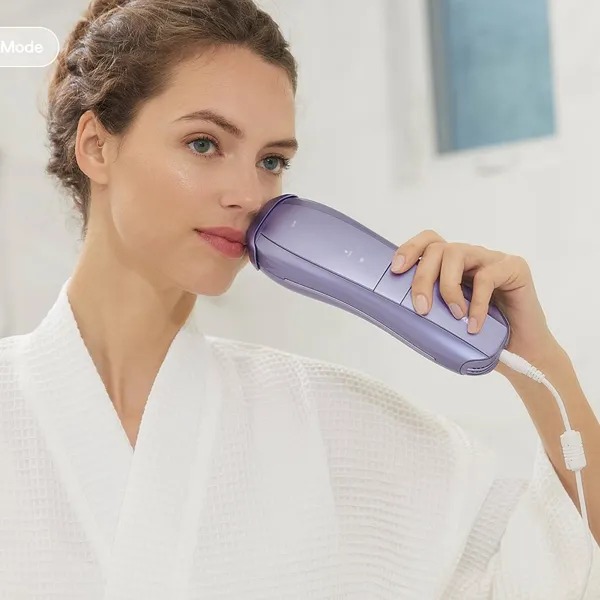
What is the best way to remove facial hair at home
The best method depends on three things: how sensitive your skin is, how visible the hair is, and how long you want the result to last. For peach fuzz before makeup, a facial razor or trimmer is usually enough. For darker upper-lip or chin hair, waxing, epilation, or IPL may be more useful because the result lasts longer or reduces regrowth over time.
A simple way to choose is to separate temporary removal from longer-term planning:
- Need it today: shave, trim, or dermaplane for quick surface removal.
- Want a few smoother weeks: use facial wax or an epilator if your skin tolerates pulling.
- Prefer less upkeep later: consider Ulike Air 10 or another face-safe IPL device if your skin tone and hair color are compatible.
- Very reactive skin: avoid testing a new wax, cream, or device right before an event.
Waxing or epilation for longer results
Waxing and epilation are better when you want facial hair removed from the root instead of cut at the surface. They are most useful for small areas such as the upper lip, chin, or sideburns where you want a cleaner finish for longer than shaving can give.
Choose this route carefully if you use retinoids, strong exfoliating acids, or acne treatments, because facial skin can lift or sting more easily. For a low-risk situation, such as occasional upper-lip waxing on calm skin, a face wax strip may be fine. For a higher-risk situation, such as sensitive skin before a wedding, photo shoot, or holiday, it is smarter to avoid first-time waxing and use a gentler method you already trust.
A face-safe cream for less pain
A face-safe hair removal cream can work well if you dislike the pull of waxing. It dissolves hair near the skin surface, so the result usually lasts longer than shaving but not as long as root removal.
- Use only facial formulas: body depilatory creams are usually too harsh for the face.
- Patch test first: check a small area at least a day before using it more widely.
- Watch the timer: leaving cream on longer does not make it safer or more effective.
- Skip broken or irritated skin: burning and redness are more likely when the barrier is already stressed.
Ulike Air 10 for long-term reduction
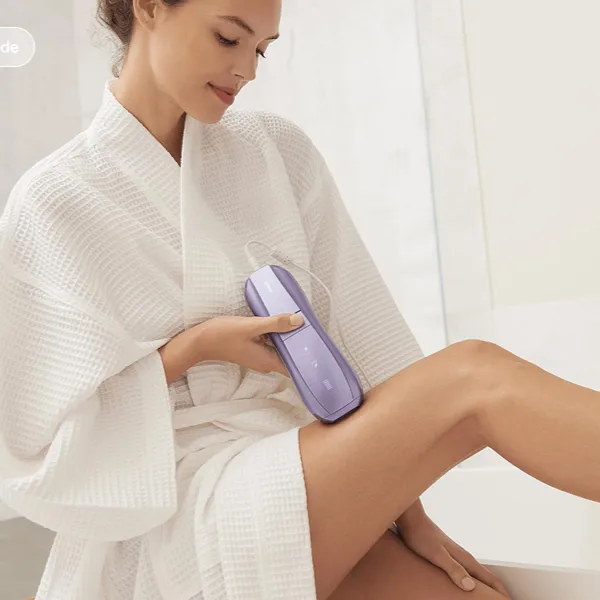
Ulike Air 10 is the better fit when your goal is not just removing visible hair today, but reducing how often it comes back. IPL works gradually, so it suits someone who is tired of constant chin or upper-lip touch-ups and can follow a regular treatment schedule.
It is not the right choice for every person. IPL generally needs enough pigment in the hair to target it, and device suitability can change by skin tone, hair color, and treatment area. Before using it on the face, check the Ulike instructions for facial areas, avoid the eye area, and do not treat over skin that is sunburned, irritated, or recently waxed.
Why choose Ulike Air 10 for facial hair
Ulike Air 10 makes the most sense for people who want fewer repeat touch-ups rather than a one-off smooth result. Shaving, creams, and waxing can all remove hair, but they keep you in the same cycle. IPL is different because consistent use may reduce visible regrowth over time.
Think of it as a long-term routine, not an emergency fix. If you have a few hairs you want gone before dinner tonight, shave or trim. If you are dealing with recurring upper-lip or chin hair every week, a face-safe IPL routine may be more practical once you confirm it suits your skin and hair.
Long-term hair reduction
The main reason to choose Ulike Air 10 is gradual hair reduction. Instead of only cutting or pulling the hair that is visible now, IPL targets the follicle so regrowth may become slower and less noticeable with repeated use.
This matters most for daily or weekly maintenance. Someone who removes facial hair once a month may be fine with wax strips. Someone who checks the mirror every few days for chin hairs may get more value from a method that aims to reduce the cycle itself.
Cooling during treatment
Facial IPL can feel warm, especially around the upper lip and chin, so cooling is a useful comfort feature. It does not replace the need for the right setting or careful placement, but it can make treatment easier to tolerate on small, sensitive areas.
Adjustable treatment modes
Adjustable modes help because facial skin is not equally sensitive everywhere. The upper lip may need a gentler setting than the jawline, and skin can react differently after sun exposure, shaving, or active skincare.
A sensible approach is to start lower than you think you need, then increase only if the skin stays calm. Mild warmth can be normal, but sharp pain, strong burning, swelling, or redness that lingers is a sign to stop and reassess.
At-home privacy
Privacy is a real reason many people prefer at-home facial hair removal. Visible facial hair can feel more personal than leg or underarm hair, and using a device at home means you do not have to book appointments for small areas like the upper lip or chin.
Less frequent upkeep
Less frequent upkeep is the practical payoff. With shaving or creams, you may be repeating the same step every few days. With waxing, you may need to wait for enough regrowth before removing it again. With consistent IPL use, the aim is to move from constant removal to occasional maintenance, which is easier to fit into a normal routine.
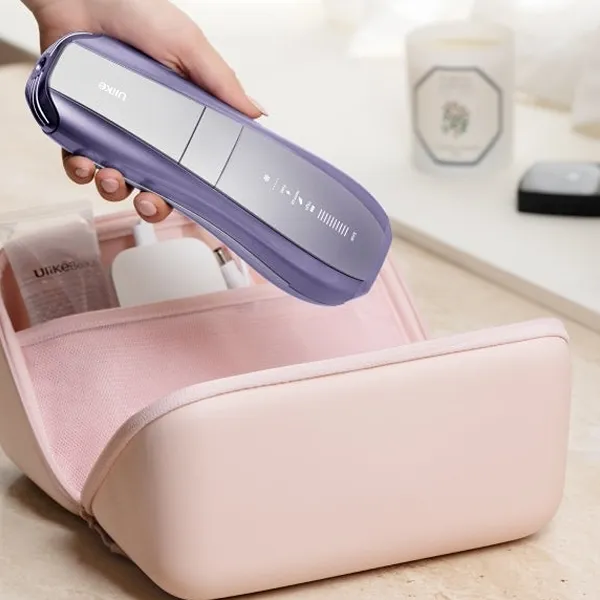
How to use Ulike Air 10 on facial hair
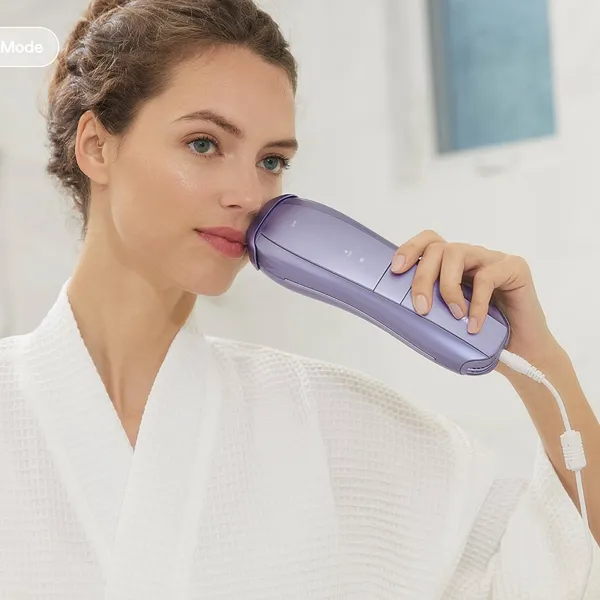
Using Ulike Air 10 on facial hair should be slow, controlled, and limited to areas the device instructions allow. The most important checks come before you flash: make sure your skin and hair are suitable for IPL, remove makeup and skincare residue, and avoid treating irritated skin.
For the face, precision matters more than speed. Small missed patches can leave uneven regrowth, while repeatedly flashing the same spot can make irritation more likely.
Shave the treatment area
Shave or trim the treatment area first so the light can focus below the skin instead of heating longer hair above the surface. This is different from waxing, where you need hair length for grip. With IPL, the follicle should remain under the skin while the surface is clean and smooth.
Clean and dry the skin
Wash away makeup, sunscreen, oil, and heavy skincare, then let the skin dry fully. Do not apply rich creams right before treatment unless the device instructions specifically say to. If shaving leaves the area red or stinging, wait until it calms down rather than treating irritated skin.
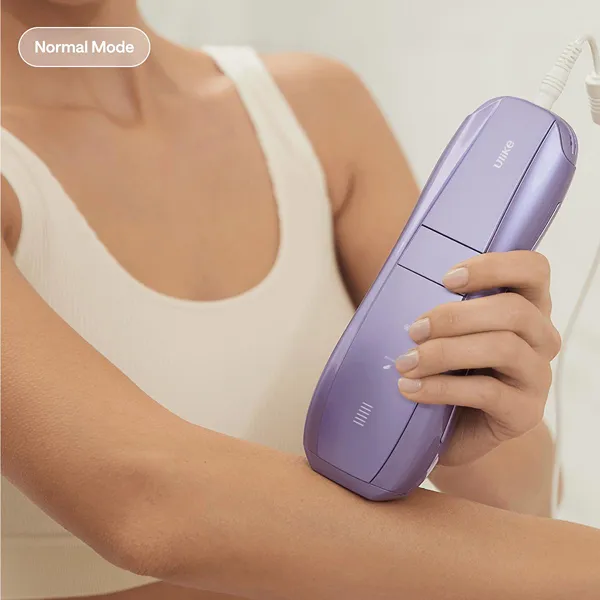
Choose a comfortable mode
Start with a comfortable low mode, especially the first time you treat the upper lip or chin. You can use a small test area to see how your skin responds before covering the full zone.
- Good sign: brief warmth that settles quickly.
- Slow down: redness that lasts longer than usual for your skin.
- Stop: burning, swelling, blistering, or sharp pain.
Place the window flat
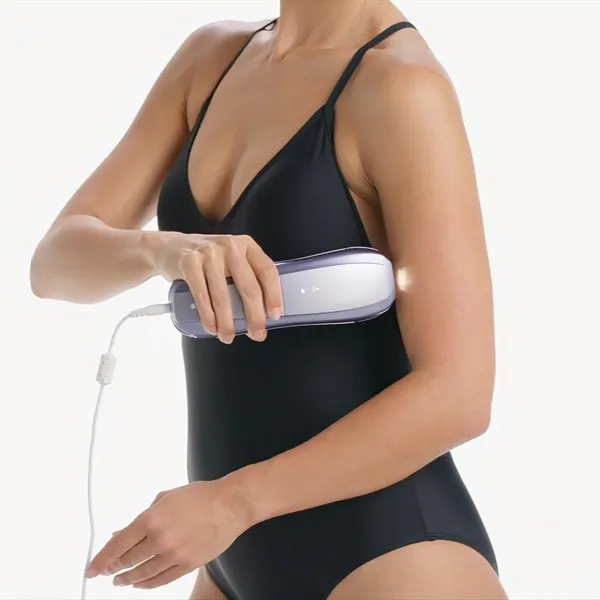
Hold the treatment window flat against the skin before each flash. Good contact helps the device work evenly and reduces skipped spots. Around curves near the chin or upper lip, move in smaller sections instead of trying to cover too much at once.
Cover the area evenly
Use a simple pattern, such as moving from one side of the upper lip to the other, so you know what has already been treated. Slight overlap can help avoid missed hairs, but flashing the exact same point again and again in one session is not a shortcut to better results.
Follow the treatment schedule
Follow the Ulike treatment schedule rather than guessing your own timing. IPL depends on repeated sessions because hair grows in cycles, so irregular use can make results harder to judge. Once growth looks slower, maintenance is usually less frequent, but the safest interval is still the one given in the device instructions.
Conclusion
The best choice is the one that matches your real problem: shave or trim for quick peach-fuzz cleanup, use wax or a face-safe cream when you want a longer short-term result, and consider Ulike Air 10 when repeated upper-lip or chin maintenance is becoming annoying. Check skin sensitivity, hair color, treatment area, and timing before choosing; the safest routine is usually the one you can repeat calmly without irritating your face.
FAQS
Does shaving make facial hair grow back thicker?
No. Shaving cuts hair with a blunt edge, so regrowth can feel sharper at first, but it does not change the follicle or make facial hair grow thicker.
Can Ulike IPL be used on the upper lip and chin?
It may be used there only if the Ulike instructions approve those facial areas for your device. Keep it away from the eyes, start gently, and do not use it on skin that is irritated or recently waxed.
How often should you remove facial hair at home?
Use the method as often as your skin can tolerate and the product instructions allow. Shaving or trimming may be done more often, waxing usually needs regrowth first, and Ulike IPL should follow the device's treatment schedule rather than daily use.


Popular Articles