Is Facial Laser Hair Removal Safe and Effective?
You can do laser hair removal on your face, but it is not equally suitable for every type of facial hair. It tends to work best on dark, coarse hair such as upper-lip, chin, or beard-area growth, while light fuzz and very fine hair are often poor targets. The first thing to check is not the price of a package, but whether your hair, skin tone, hormones, and treatment area make laser a sensible choice.
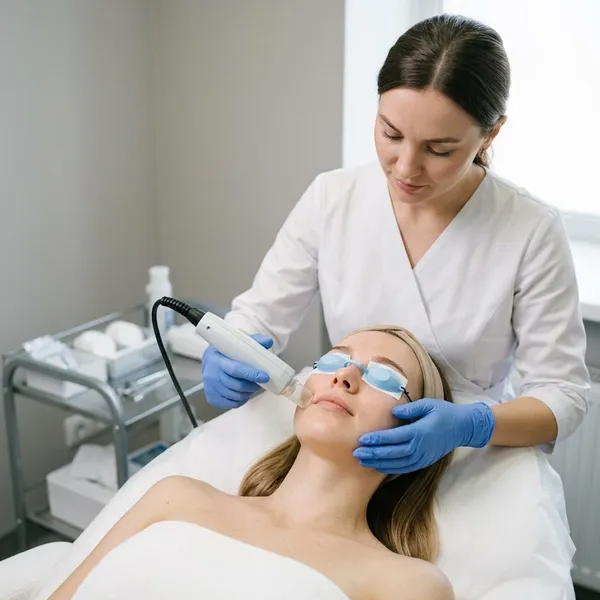
Can you do laser hair removal on your face?
Facial laser hair removal is common, especially for small areas where dark hair keeps coming back after shaving, tweezing, threading, or waxing. The laser targets pigment in the hair and sends heat toward the follicle, which can reduce future growth over a course of sessions.
Which facial areas can laser treat?
Clinics commonly treat the upper lip, chin, jawline, sideburns, cheeks, and sometimes hair that extends onto the upper neck. The safest plan is selective: treat the hair that is likely to respond, and avoid zones where the risk or poor response makes laser a bad trade-off.
The practical question is whether the hair in that area is coarse enough and pigmented enough to absorb laser energy. A cautious provider should also look at nearby fine hair, because treating the wrong facial zones can sometimes give disappointing results or, rarely, encourage more growth.
Upper lip and chin
The upper lip and chin are among the most common areas because the hair there is often visible, dark, and bothersome in daily routines. Sessions are usually quick, but the upper lip can feel sharper than less sensitive areas.
Chin hair deserves a little more context. If it is connected to PCOS, menopause, or another hormonal pattern, laser may still reduce the hair, but you may need more sessions and later maintenance. That does not make treatment pointless; it just changes the expectation from "done forever" to "much easier to manage."
Jawline and beard areas after assessment
Jawline and beard-area treatment can be useful, but it should not be rushed. Dense beard hair, mixed textures, and hormone-driven lower-face growth all need a proper assessment before choosing settings or promising results.
Areas close to the eyes are a separate safety issue. Eyelids should not be treated, and eyebrow shaping with laser is very limited because eye injury is a serious risk.
How to check whether facial laser suits you
Before booking a package, check four things in order: hair color, hair thickness, skin tone, and anything that could make growth or skin reaction less predictable. This is where many bad laser decisions happen, because facial hair can look simple in the mirror but behave very differently once treatment starts.
Assess hair color and thickness
Dark, coarse hair is the strongest target because it contains more pigment for the laser to absorb. Light blonde, red, gray, white, and very thin hairs usually respond poorly because there is not enough pigment to guide the heat effectively into the follicle.
- Good sign: the hair looks dark and feels stubbly or coarse after shaving.
- Warning sign: the hair is pale, soft, and only visible in certain light.
- Mixed case: a few dark chin hairs surrounded by fine fuzz may need selective treatment only.
Discuss fine hair and peach fuzz
Fine facial hair is the part to be most careful with. Laser is often not the best tool for peach fuzz, especially on the cheeks, temples, or sideburn area, because results can be weak and there is a small risk of stimulating growth instead of reducing it.
If your main concern is soft fuzz that catches makeup or shows in sunlight, ask directly whether dermaplaning, threading, or electrolysis would be more sensible. A provider who is honest about poor candidates is usually safer than one who treats every request as a sale.
Match the laser to your skin tone
The device and settings need to match your skin tone because laser energy can also interact with pigment in the skin. If too much heat is absorbed by the skin surface, the risk of burns, blistering, or dark and light marks increases.
Darker skin tones often need particular care with device selection and settings, and many clinics use longer-wavelength systems such as Nd:YAG in appropriate cases. You do not need to master the technology, but you should be able to ask, "Why is this laser safe for my skin tone?" and get a clear answer.
Review hormonal growth and medications
Hormonal facial hair can still respond, but it often needs a longer-term plan. Growth linked to PCOS, menopause, or other androgen-related changes may reduce during treatment and then need touch-ups later as new hairs appear.
Medication and skincare history matter too. Mention retinoids, exfoliating acids, acne treatments, recent peels, photosensitizing medicines, cold sores, eczema, or a damaged skin barrier. These details can change timing, settings, or aftercare.
What are the risks of facial laser hair removal?
Most facial laser side effects are temporary, but the face is not a place to be casual about risk. Redness for a few hours is very different from blistering, pigment change, eye-risk treatment, or worsening hair growth in nearby fine areas.
Temporary redness and swelling
Mild redness, warmth, and small bumps around follicles are common after facial treatment. They often settle within hours, though some people stay pink or slightly puffy into the next day.
A normal reaction should gradually calm down. Cooling, gentle cleansing, and avoiding heat for a short period are typical aftercare steps, but worsening pain or swelling should be reported rather than covered with makeup and ignored.
Burns and pigment changes
Burns and pigment changes are uncommon when treatment is done well, but they are possible. The risk goes up with recent tanning, irritated skin, unsuitable settings, or a device that is not appropriate for your skin tone.
Dark marks or lighter patches may fade, but they can be stressful on the face and may take time. If you spend a lot of time outdoors year-round, sunscreen and scheduling matter more than they would for a hidden body area. Summer treatment is not automatically impossible, but it does require stricter sun avoidance and honest reporting of any tan.
Scarring and eye injury
Scarring is rare and usually connected to a more serious burn, blistering, infection, or poor healing. Eye injury is a separate concern, which is why proper protective eyewear is not optional and treatment too close to the eyes should raise alarm bells.
If a clinic treats eyelids, seems relaxed about goggles, or cannot explain how it protects the eyes during facial sessions, choose another provider.
Increased hair growth in some cases
Paradoxical hair growth is rare, but the face is one of the areas where it is discussed most. It can look like thicker or darker growth appearing around the treated zone, especially where soft hair was present.
- Call the clinic promptly: blistering, crusting, discharge, or pain that gets worse.
- Protect pigment changes: keep the area out of strong sun and ask for follow-up advice.
- Report new thicker growth: especially around cheeks, sideburns, or jawline edges.
What results can you expect on the face?
Facial laser is best thought of as long-term reduction, not a promise that every hair will disappear forever. The most realistic outcome is slower, finer, less dense growth after a series of sessions, with possible touch-ups later.
Gradual reduction across sessions
Hair grows in cycles, and laser only works well on follicles that are in the right stage at the time of treatment. That is why change builds over multiple visits rather than happening all at once.
Many people are advised to expect several sessions, often in the range of 4 to 8, though facial hair can need more depending on the area and growth pattern. Early changes may feel like slower regrowth before the density noticeably drops.
Variable results with hormonal growth
Hormonal growth makes results less predictable, especially on the chin and jawline. Laser can reduce treated follicles, but it cannot stop the body from developing new hormonally influenced hair later.
Possible regrowth and touch-ups
Some regrowth is normal. It may be finer, slower, or patchier than before, and some people choose maintenance sessions when the hair becomes noticeable again.
| Result pattern | What it usually means | Practical response |
|---|---|---|
| Hair grows back slower | The follicles are responding | Stay consistent with scheduled sessions |
| Coarse hairs become finer | Reduction is building gradually | Track changes with photos if helpful |
| New chin or jaw hairs appear later | Hormones may still be influencing growth | Ask about maintenance or medical review if needed |
| Light fuzz barely changes | The hair may not be a good laser target | Discuss electrolysis or non-laser options |
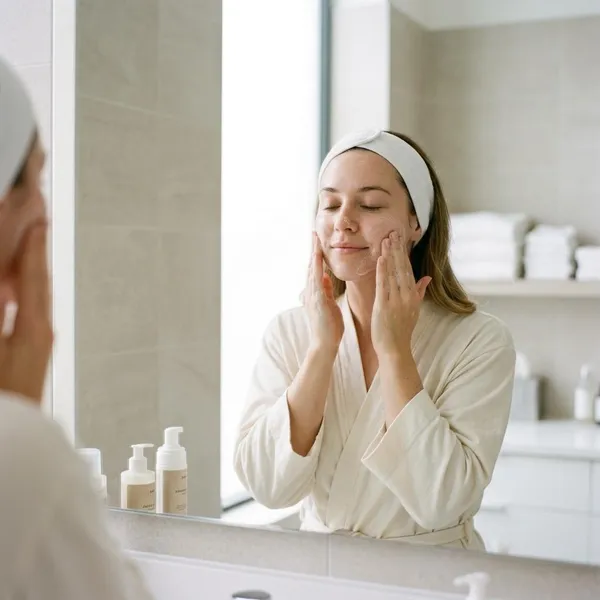
How to prepare and care for your face
Good preparation lowers the chance of irritation, burns, and uneven results. Facial skin is exposed to sun, makeup, active skincare, shaving, and weather, so small habits before and after treatment can make a noticeable difference.
Follow shaving and skincare instructions
Most clinics ask you to stop waxing, threading, or tweezing before laser because the follicle needs to remain in place. Shaving is usually the preferred option because it removes surface hair while leaving the target below the skin.
- Do not pluck before treatment unless your provider specifically says otherwise.
- Pause strong actives when advised, such as retinoids, acids, scrubs, or peels.
- Arrive with clean skin, without makeup, heavy creams, or self-tanner on the area.
Avoid tanning as directed
Tanning makes facial laser riskier because extra pigment in the skin can absorb more heat. That includes sun tanning, tanning beds, and sometimes self-tanner, depending on the clinic's rules.
If you are treating in summer or you work outdoors, be honest about your sun exposure. A postponed appointment is frustrating, but it is better than treating skin that is temporarily too reactive or pigmented for safe settings.
Follow cleansing and sun protection advice
After treatment, keep skincare boring for a short while: gentle cleanser, simple moisturizer if needed, and consistent broad-spectrum sunscreen. Avoid adding exfoliants, strong acne products, fragranced products, or heavy makeup while the skin is still warm, red, or tender.
Makeup timing depends on your skin's reaction and your provider's advice. If the area is calm, light makeup may be allowed sooner; if it is red or sensitive, waiting 24 to 48 hours is often the safer choice.
Report burns or worsening reactions
Do not try to manage a worsening reaction with random skincare. Increasing pain, blisters, oozing, spreading swelling, thick crusting, or heat that does not settle should be reported quickly.
Early advice can help reduce the risk of infection, longer-lasting pigment change, or scarring. This is one reason aftercare support matters when choosing a clinic, not just the cost per session.
Conclusion
Facial laser can be a smart choice when the hair is dark, coarse, and in an area that can be treated safely, but it is not the best answer for every facial-hair concern. Check the hair type first, then the skin-tone match, hormonal pattern, and safety of the treatment area. If the hair is pale fuzz or the provider seems casual about risks, it is better to pause and consider another method than to pay for sessions that may not help.
FAQS
Does facial laser hair removal hurt?
It can sting, especially on the upper lip. Most people describe it as quick snaps of heat, and cooling during treatment can make it easier to tolerate.
Can you wear makeup after treatment?
Only if your skin has calmed and your provider allows it. If the area is red, hot, or tender, skip makeup for the day and keep skincare simple.
Is electrolysis an option for light facial hair?
Yes. Electrolysis can treat light, gray, red, or white hairs because it does not rely on hair pigment, though it is slower because each follicle is treated individually.

Popular Articles