How Can You Remove Bikini Hair Without Irritating Skin?
If your bikini area gets red, itchy, or bumpy easily, the safest routine is usually the one that removes the least hair while causing the least friction. Trimming is the gentlest option, careful shaving can work if you keep it slow and well-lubricated, and IPL or laser may be worth considering when repeated shaving keeps triggering irritation.
How to shave sensitive bikini skin with less irritation
Shaving sensitive bikini skin is possible, but the goal should be a comfortable shave rather than the closest possible shave. The biggest problems usually come from dry shaving, dull blades, too many passes, or shaving over skin that is already sore.
Think of shaving as a low-friction routine: soften the hair, add enough slip, use a clean blade, shave with the growth pattern, and stop before the skin feels overworked.
Soften the hair with warm water
Warm water makes coarse bikini hair easier to cut, so the razor does not need as much force. A shower works well, or you can hold a warm damp cloth on the area for a few minutes before shaving.
If the hair is longer, trim it first. Long hair clogs the blade quickly, which leads to tugging and repeated strokes over the same patch of skin.
Apply a sensitive-skin shaving gel
A fragrance-free shaving gel or cream gives the blade a smoother path and helps protect the skin barrier. Ordinary body wash often feels slippery at first but does not always give enough cushion for the bikini line.
Use enough product so the area stays coated. If the razor starts dragging, add more gel instead of pressing harder.
Use a clean, sharp razor
A sharp razor should cut hair cleanly without pulling. Replace the blade when it starts skipping, tugging, or leaving more redness than usual.
- If you get razor burn: try fewer blades or a guarded bikini razor.
- If you get ingrown hairs: avoid shaving too close and do not go against the grain.
- If you nick easily: slow down and use shorter strokes instead of rushing through curved areas.
Shave in the direction of hair growth
For sensitive skin, shaving with the direction of hair growth is usually the safer choice. It may leave a tiny bit of texture, but it lowers the risk of bumps and trapped hairs compared with shaving against the grain.
The bikini area often has mixed growth directions, so check small sections before shaving. If you are shaving for a one-day event, resist the temptation to chase a perfectly bare finish with extra passes; that is often when irritation shows up later.
Use light pressure and fewer passes
Let the blade glide rather than scrape. One careful pass is usually better than several "cleanup" passes over the same spot.
- Trim longer hair first.
- Soften the area with warm water.
- Apply fragrance-free shaving gel.
- Shave with the hair growth.
- Rinse the blade often.
- Stop if the skin starts to sting.
Rinse, pat dry, and moisturize
After shaving, rinse away leftover gel and loose hairs with cool or lukewarm water. Pat dry with a clean towel instead of rubbing, then apply a thin layer of gentle fragrance-free moisturizer.
For the rest of the day, keep things simple: soft underwear, less friction, and no scented products on the freshly shaved area.
Can IPL help with sensitive bikini skin?
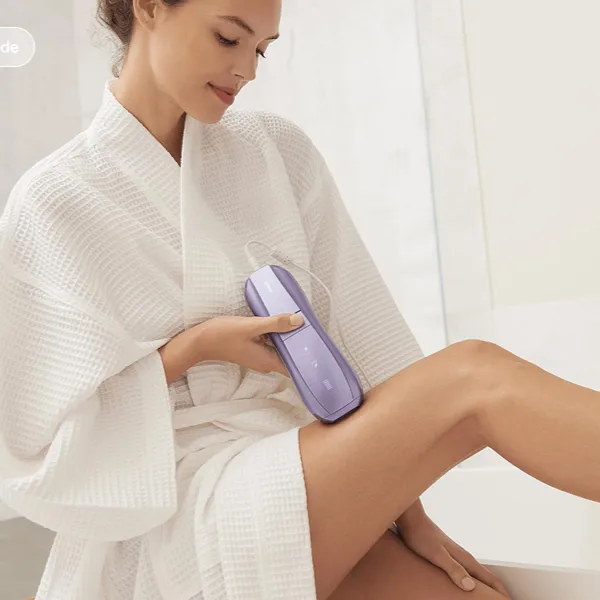
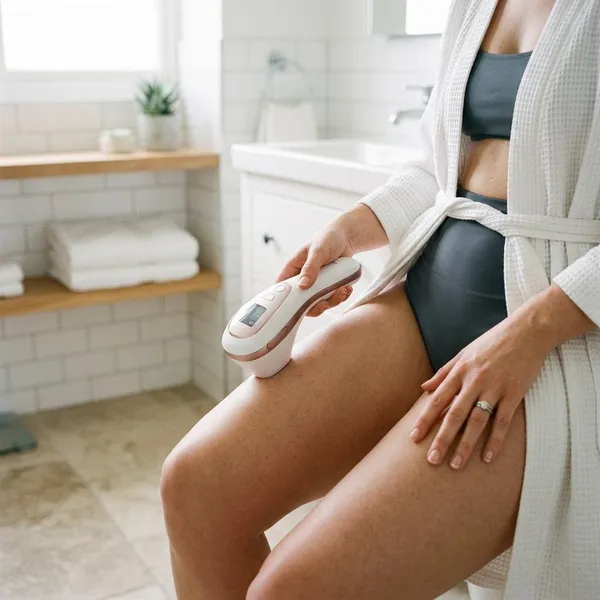
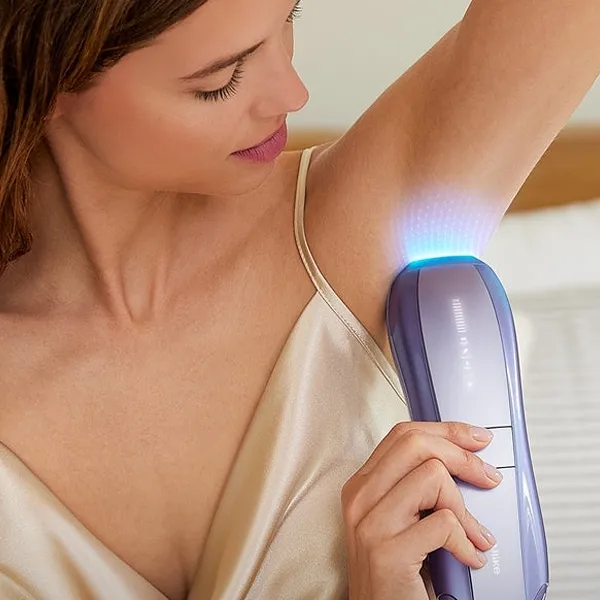
IPL may help if your main problem is irritation from shaving too often. It does not give instant smoothness, but when it works well, it can reduce regrowth over time and make maintenance less stressful for reactive skin.
This is usually more relevant for someone who shaves regularly and keeps getting bumps than for someone who only removes bikini hair once in a while. Occasional grooming may not justify the cost, time, or extra safety checks that IPL requires.
IPL can reduce the need for frequent shaving
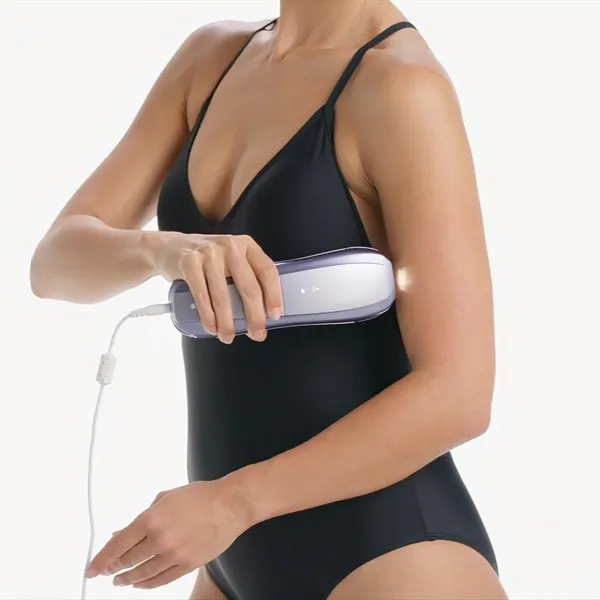
IPL targets pigment in the hair and gradually slows regrowth. If you normally shave every few days and your skin never fully calms down between sessions, reducing how often you need a razor can make a real difference.
It is not a quick fix before a vacation tomorrow. During the early stage, you may still need to trim or shave, but the long-term aim is fewer blade passes and fewer chances for irritation.
Results depend on skin tone and hair color
IPL usually works best when there is a clear contrast between hair pigment and skin tone, such as darker hair on lighter skin. Very light blonde, gray, red, or white hair may respond poorly because there is less pigment for the light to target.
Check the device's skin tone and hair color chart, then use the recommended setting rather than the strongest one. Sensitive skin is not the place for trial-and-error intensity.
At-home IPL should only be used on approved bikini areas
Use at-home IPL only on the bikini zones allowed by the manufacturer, often the outer bikini line rather than all intimate skin. Avoid treating broken skin, active rashes, fresh razor burn, or recently sun-exposed areas.
A patch test is worth doing even if the device says the area is suitable. Treat a small approved spot first, wait as instructed by the brand, and only continue if the skin stays calm.
Consistent treatments are needed for lasting reduction
IPL works gradually because hair grows in cycles. Skipping sessions can make progress feel slow, so it suits people who are willing to follow a routine rather than those who want a one-time solution.
If the idea of scheduled treatments sounds unrealistic, trimming plus occasional careful shaving may be a better everyday plan. If you are tired of year-round bumps from frequent shaving, a consistent IPL routine may be more practical in the long run.
How to prevent irritation after bikini hair removal
Aftercare matters because the skin can stay more reactive even when it looks fine right after hair removal. The first day is mainly about reducing friction, avoiding strong products, and giving the skin time to settle.
Apply a gentle fragrance-free moisturizer
Use a plain, fragrance-free moisturizer once the area is clean and dry. Avoid exfoliating acids, strong essential oils, perfumed body lotions, or "tingly" products right after shaving or cream removal.
A thin layer is enough. Heavy product can feel sticky under underwear and may make heat or sweating more uncomfortable.
Wear loose, breathable clothing
Loose cotton underwear, relaxed shorts, or soft sleepwear can prevent a mild reaction from turning into soreness. This matters even more in summer, after workouts, or when you will be walking a lot.
Tight leggings, shapewear, lace, and thong styles are better saved for when the skin has settled.
Avoid rubbing or scratching the area
Itching does not mean the area needs scrubbing. Try a cool compress for a few minutes or change into softer clothing before adding more products.
- Skip rough scrubs: they can irritate freshly treated follicles.
- Avoid repeated checking: touching the area can add friction.
- Do not scratch bumps open: broken skin is more likely to become painful or inflamed.
Give irritated skin time to recover before removing hair again
If the area is red, sore, bumpy, or stinging, wait before shaving, using cream, or doing IPL. Removing hair over irritated skin usually keeps the cycle going.
For short-term tidying, use a trimmer instead of a close shave. If irritation comes back every time, that is a sign to change the method rather than keep improving tiny details of the same routine.
- Choose trimming when comfort matters more than a completely smooth finish.
- Patch test creams and use only products made for the outer bikini area.
- Ask about laser if ingrown hairs or painful bumps keep returning despite gentle care.
Conclusion
The best choice is the one your skin can tolerate repeatedly, not the one that gives the smoothest result once and leaves you irritated for days. Start with the gentlest workable method, shave only with proper prep when you need a closer finish, and consider IPL or laser if frequent shaving is the real trigger. When the skin is already angry, trimming and waiting are usually smarter than pushing through another removal session.
FAQS
How often should you shave a sensitive bikini area?
Shave only after the skin has fully calmed from the last session. If daily or every-other-day shaving causes bumps, stretch the gap or switch to trimming between closer shaves.
Can you use IPL on sensitive bikini skin?
Yes, if the device is approved for the bikini area and suits your skin tone and hair color. Do a patch test first and avoid IPL on irritated, broken, or sun-exposed skin.
When should bikini-area irritation be checked by a dermatologist?
Get medical advice if irritation is severe, spreading, painful, producing pus, leaving worsening dark marks, or not improving after several days of gentle care.

Popular Articles