What Is the Best Facial Hair Removal for Sensitive Skin?
If your face gets red, stingy, or bumpy after hair removal, the best product for facial hair removal for sensitive skin is usually the one that reduces irritation first and hair second. For long-term reduction, Ulike Air 10 is the strongest option here; for a lower-cost IPL route, Ulike Air 4 makes sense; for quick peach fuzz removal, a simple facial razor is often enough. Depilatory creams can work, but they are the least forgiving choice on reactive facial skin.
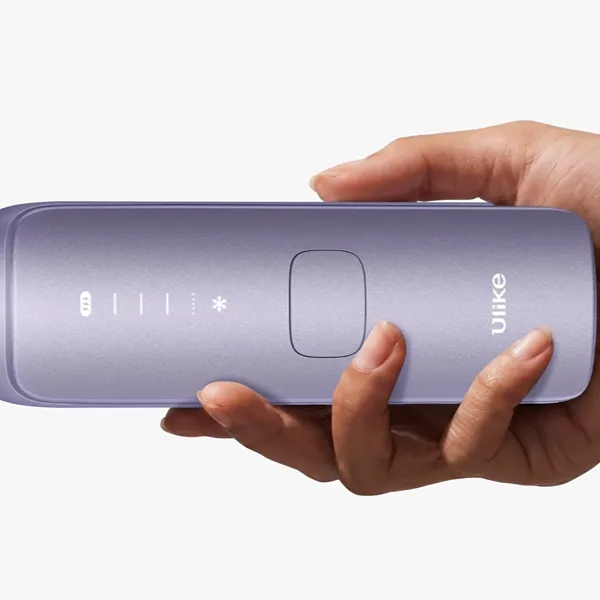
Best facial hair removal products for sensitive skin
The first thing to decide is not which product removes the most hair. It is how often your skin can handle being treated. Someone who only removes peach fuzz before makeup needs a different tool from someone dealing with recurring upper-lip or chin hair every few days.
Ulike Air 10 for long-term hair reduction
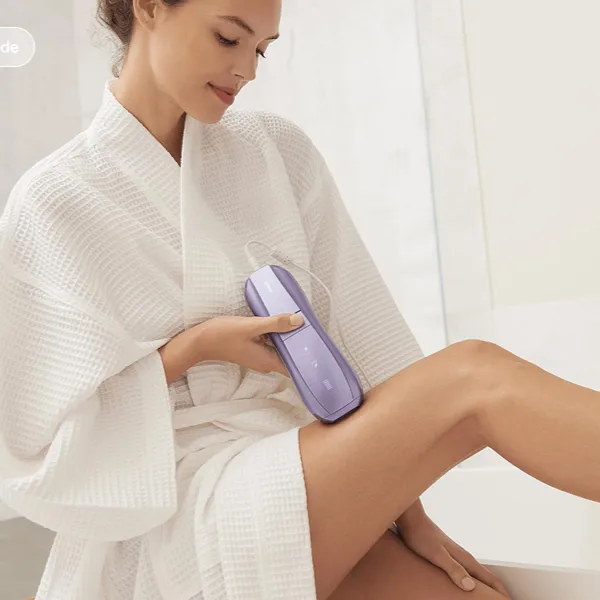
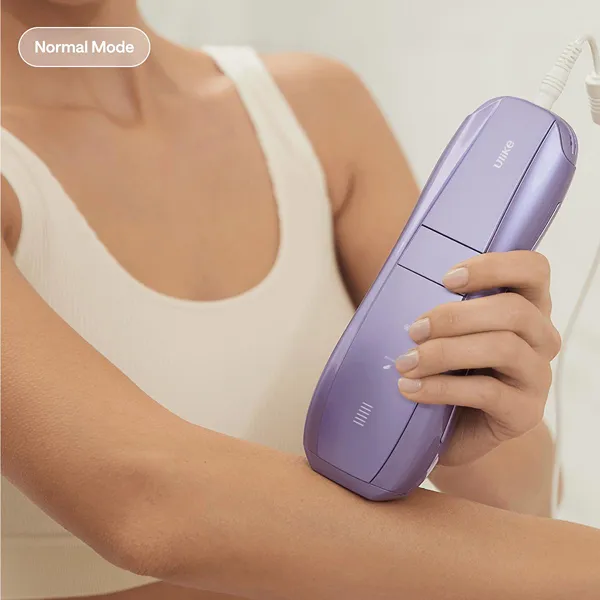
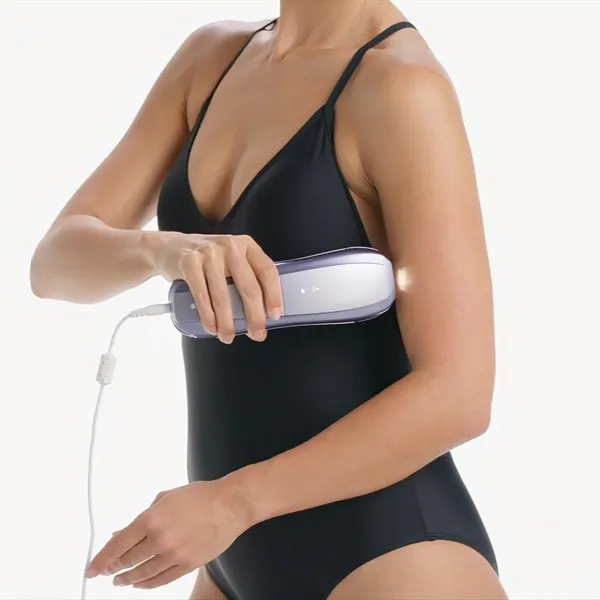
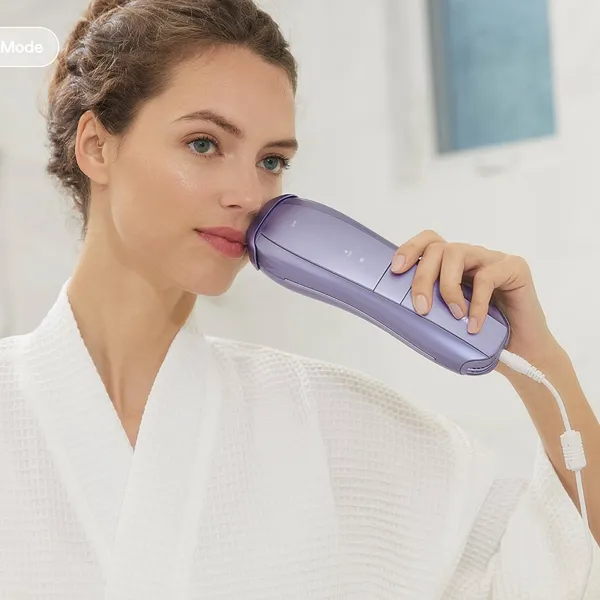
Ulike Air 10 is the best fit if your main problem is repeated upkeep. It is designed for at-home IPL, so it does not give the instant smoothness of shaving, but it can be a better match for people whose skin gets irritated every time they remove the same upper-lip or chin hair.
The useful part for sensitive facial skin is the combination of cooling and control. Start on a conservative setting, treat only suitable areas, and judge your skin the next day rather than during the session only. If redness lingers or the area feels hot, that is a sign to pause instead of increasing intensity.
Ulike Air 4 for a lower-cost IPL option
Ulike Air 4 suits someone who wants the IPL approach but does not want to buy the higher-priced model. It is still for gradual reduction, not emergency touch-ups, so it makes more sense for a regular routine than for removing hair the morning of a wedding, photo day, or work event.
- Choose it for: recurring hair that makes you shave or trim too often.
- Skip it for now: irritated, sunburned, broken, or recently exfoliated skin.
- Be realistic: consistency matters more than using a stronger setting too soon.
A facial razor for peach fuzz
A facial razor is often the simplest choice for peach fuzz because it is fast, cheap, and does not involve depilatory chemicals or device heat. It is especially useful when you want makeup to sit more smoothly or you need a quick tidy-up before going out.
The mistake is treating it like body shaving. Use a fresh facial blade, keep pressure light, and stop once the area looks clean enough. For coarse chin hair that grows back quickly or causes bumps, a razor may still work short term, but IPL is usually the better long-term conversation.
Why sensitive skin needs gentler hair removal
Sensitive skin reacts not only to the product, but also to the whole process: rubbing, wiping, heat, pressure, residue, and what you put on afterward. That is why a product labeled "gentle" can still leave your face red if the technique is too aggressive.
A practical rule is to judge a method by the recovery time. If your skin looks normal within a few hours and feels calm the next day, it is probably a workable option. If redness, warmth, dryness, or bumps are still there the next day, the method or technique is too much for your current skin condition.
A weaker skin barrier
When the skin barrier is already dry, over-exfoliated, or weather-stressed, even a mild hair-removal method can feel harsh. If your face is flaking, burning from skincare, or tight after washing, delay hair removal until the skin feels settled.
Greater product sensitivity
Depilatory creams need the most caution because facial skin may react to the ingredients that dissolve hair. A cream should be labeled for facial use, patch tested first, and removed within the instructed time. If your skin often stings from new skincare, a razor or IPL routine may be easier to control.
Higher friction response
Friction is the hidden trigger in many bad reactions. A single light razor pass may be fine, while five tiny "fixing" passes over the same spot can leave the upper lip red for hours. The same applies to rubbing off cream or wiping the skin too hard afterward.
Longer-lasting redness
Sensitive skin can look fine right after treatment and become blotchy later. This is why removing facial hair at night is often smarter than doing it right before makeup, sun exposure, or exercise. If you have an important event, test the method on a quiet day first.
Increased bump risk
Bumps usually come from a mix of irritation, follicle inflammation, residue, and repeated touching. Coarse chin hair is a common trouble spot because regrowth can feel rough quickly. If bumps keep returning after shaving or plucking, switch from chasing daily smoothness to a plan that reduces repeated trauma.
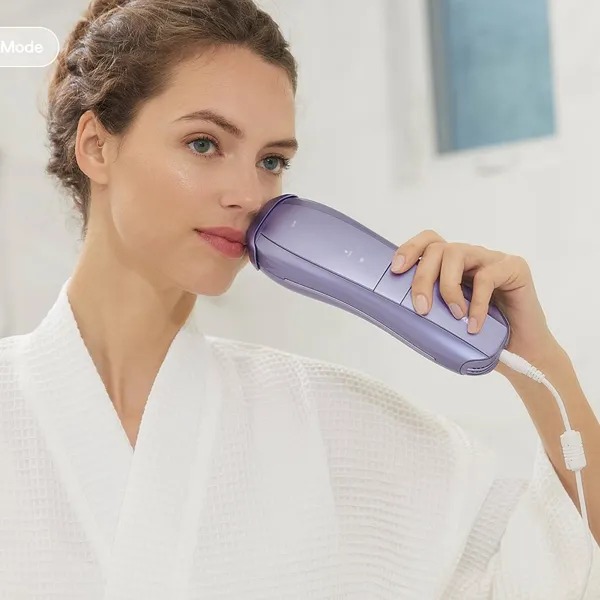
Why choose Ulike Air 10 for sensitive facial skin
Ulike Air 10 is worth considering when your current routine is not just inconvenient but irritating. The appeal is not that IPL is instantly gentle for everyone; it is that successful long-term reduction can mean fewer shaving, trimming, or cream sessions later.
It is still important to be selective. IPL is not suitable for every skin tone and hair color combination, and it should not be used over irritated or damaged skin. If your facial hair is very fine and pale, or if your skin is currently reactive, check suitability carefully before building a routine around it.
Cooling during treatment
Cooling can make a big difference on areas that feel heat quickly, such as the upper lip. It may help the session feel more comfortable, but it should not be treated as permission to use a high setting on sensitive skin.
Adjustable treatment modes
Adjustable modes are useful because the face is not one uniform area. Your chin may tolerate a setting that feels too sharp near the mouth. Begin lower than you think you need, then only adjust if your skin stays calm afterward.
Automatic skin sensing
Automatic skin sensing helps reduce some user error by supporting better contact and treatment consistency. It is helpful for small facial zones, but it does not replace reading the instructions or avoiding areas that should not be treated.
Long-term hair reduction
The main reason to choose Air 10 over a razor is long-term reduction. If you are dealing with the same dark upper-lip or chin hairs again and again, reducing regrowth can be more skin-friendly than scraping the area every few days.
For occasional peach fuzz, this may be more device than you need. For year-round upkeep where irritation keeps coming back, it becomes a more sensible investment.
Less frequent upkeep
Less upkeep matters because every session is another chance to trigger redness, dryness, or bumps. If Air 10 helps you reduce how often you remove hair, the benefit is not only convenience; it is giving sensitive skin fewer opportunities to react.
How to remove facial hair without irritation
The safest routine is usually boring: clean skin, one careful method, no rushing, and simple aftercare. Most irritation comes from stacking too many stressors at once, such as shaving after exfoliating, using a cream on already dry skin, or doing IPL and then spending the afternoon in strong sun.
Start with clean, dry skin
Remove makeup, sunscreen, sweat, and heavy skincare before hair removal. Then let the skin dry fully so a razor, cream, or IPL device behaves predictably. Damp or slippery skin often leads to extra passes, and extra passes are where sensitive skin gets annoyed.
Patch test new products
Patch test anything new, especially creams and IPL devices. Choose a small area that is easy to hide, then wait long enough to catch delayed redness, bumps, or stinging. A clean patch test is not a guarantee, but a bad one tells you not to use that method on a more visible area.
Follow the time limits
Do not leave a facial hair removal cream on longer than directed, even if a few hairs remain. With IPL, do not treat the same spot repeatedly to force faster results. Sensitive skin usually punishes "just a little more."
Avoid repeated passes
If you are using a facial razor, one light pass is the goal. If you are wiping away cream, remove it gently instead of scrubbing. If you are using IPL, follow the device schedule rather than adding extra flashes because the area is small.
Soothe the skin afterward
Aftercare should be familiar and minimal. Use a bland moisturizer your skin already likes, then leave the area alone. This is not the moment to test a new serum, exfoliating toner, or fragranced balm.
Protect skin from sun
Freshly treated facial skin can be more prone to redness and uneven-looking marks, especially around the upper lip. Use a sunscreen you already tolerate, and avoid planning hair removal right before a long day of direct sun, heat, or heavy sweating.
Conclusion
The best choice is the one your skin can tolerate repeatedly, not the one that sounds strongest. Pick Ulike Air 10 if long-term reduction and comfort features matter most, Ulike Air 4 if you want a lower-cost IPL option, and a facial razor if you mainly need quick peach fuzz removal. Be most cautious with creams, and if your skin is already irritated, waiting is usually the smartest hair-removal step.
FAQS
Is IPL gentler than shaving for sensitive skin?
It can be gentler over time because successful IPL may reduce how often you need to remove hair. It is not automatically gentler on day one, so start conservatively and make sure your skin and hair type are suitable.
Can facial hair removal trigger a breakout?
Yes, especially if the skin is rubbed, treated repeatedly, or left with residue afterward. Clean tools, light pressure, and simple aftercare lower the risk.
How long should sensitive skin rest between treatments?
Wait until redness, stinging, bumps, or dryness have fully settled before treating the same area again. If your skin still feels warm or tight, give it more time rather than forcing the next session.


Popular Articles