Which Facial Hair Removal Methods Suit Women Over 60?
The best facial hair removal for women over 60 is usually the gentlest method that matches the hair, not the most aggressive one. Dermaplaning works well for soft peach fuzz, an electric facial trimmer is easiest for a few coarse chin hairs, Ulike IPL may help with dark facial hair if your skin and hair color are compatible, and electrolysis is the strongest option for gray, white, or truly permanent removal.
What is the best facial hair removal for women over 60?
Start by checking two things: the color of the hair and how your skin reacts to friction, heat, or pulling. Mature facial skin can be drier and slower to calm down after irritation, so a method that looks "stronger" is not always the better choice.
For everyday grooming, many women do best with a mix: dermaplaning for soft cheek fuzz, a small trimmer for stubborn chin or upper lip hairs, and electrolysis for hairs they never want to keep dealing with. IPL sits in the middle: it can be useful for longer-term reduction, but only when the hair has enough pigment for the light to target.
Dermaplaning for fine peach fuzz
Dermaplaning is a good first choice when the hair is soft, light, and spread across the cheeks, upper lip area, or sides of the face. It removes surface fuzz with a small facial blade and gives a smoother finish, especially if foundation or powder tends to cling to tiny hairs.
It is best treated as gentle grooming, not deep exfoliation. Use light strokes, avoid repeatedly scraping the same patch, and skip it when your skin is sunburned, cracked, inflamed, or reacting to active skincare.
Electric facial trimmers for easy maintenance
An electric facial trimmer is often the most realistic option for regular maintenance because it cuts hair at the surface without pulling the skin. If you notice two wiry chin hairs before leaving the house, a trimmer is faster and kinder than trying to wax a whole area for a tiny problem.
The trade-off is that trimming is temporary. The benefit is control: you can use it often, target only the visible hairs, and avoid the redness that sometimes follows tweezing, waxing, or depilatory creams.
Ulike IPL for suitable dark facial hair
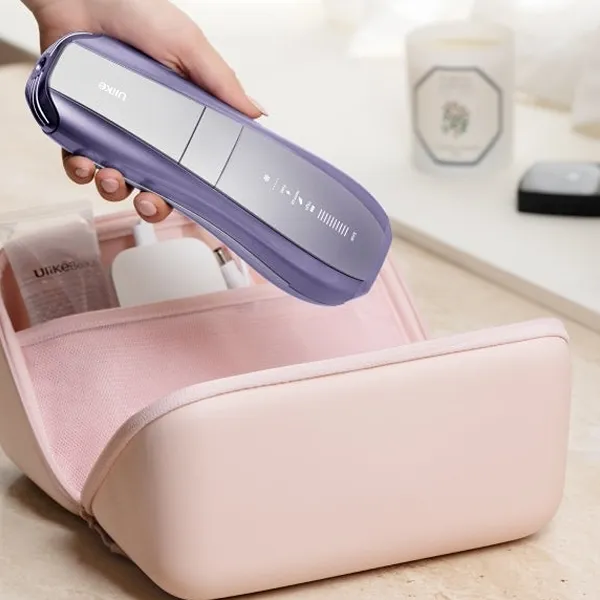
Ulike IPL may be worth considering when facial hair is brown or black and your skin tone falls within the device's recommended range. IPL relies on contrast between the hair pigment and surrounding skin, so it is not a good match for every woman over 60.
Electrolysis for permanent removal
Electrolysis is the most dependable route for permanent facial hair removal because it treats individual follicles and does not rely on hair pigment. That makes it especially useful when facial hair has turned gray, white, silver, or mixed after menopause.
It does take patience. A few coarse hairs may be manageable with short appointments, while a larger area usually needs repeated sessions because hair grows in cycles. For women tired of trimming the same stubborn hairs every week, that time commitment can still be worth it.
Which method works best for different facial hair?
The easiest way to choose is to stop thinking of facial hair as one problem. Peach fuzz, coarse chin hairs, dark upper lip hair, and white hairs behave differently, so they should not automatically get the same treatment.
| Facial hair type | Best-fit method | Why it makes sense |
|---|---|---|
| Fine peach fuzz on cheeks | Dermaplaning | Smooths a wider area without pulling. |
| A few coarse stray hairs | Electric trimming | Quick, precise, and low irritation. |
| Dark chin or upper lip hair | IPL or electrolysis | IPL may reduce dark hair over time; electrolysis is more permanent. |
| Gray or white hair | Electrolysis | Light-based devices usually cannot target hair without pigment. |
When is Ulike IPL a good option after 60?
Ulike IPL is a good option after 60 only when the hair, skin tone, and goal all line up. The hair needs enough pigment, the device must be appropriate for your skin tone and facial area, and you need to be comfortable with gradual reduction rather than immediate removal.
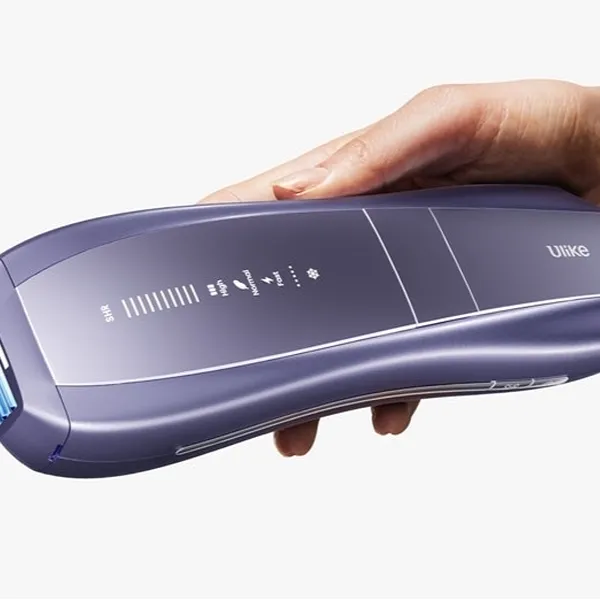
Before using Ulike IPL on the face, follow the facial-use instructions for your specific model. Use it only on approved areas below the cheekbones, such as the upper lip, chin, or jawline, and never use it around the eyes.Before your first full treatment, perform a patch test as directed in the instructions for your specific Ulike model and make sure your skin shows no adverse reaction before continuing.
Hair is dark enough for IPL to target
Dark hair is the starting point for IPL. Brown to black facial hair is more likely to absorb the light energy needed for reduction, while gray, white, red, and very light blonde hair generally does not contain enough of the type or amount of melanin that IPL can target effectively.
This matters if your facial hair is mixed. For example, IPL may help a few dark upper lip hairs but do little for the white chin hairs beside them. In that case, using IPL for the dark hairs and trimming or electrolysis for the light hairs is more realistic than expecting one tool to do everything.
Skin and hair colors are compatible with the device
Compatibility is not a detail to skip. Check the device's skin tone and hair color chart before treating your face, and do not guess if your skin tone is near the edge of the recommended range.
The goal is longer-term hair reduction
IPL fits best when you are trying to reduce how often dark facial hair returns. It is not the right choice for a last-minute smooth finish, because visible hairs may still need trimming or shaving while the IPL routine builds results.
Hair is not gray, white, red, or very light blonde
If the hairs you care about most are gray, white, red, or very light blonde, Ulike IPL is usually not the best use of your time or budget. A trimmer will be more dependable for daily control, and electrolysis is the better route if you want those light hairs treated more permanently.
How to remove facial hair safely at home
At-home facial hair removal is safest when you prepare the skin, use a clean tool, and stop before the skin feels sore. The common mistake is trying to get a "perfect" result by pressing harder or going over the same area again and again.
Use a gentler routine for higher-risk days. If your face is sunburned, wind-chapped, newly exfoliated, irritated from retinoids, or flaring with rosacea or eczema, wait until it feels calm. If you are doing hair removal before a wedding, photos, or travel, avoid trying a brand-new method the night before; test it earlier so you know how your skin reacts.
Start with clean, calm skin
Wash with a mild cleanser, remove makeup and sunscreen, and let the skin dry fully before trimming or dermaplaning. If the skin stings when you apply plain moisturizer, it is not a good day to remove facial hair.
Use a clean facial tool
A clean tool matters more on older skin because small irritation can linger. Replace dull dermaplaning blades, remove hair buildup from trimmer heads, and follow the cleaning instructions for any electric device.
- Blade drags instead of glides: replace it.
- Trimmer pulls or pinches: clean the head and check for damage.
- Tool has been stored loose in a drawer: sanitize or replace before using it on the face.
Work gently with light pressure
Light pressure is enough. Pressing harder does not remove hair better; it mainly increases the chance of redness, tiny cuts, and over-exfoliation. Use good lighting, short movements, and stop once the visible hair is gone.
Moisturize after hair removal
After hair removal, choose a simple, fragrance-free moisturizer rather than strong acids, scrubs, or retinoids right away. The goal is to calm and support the skin barrier, not add another treatment on top of freshly worked skin.
Protect the skin with sunscreen
Sunscreen is especially important after dermaplaning or shaving because freshly smoothed skin may be more sensitive to UV exposure. If you will be outside, apply broad-spectrum SPF and avoid treating sunburned skin in the first place.
Conclusion
The smartest choice is usually the one that solves your main hair problem with the least irritation: dermaplaning for soft fuzz, trimming for quick control, Ulike IPL for suitable dark hair, and electrolysis for gray, white, or permanent removal. If you are unsure, start with the gentlest temporary method first, then move to IPL or electrolysis only when the hair type and long-term goal make sense.
FAQS
How should older women remove facial hair?
Older women should usually start with low-irritation methods such as dermaplaning for fine fuzz or an electric trimmer for stray coarse hairs. If the hair keeps returning and bothers you enough to want a longer-term solution, choose between IPL and electrolysis based mainly on hair color.
Is dermaplaning safe for mature skin?
Dermaplaning can be safe for mature skin when the skin is calm and the tool is clean and sharp. Avoid it during irritation, sunburn, active flaking, or a strong reaction to skincare.
What works best for gray or white facial hair?
Electrolysis works best for gray or white facial hair because it does not need pigment to target the follicle. For simple temporary control at home, an electric facial trimmer is usually the easiest backup.



Popular Articles