Which facial hair removal method suits your skin?
The best face hair removal method depends on what bothers you most: quick peach-fuzz touch-ups, coarse chin hairs that keep coming back, sensitive skin, or longer-term reduction. For most people, shaving or dermaplaning is easiest for fine hair, waxing or epilation lasts longer, IPL can reduce regrowth over time when skin tone and hair color are suitable, and laser or electrolysis are better when you need professional help.

What is the best face hair removal method
Start with the problem you actually have. Fine peach fuzz on the cheeks is usually a different decision from dark upper-lip hair or a few coarse chin hairs after hormonal changes. The best choice is the one that matches your hair type, your skin tolerance, and how much upkeep you are willing to do.
Facial shaving for painless touch-ups
Facial shaving is the low-commitment option: fast, inexpensive, and usually painless when you use a clean facial razor with light pressure. It works especially well for peach fuzz, last-minute touch-ups before makeup, or anyone who wants hair gone today without redness from pulling.
The trade-off is upkeep. Because shaving cuts hair at the surface, regrowth can feel noticeable within a few days. If you only care before an event, that may be fine; if you are checking the same upper-lip or chin area every morning, a longer-lasting method may save more time.
Waxing or epilation for longer results
Waxing and epilation remove hair from the root, so results usually last longer than shaving. They can be useful for upper-lip hair or small facial areas where frequent shaving feels tedious.
- Best fit: coarse or visible hairs that are easy to grip.
- Be careful if: you use retinoids, exfoliating acids, acne treatments, or have easily inflamed skin.
- Common mistake: waxing already-irritated skin because the hair is bothering you that day.
If your skin often reacts with burning, peeling, or dark marks after irritation, waxing may be too aggressive for regular facial use.
Ulike IPL for long-term at-home reduction
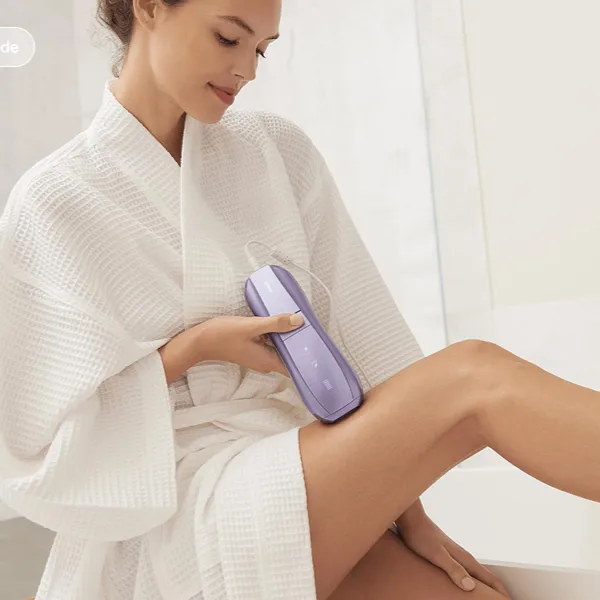
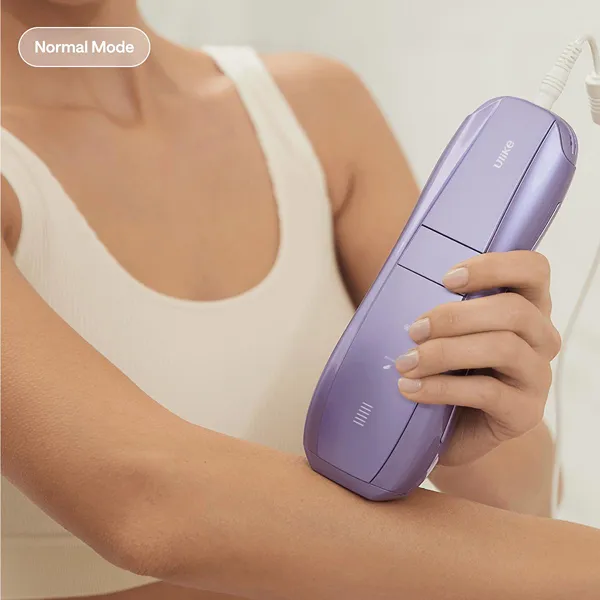
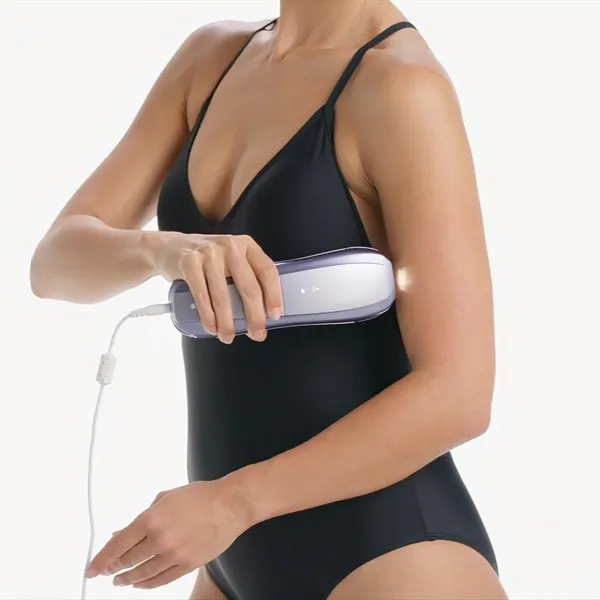
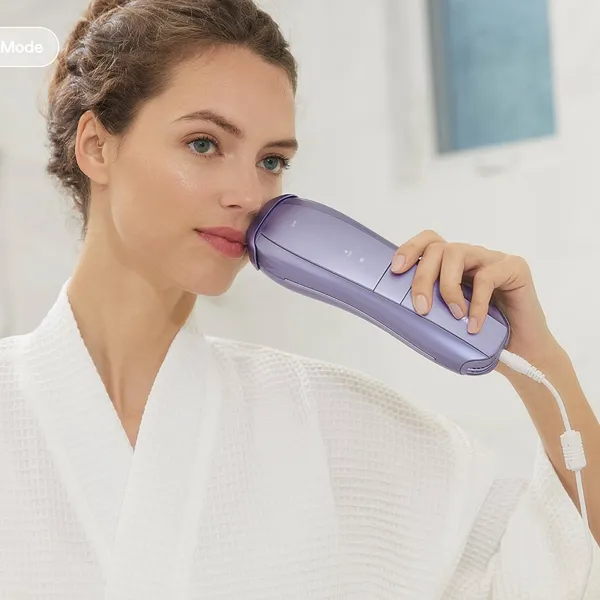
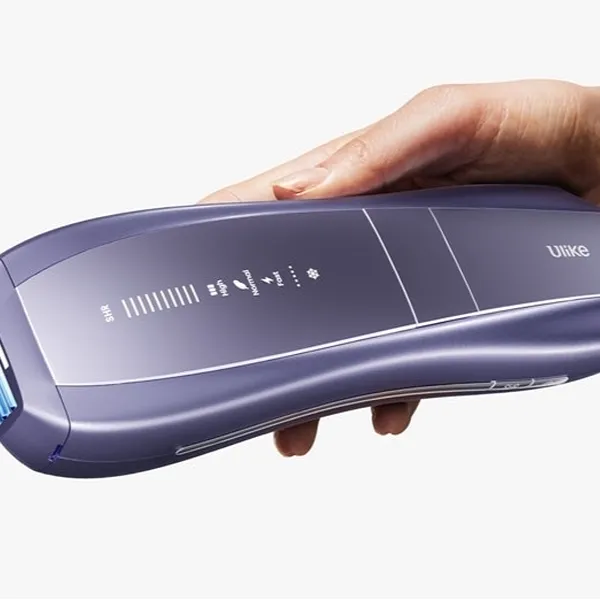
Ulike IPL is for people who want less regrowth over time rather than just a smooth face for a few days. You typically shave first, then use the device consistently on approved facial areas so the light can target pigment in the hair.
It is most promising when there is enough contrast between hair and skin, such as darker hair on a lighter to medium skin tone. It is usually not the practical choice for pale peach fuzz, white hair, gray hair, red hair, or very light blonde hair because light-based devices need pigment to target.
Laser or electrolysis for professional treatment
Professional laser hair removal is worth considering when facial hair is dark, recurring, and too annoying to manage with temporary methods. Electrolysis is more precise and can treat individual follicles, including hairs that light-based methods may not handle well.
For a few stubborn chin hairs, electrolysis may be more targeted than treating a wide area. For broader dark upper-lip or jawline growth, a licensed provider can help you compare laser, electrolysis, and whether hormones may be affecting regrowth.
Why choose Ulike Air 10 for facial hair
Ulike Air 10 makes the most sense if you want an at-home option between quick surface removal and clinic treatments. It is not a magic fix for every face or every hair color, but for suitable users, it can make upper-lip or chin maintenance feel less constant.
Think of it as a longer-term routine, not a one-night solution. If you need hair removed before dinner tonight, shave or dermaplane. If you are tired of the same dark hairs showing up again and again, IPL may be worth considering.
Long-term hair reduction
The main reason to choose Ulike Air 10 is reduction, not instant removal. With repeated use, IPL aims to slow the growth cycle so treated hair may come back finer, lighter-looking, or less often.
- Good scenario: dark upper-lip hair that needs constant touch-ups.
- Less ideal scenario: soft blonde peach fuzz that mainly affects how makeup sits.
- Expectation check: facial hair can be influenced by hormones, so maintenance may still be needed.
Cooling during treatment
Cooling matters on the face because even mild heat can feel more intense around the mouth, chin, and jawline. A cooling feature can make regular sessions easier to tolerate, which is important because inconsistent IPL use usually leads to disappointing results.
At-home convenience
The practical appeal is control. You can treat a small approved area without booking appointments, traveling, or discussing facial hair with someone else if you would rather keep it private.
This is especially useful for people who maintain facial hair year-round. For occasional summer-only or event-only touch-ups, a razor may be simpler; for recurring visible regrowth, a home device can fit better into a normal routine.
Less frequent upkeep
If Ulike Air 10 works well for your hair and skin, the biggest everyday benefit is fewer urgent touch-ups. That can matter before work, travel, photos, or any situation where visible upper-lip or chin hair makes you self-conscious.
Treatment for stubborn hair
Stubborn facial hair needs a realistic plan. IPL may help when the hair is dark enough and the treatment area is approved, but it is not the strongest answer for every stubborn case.
Check whether Ulike Air 10 fits you
Before using Ulike Air 10 on your face, check suitability in this order: skin tone, hair color, approved facial zones, eye safety, then patch testing. That order matters because IPL can be a poor choice even if the device is popular and the reviews look good.
Confirm your skin tone
Use the skin tone chart in the device instructions before treating your face. IPL depends on the device being able to target hair pigment without putting too much energy into the surrounding skin.
Recheck if your skin has recently tanned or darkened from sun exposure. A setting or treatment plan that seemed fine in winter may not be the right choice after a sunny holiday or several weeks outdoors.
Check your hair color
Hair color is the next deal-breaker. Dark brown and black hair are usually the best match for IPL, while gray, white, red, and very light blonde hair often do not respond well.
A useful rule: if the hair is hard to see unless light hits it from the side, IPL may not be the best use of your time. If the hair is visibly dark against your skin, it is more likely to be the kind of hair IPL is designed to target, assuming your skin tone is approved.
Follow facial treatment boundaries
Only treat facial areas listed as approved in the Ulike instructions. Do not extend the treatment area because you see extra hair nearby; facial skin is uneven, more exposed, and easier to irritate than many body areas.
- Reasonable use: approved upper-lip, chin, or lower-face zones if your manual allows them.
- Not worth guessing: areas the manual does not name clearly.
Avoid the eyes and eye area
Do not use IPL on eyelids, under the eyes, close to the brows, or anywhere the flash could affect the eye area. For brow shaping or stray hairs near the eyes, choose tweezing, threading, or a small trimmer instead.
Patch test before full treatment
Patch test a small approved facial area first, then give your skin time to show whether it feels hot, itchy, unusually red, or irritated. This is a small step, but it can prevent a very visible mistake.
Patch testing is especially important if your skin is acne-prone, reactive, recently exfoliated, or newly exposed to sun. A calm patch test does not guarantee perfect results, but it gives you a safer starting point than treating the whole area immediately.
How to prevent facial irritation
Facial hair removal goes better when you treat it as a skin-barrier issue, not just a hair issue. The biggest irritation triggers are usually overdoing it, using strong skincare too close to treatment, and ignoring early redness because a few hairs are still visible.
Start with clean skin
Use clean, dry skin unless the product directions say otherwise. Remove makeup, sunscreen, sweat, and oil first, but avoid scrubs or harsh cleansing right before hair removal. Clean is good; stripped and squeaky is not.
Follow the product directions
Directions matter more on the face than on larger body areas. Timing, settings, treatment spacing, and "do not use if" warnings are there to reduce burns, bumps, peeling, and pigmentation marks.
- Depilatory creams: never leave them on longer than directed.
- Wax: avoid if your skin is sensitized from retinoids or strong exfoliants.
- IPL: do not treat the same spot repeatedly to "make it work faster."
Avoid repeated passes
Repeated passes are one of the easiest ways to turn a simple touch-up into redness that lasts. If a razor, epilator, or IPL flash did not catch every hair, stop before the skin feels raw and deal with the leftover hair later or with a gentler precision method.
Soothe the skin afterward
Keep aftercare boring. A fragrance-free moisturizer, simple barrier cream, or gentle aloe product is usually more useful than layering serums on freshly treated skin.
If the area feels warm, tight, or stingy, wait before applying makeup or active skincare. For a low-risk quick shave, your skin may settle fast; after waxing or IPL, it may need a calmer evening.
Pause irritating skincare
Retinoids, AHAs, BHAs, benzoyl peroxide, strong vitamin C formulas, and rough exfoliants can sting or inflame skin after hair removal. Many people do better pausing strong actives for at least a day or two, then restarting only when the skin feels normal.
Protect the skin from sun
Freshly treated facial skin is more vulnerable to irritation and uneven discoloration, especially after waxing, dermaplaning, laser, or IPL. Use sunscreen and avoid unnecessary direct sun when the skin is still sensitive.
If you are doing IPL regularly, sun protection becomes part of the treatment plan, not an optional beauty step. Treating tanned or recently sun-stressed skin can raise the risk of irritation, so adjust your schedule instead of forcing a session.
Conclusion
Choose the method that solves your main problem with the least irritation: shave or dermaplane for fine hair and speed, wax or epilate only if your skin tolerates root removal, consider Ulike IPL for suitable dark facial hair you want to reduce over time, and use professional laser or electrolysis when the hair is persistent or hard to manage at home. The smartest first step is not the strongest method; it is checking your skin, hair color, treatment area, and recovery time before you start.
FAQS
Does shaving make facial hair grow back thicker?
No. Shaving cuts the hair bluntly at the surface, so regrowth can feel sharper for a short time, but it does not change the follicle or make facial hair grow thicker.
Is dermaplaning different from facial shaving?
Yes. Both remove surface hair, but dermaplaning also gives light exfoliation, which is why skin may feel smoother and makeup may sit more evenly afterward.
Can Ulike IPL be used on the upper lip and chin?
It may be used there only if those areas are approved in the device instructions and your skin tone and hair color are suitable. Keep well away from the eyes and patch test before treating a visible area.
What works best for facial hair after menopause?
For a few coarse hairs, tweezing or electrolysis can be practical; for broader dark regrowth, laser or suitable IPL may help reduce maintenance. If hair growth changes suddenly or becomes heavy, it is worth asking a healthcare professional about possible hormonal causes.


Popular Articles