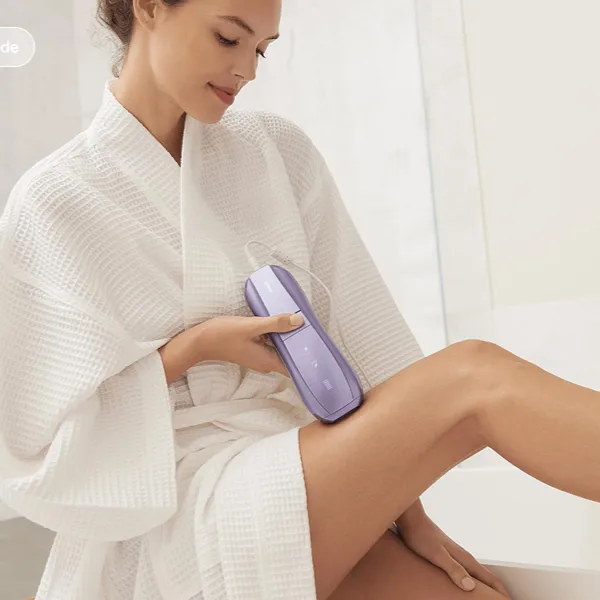
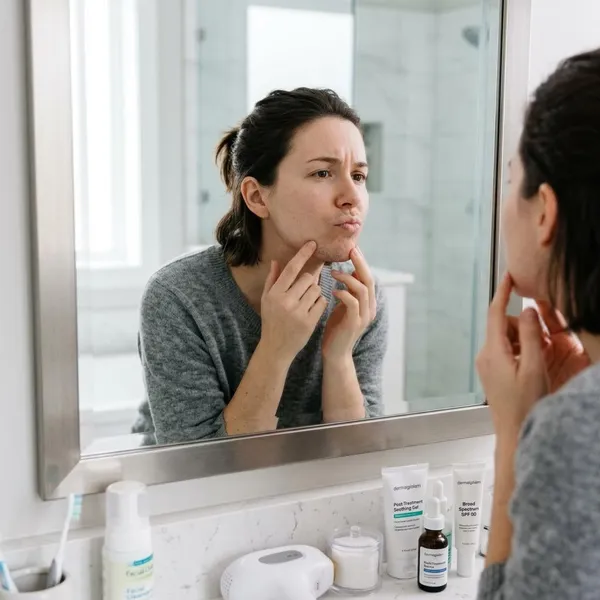
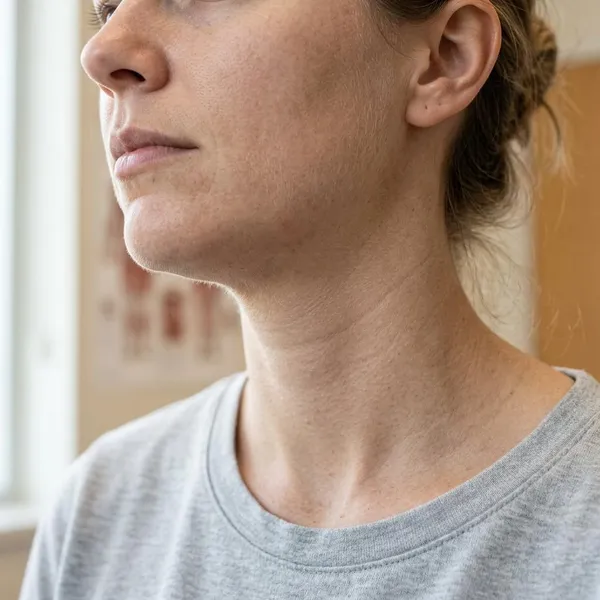
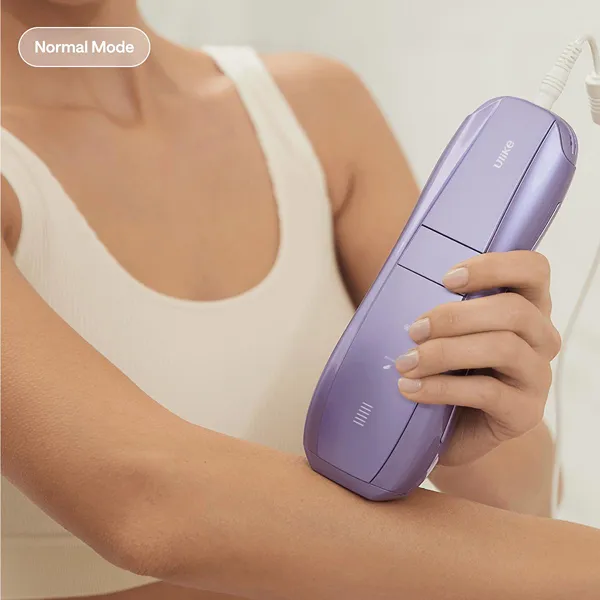
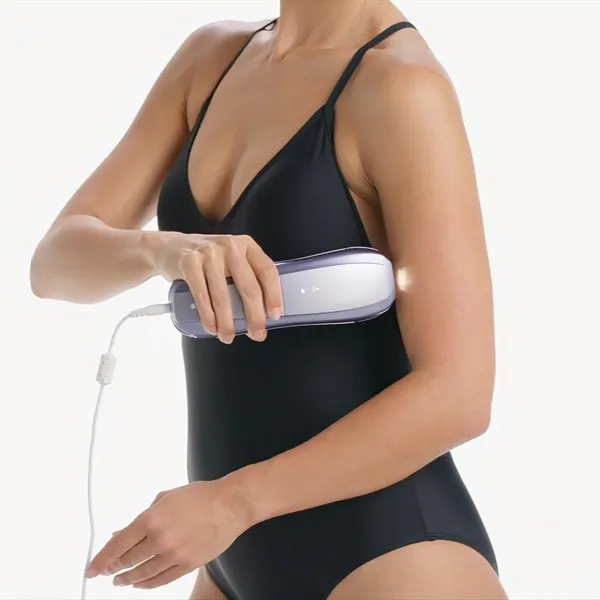
How Does Ulike Remove Facial Hair?
Ulike facial hair removal can be a sensible at-home option for upper lip, chin, and jawline hair if your facial hair is dark enough, your skin tone is within the supported range, and you only treat areas approved for your device. The first checks should be simple: where you want to use it, whether your skin and hair are IPL-compatible, and whether you can stick with the schedule without pushing the settings too high.
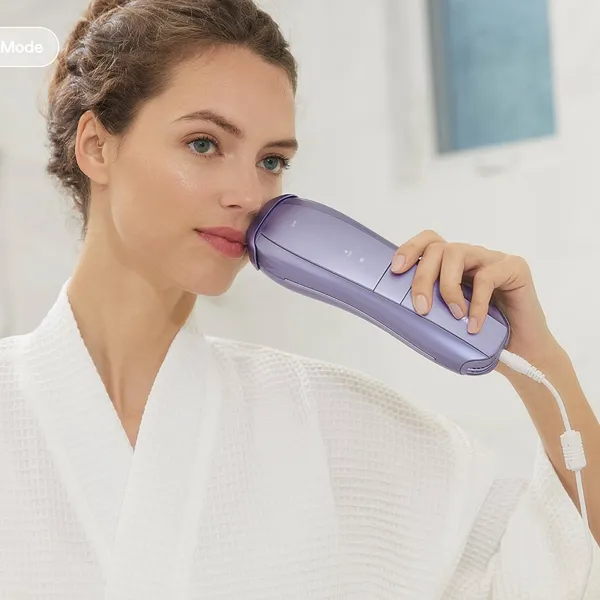
Where can you use Ulike on the face
Ulike is generally used only on device-approved facial areas below the cheekbones. That usually means small hair-removal zones such as the upper lip, chin, and jawline, but the exact limits can depend on the model you own.
Avoid the eye area, eyebrows, inside the nose, tattoos, moles, birthmarks, warts, broken skin, sunburn, active irritation, or inflamed acne.
Upper lip
The upper lip is one of the most common facial areas for at-home IPL because even a small amount of regrowth can be noticeable. Use the facial setting recommended by your device, keep the window flat, and treat in tiny sections rather than flashing randomly across the area.
If your upper lip skin gets red easily after waxing, threading, or strong skincare, treat it as a more cautious zone. A patch test and a lower comfortable setting are better than trying to finish quickly and dealing with irritation later.
Chin
Chin hair is often a better match for IPL than fine facial fuzz because it is more likely to be coarse and pigmented. This is especially true if you are dealing with a few recurring dark hairs that keep coming back after shaving or tweezing.
Jawline
The jawline is usually easier to treat evenly than the upper lip because there is more flat surface to work with. Good lighting helps, especially if the hair is patchy or only visible from certain angles.
Other device-approved areas below the cheekbones
Some other small areas below the cheekbones may be suitable if your manual allows them. Stay conservative around curves, sensitive skin, and any area close to the eyes.
- Treat only clean, shaved, dry skin.
- Skip irritated or recently exfoliated areas.
- Do not chase every stray hair if the placement feels awkward.
Who gets the best results with Ulike facial hair removal
The strongest candidates are people with darker facial hair, supported skin tones, and enough patience to treat regularly. IPL works by targeting pigment in the hair, so the match between your hair color and skin tone matters more than marketing claims.
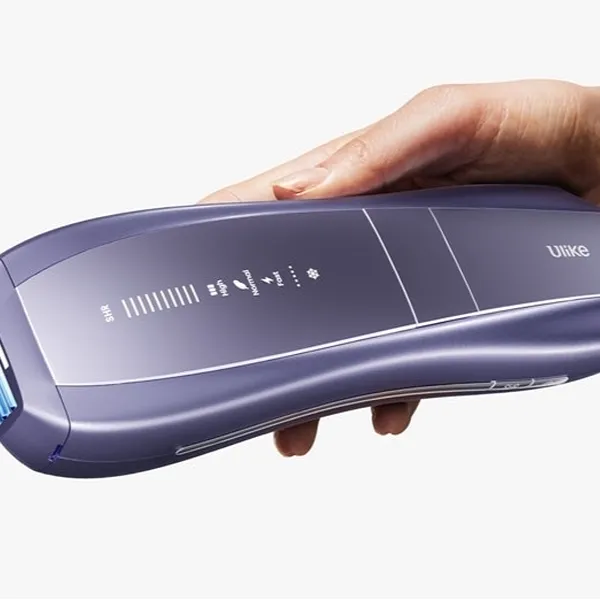
People with darker facial hair
Darker brown or black facial hair usually responds best because it contains more pigment for IPL to target. Very blonde, red, white, gray, or mostly fine peach-fuzz hair is less likely to improve in a meaningful way.
If your face has mixed hair types, expect mixed results. Coarse dark chin hairs may slow down while soft light cheek fuzz barely changes.
People within the supported skin tone range
Skin tone compatibility is a safety check, not a small detail. IPL needs enough contrast between the skin and the hair, and using a device outside its supported range can raise the risk of irritation while reducing the chance of good results.
Check the Ulike skin tone chart before buying and again before treating if your skin has recently tanned. If your skin tone is not supported, do not try to compensate with a lower setting unless the manual specifically says that is allowed.
People who can follow a regular IPL routine
IPL is not a one-session fix. Hair grows in cycles, so regular use gives the device more chances to target hairs at the right stage.
- Best fit: someone who can treat on schedule for several weeks.
- Harder fit: someone who uses the device only when regrowth becomes annoying.
- Common mistake: stopping after early sessions because the hair has slowed down but not fully disappeared.
How to use Ulike on your face
Clean and dry the area, remove makeup or heavy skincare, and shave visible hair as directed. Do not wax, tweeze, or pluck the treatment area before IPL, because the hair root needs to remain in place for light-based treatment.
Choose the recommended setting
Start with the mode and intensity recommended in your device instructions for facial treatment. A stronger setting does not automatically mean faster facial results, but it can make irritation more likely.
For a first-time user or someone with sensitive skin, the safer plan is to patch test, wait to see how the skin reacts, and only increase intensity if the manual allows it and your skin stays calm.
Place the treatment window flat on the skin
The treatment window needs full contact with the skin so the flash can fire correctly and reach the area evenly. On the chin and jawline, adjust your head position instead of forcing the device at an awkward angle.
Treat each area evenly
Work in a simple pattern: upper lip in small sections, chin in short rows, jawline from one side to the other. This prevents two common problems: missed patches and over-flashing the same spot.
More flashes are not better if they are stacked on the same tiny area. Even coverage is the goal.
Follow the recommended schedule
Use the schedule provided for your Ulike model rather than inventing your own. Treating too rarely can slow results, while treating too often may irritate your skin without giving the hair cycle extra time to respond.
Stop if your skin reacts badly
Mild warmth or brief redness can happen, but strong pain, swelling, blistering, burning, or irritation that does not settle is a stop sign. Pause treatment and check whether the area, setting, recent sun exposure, or skincare routine made your skin more reactive.
Do not use Ulike IPL while using tretinoin. Ulike recommends stopping tretinoin at least one week before IPL. If you use other retinoids, acne medications, or products that increase photosensitivity, check the medication guidance or ask a healthcare professional before treatment.
What results can you expect from Ulike on facial hair
Expect gradual reduction, not instant permanent smoothness. The first useful sign is often that hair takes longer to return, followed by finer or patchier regrowth after repeated sessions.
Slower regrowth after repeated sessions
Slower regrowth is usually the first milestone worth watching for. If you used to shave every day and now need to do it less often, the treatment may be helping even if the area is not perfectly hair-free yet.
Finer and patchier hair over time
As treatment continues, some hair may come back thinner, softer, or in smaller patches. Patchiness can feel uneven at first, but it is common because follicles do not all respond at the same time.
This is where photos or quick notes can help. Comparing week to week in the mirror is not always reliable, especially with small facial areas.
Less frequent hair removal with continued use
The main day-to-day benefit is usually less maintenance. For someone who dislikes constant chin tweezing or last-minute upper lip shaving, needing fewer touch-ups can be a real improvement even without complete removal.
At-home IPL is typically a convenience choice. Professional laser may be stronger and faster for some people, while Ulike may suit someone who wants privacy, flexible timing, and lower-effort maintenance at home.
Ongoing touch-ups to maintain results
Touch-ups are normal with facial IPL. They do not mean the device failed; they help manage follicles that were missed, newly active, or influenced by hormones.
Is Ulike Air 10 a good choice for facial hair
Ulike Air 10 can be a good choice for facial hair if you are IPL-compatible and want a regular at-home routine rather than clinic appointments. It makes the most sense for dark facial hair on approved areas such as the upper lip, chin, or jawline.
It is less convincing if your hair is very light, your skin tone is outside the supported range, or you want the strongest possible treatment for dense hormonal growth. In those cases, the better decision may be a professional option or a different hair-removal method.
Suitable for regular at-home IPL
Air 10 is a practical fit for people who want short, repeatable sessions at home. That matters because consistency is one of the biggest factors in whether facial IPL feels worthwhile.
Designed for comfortable at-home treatments
Comfort-focused features can make facial IPL less intimidating, especially for beginners treating visible areas. Still, comfort features do not replace the basics: patch test first, use the correct setting, and do not treat irritated skin.
Suitable for stubborn facial hair
Stubborn dark hair on the chin or jawline may respond, but it often needs more patience than light maintenance hair. If the hair is driven by hormones, look for reduction and easier upkeep rather than assuming it will stay gone permanently.
Best for IPL-compatible skin tones and hair colors
This is the deciding point. Ulike Air 10 is most likely to make sense when your skin tone and hair color match the device's IPL requirements.
- Good match: dark hair, approved skin tone, approved facial area.
- Poor match: very light or gray hair, unsupported skin tone, irritated skin.
- Think twice: dense hormonal growth where you want the fastest or most permanent option.
Conclusion
Ulike is most worth considering when your facial hair is dark, your skin tone is supported, and you are comfortable following a careful routine on approved areas only. If those checks do not line up, forcing IPL is unlikely to give better results; if they do, it can be a convenient way to make upper lip, chin, or jawline hair easier to manage over time.
FAQS
How often should you use Ulike on your face
Use the schedule in your specific Ulike manual. Most routines have an initial treatment phase followed by less frequent maintenance, but the exact timing should come from your device instructions.
Can Ulike be used on sensitive facial skin
Sometimes, but sensitive skin needs a slower start. Patch test first, avoid active irritation or strong skincare days, and stop if redness, pain, or burning lasts longer than expected.
How long does Ulike take to work on facial hair
Most people need multiple sessions before noticing a clear change. The earliest sign is often slower regrowth, while finer or patchier hair usually takes longer and depends on consistency, hair color, and skin compatibility.
Popular Articles