What Causes Cheek Hair?
Cheek hair is usually normal, whether it is barely visible peach fuzz or darker beard growth along the upper cheeks. The first thing to check is what kind of hair you have and whether it has changed suddenly; stable fine hair is usually a grooming choice, while new rapid growth with other symptoms is worth asking a clinician about.
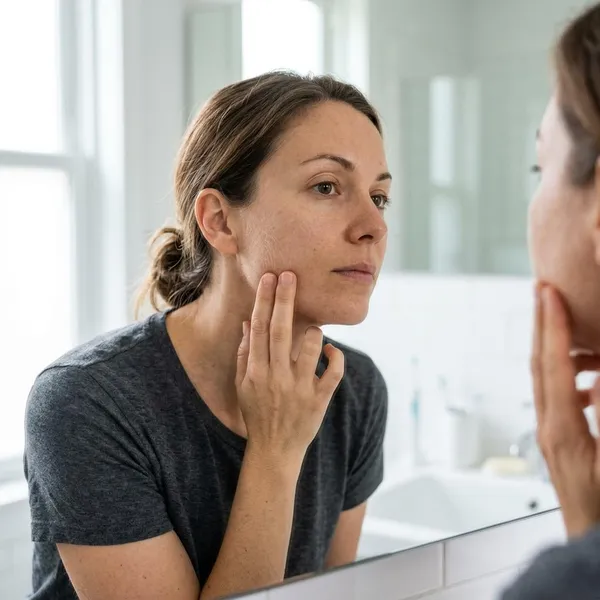
Is cheek hair normal?
Cheek hair is normal. Most faces have some fine vellus hair, and some people also grow thicker terminal hair on the cheeks as part of a beard pattern. Genetics, age, hormones, and hair color all affect how visible it looks.
Fine peach fuzz
Fine peach fuzz is usually vellus hair: soft, short, and lightly pigmented. It is common on the cheeks and does not need to be removed for health reasons. People usually remove it because makeup sits more smoothly, skincare feels cleaner, or close-up texture bothers them.
If your goal is a smoother look for an event or occasional makeup wear, shaving or dermaplaning is often enough. If your skin is reactive, acne-prone, or easily marked, doing less may be better than chasing perfectly bare cheeks.
Coarser beard hair
Coarser cheek hair is terminal hair, the thicker type associated with beard growth. On men, it may create a high cheek line, a full beard, or patchy areas that need shaping. On women, a few isolated coarse hairs can be harmless, but a fast increase or a wider new pattern should be treated more cautiously.
For grooming, coarse hair usually needs a different approach from peach fuzz. A razor can tidy it quickly, but root-removal methods may be more irritating, and patchy beard growth often looks better when shaped rather than removed aggressively.

How to remove unwanted cheek hair
Choose the method by matching three things: hair type, skin sensitivity, and how long you want the result to last. For light peach fuzz, a surface method is usually the simplest starting point. For a few dark stray hairs, precise root removal may make more sense. For sensitive or inflamed skin, the safest choice may be waiting until the skin calms down.
| Best fit | Method to consider | Main caution |
|---|---|---|
| Fine peach fuzz or quick smoothing | Shaving or dermaplaning | Use light pressure and a clean blade |
| A few stray coarse hairs | Tweezing or threading | Avoid repeated pulling over large areas |
| Longer-lasting smoothness | Waxing or sugaring | Skip if skin is irritated or sensitized by actives |
| Temporary chemical removal | Face-approved depilatory cream | Patch test and follow the time limit exactly |
How to groom patchy cheek beard hair
Patchy cheek beard hair is often a styling problem, not a failure to grow a "proper" beard. The mistake is trying to force a high, full cheek line when the natural density is lower. A cleaner shape, slightly better length, and a style that fits your actual growth usually look more intentional.
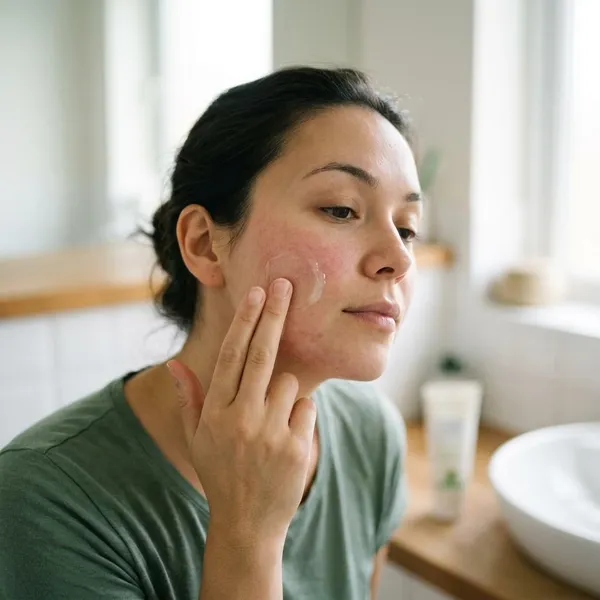
Let growth settle before shaping
Give cheek beard hair at least a few weeks before judging the final pattern. Early stubble can look patchier because different hairs grow at different speeds. If you shape too soon, you may remove the slower hairs that would have helped soften a gap.
This is especially useful if you are growing a beard for the first time or coming back from a clean shave. Keep the neckline tidy if needed, but delay major cheek-line decisions until you can see where the density really sits.
Follow your natural cheek line
Your natural cheek line is the border where the stronger growth begins. Cleaning up stray hairs above that line usually looks better than carving deep into the beard to create a dramatic shape.
Trim to a length that blends gaps
Slightly longer beard hair can make patchy cheeks look fuller because neighboring hairs overlap and reduce contrast with the skin. Very short stubble often does the opposite, especially when dark hair grows against lighter skin.
- If gaps look sharp: try the next trimmer guard up before changing the beard shape.
- If the beard looks messy: trim the outline, not the whole cheek area shorter.
- If one side is weaker: shape both sides to suit the weaker side rather than cutting the stronger side too high.
Choose a style suited to your growth
A beard style should flatter where your hair actually grows. Strong jaw and chin growth with sparse cheeks often looks better as heavy stubble, a short boxed beard with a lower cheek line, a circle beard, or a goatee than as a high full beard.
Beard oil can make existing hair softer and neater, but it will not create new follicles. If you want a low-maintenance everyday look, choose a style that still looks good after a few days of normal growth rather than one that needs constant correction.
How to reduce irritation from cheek hair removal
Irritation usually comes from the wrong method for the skin's condition, too much pressure, or poor timing around skincare. Before removing cheek hair, check three things first: is the skin calm, are the tools clean, and does your chosen method conflict with any active products you use?
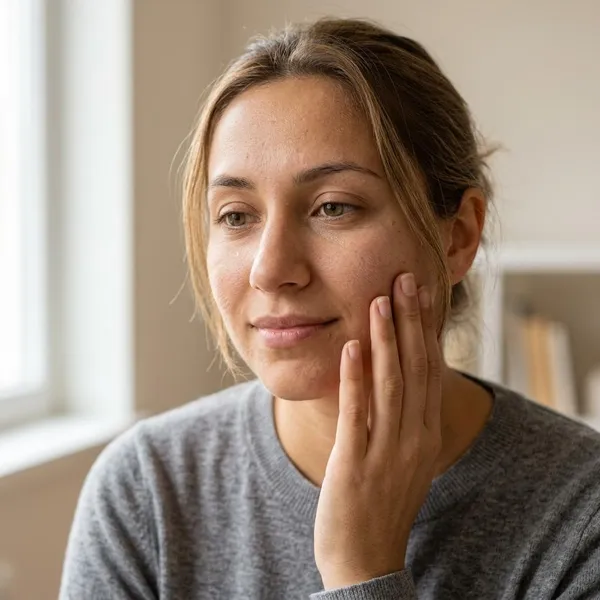
Use clean tools and gentle techniques
Clean tools reduce the chance of bumps, folliculitis, and lingering redness. Wash your face first, use a fresh or properly cleaned blade, sanitize tweezers, and avoid dragging or pressing hard. One careful pass is kinder to cheek skin than repeated scraping to chase a perfectly smooth finish.
Follow product restrictions and patch tests
Patch testing is worth doing with wax, sugar paste, and depilatory creams because cheek skin may react even if another body area did not. Test a small, discreet area and wait as directed before treating the full cheek.
Product restrictions matter most if you use retinoids, exfoliating acids, acne treatments, or have had recent sun exposure. When skin is already sensitized, waxing or strong creams can cause more than ordinary redness, so choose a gentler method or postpone removal.
Avoid broken or irritated skin
Do not remove hair over cuts, sunburn, active rashes, infected bumps, or inflamed acne. Hair removal adds friction or pulling, and damaged skin has less ability to protect itself. Waiting a few days is usually better than turning a small irritation into a longer healing problem.
Follow method-specific aftercare
After shaving or dermaplaning, rinse gently, pat dry, and use a simple fragrance-free moisturizer. After threading, tweezing, waxing, or sugaring, a cool compress can help calm the area; avoid touching, heavy makeup, sweating, and harsh exfoliation right away. If you had laser or electrolysis, follow the provider's aftercare and be extra careful with sun exposure while the skin settles.
Conclusion
Cheek hair is usually something to manage, not something to worry about. Treat fine peach fuzz gently, shape coarse beard growth according to the pattern you actually have, and avoid any removal method that fights your skin. If the hair changes quickly or arrives with other symptoms, that is the point where grooming advice should give way to medical guidance.
FAQS
Does shaving make cheek hair thicker?
No. Shaving only cuts the hair bluntly at the surface, so regrowth can feel rougher for a short time, but the follicle has not changed.
Can oils make a cheek beard fuller?
No oil can reliably grow new cheek beard hair. Beard oil can make existing hair softer, less dry, and easier to style, which may make patchiness look less obvious.
Can laser remove cheek peach fuzz?
Laser is usually better for darker, coarser hair than pale peach fuzz. Fine light hair may respond poorly, so a consultation is the safest way to judge whether it is worth it.

Popular Articles