What Causes Coarse Facial Hair and What Can Help?
Coarse facial hair is usually normal, but it can feel frustrating when it turns wiry, dry, sharp, or hard to manage. The first thing to check is whether the texture has always been that way or whether it changed suddenly, because natural beard texture is handled with grooming, while sudden new growth may need a closer look at hormones or health changes.
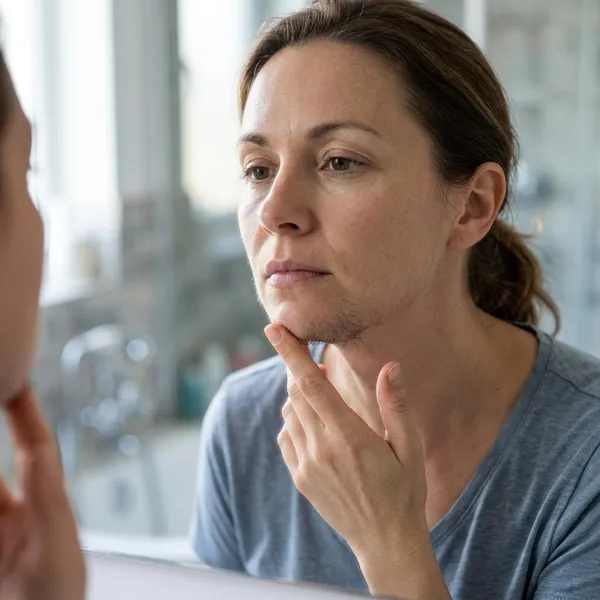
Why does facial hair become coarse?
Facial hair often feels coarser than scalp hair because the strands are usually thicker, more curved, and more influenced by hormones. That does not automatically mean the hair is damaged. A beard can be naturally dense and still be healthy, especially if it has always grown in that way.
The texture becomes more noticeable when thick hair is also dry, poorly conditioned, or split at the ends. A useful starting point is to separate "my beard is naturally wiry" from "my beard feels rough because my routine is stripping it." The first needs realistic expectations; the second can often be improved quite quickly.
Genetics and natural hair texture
Genetics has a big say in follicle shape, hair diameter, curl pattern, and beard density. If thick or wiry facial hair runs in your family, your beard may naturally feel stiff even when you wash and condition it properly.
Curly or tightly bent facial hair can also feel rougher because natural oils do not travel along the strand as easily. For someone with fine, straight facial hair, a basic cleanser may be enough; someone with thick, curly growth usually needs more moisture and gentler handling to get the same soft feel.
Hormonal changes
Hormones can turn finer facial hairs into darker, thicker terminal hairs, which is why beard texture often changes through the teens, twenties, and sometimes later. A few new coarse chin or upper-lip hairs can also appear with age or menopause. If the change is sudden, heavy, or comes with symptoms such as acne, irregular periods, or scalp hair thinning, it is sensible to ask a medical professional rather than treating it as only a grooming issue.
Age-related growth changes
Facial hair and the skin underneath it can both change with age. Some people notice fuller, rougher growth over time, while others find the beard becomes drier because the skin produces less oil than it used to.
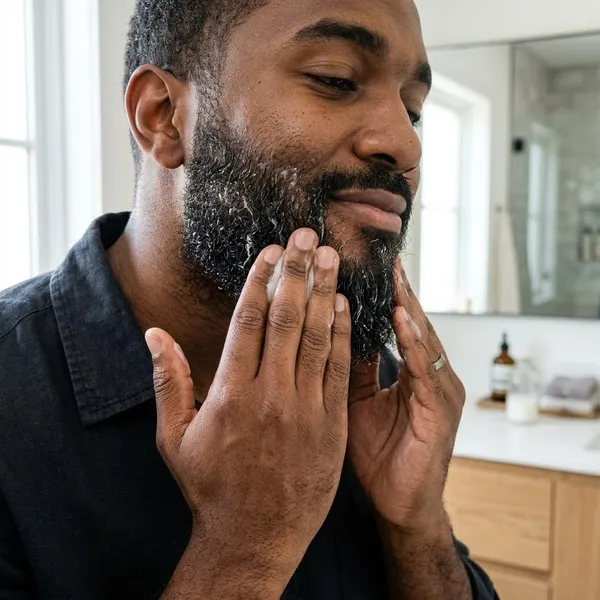
How to soften coarse beard hair
You cannot turn naturally thick facial hair into fine hair, but you can make it feel smoother, less dry, and easier to shape. Start with the basics before adding more products: clean gently, condition while the hair is slightly damp, avoid unnecessary heat, and remove damaged ends.
- Check first: does the roughness happen after washing? Your cleanser may be too harsh.
- Check next: does the roughness sit mostly at the ends? You may need a small trim.
- Check the skin: flakes, tightness, or itch usually mean the skin under the beard needs attention too.
Wash with a gentle cleanser
A mild beard wash or sulfate-free cleanser is usually better than regular scalp shampoo, which can strip too much oil from facial hair and skin. For many people, washing two or three times a week is enough; on other days, a lukewarm rinse may do the job.
If your beard feels clean for ten minutes and then turns stiff, that is a clue that you are over-washing or using something too strong. This is especially common for people who work out often and respond by scrubbing daily with harsh soap.
Use conditioner suited to your skin
Conditioner, beard butter, or a light leave-in product can smooth the hair cuticle and reduce friction between strands. Apply it after washing or dampening the beard, not when the hair is bone dry and already rough.
Choose the product based on your skin as much as your hair. Fragrance-free or low-fragrance formulas are safer if your face gets itchy or red easily, while heavier butters may suit a longer beard that dries out by the end of the day. Beard oil can help, but very coarse beards often need oil plus a conditioner or butter for lasting softness.
Comb gently without pulling
Use a wide-tooth comb when the beard is slightly damp or lightly conditioned. Start at the ends on longer hair, then work upward slowly. Pulling through knots may feel quicker, but repeated breakage creates more split ends and makes coarse hair look even more wiry.
Trim rough or split ends
Trimming does not mean giving up on beard length. Removing a tiny amount from dry, split, or uneven ends can make the whole beard feel softer because damaged tips stop catching on each other.
If the hair near your skin feels softer than the ends, that is a practical sign that the problem is damage rather than your natural texture alone. Use sharp scissors or a good trimmer; dull tools can crush the strand and leave the ends rough again.
Limit heat and harsh products
Heat is not automatically bad, but frequent high heat close to the face can make coarse hair brittle. If you use a dryer or heated brush, keep the setting low, avoid holding it in one spot, and use a conditioning product first.
- Avoid harsh soap: tight skin after washing usually means the product is too stripping.
- Go easy on alcohol-heavy styling products: they can leave the beard stiff and dry.
- Be more careful in winter or dry indoor air: the same routine may feel less moisturizing than it does in summer.
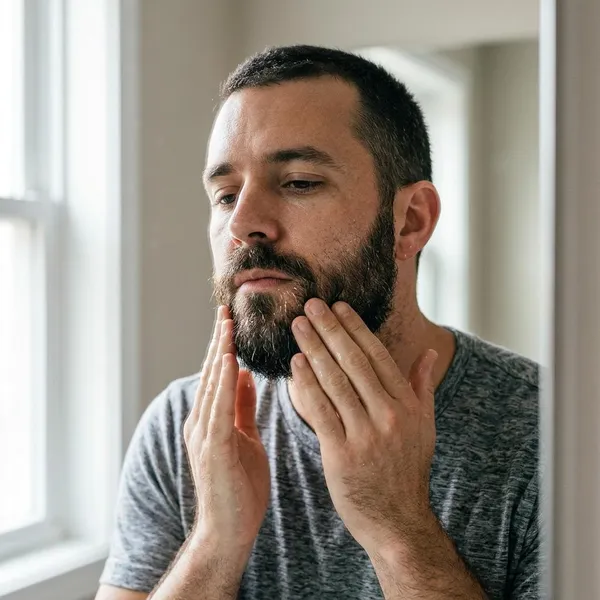
How to remove unwanted coarse facial hair
If you want removal rather than softening, choose the method by area size, skin sensitivity, and how long you want the result to last. A few stray hairs do not need the same approach as a full jawline, and coarse hair that causes bumps may need a gentler method than the closest possible shave.
| Best fit | Method to consider | Main trade-off |
|---|---|---|
| A few isolated hairs | Tweezing | Slow for larger areas |
| Fast daily or weekly upkeep | Shaving | Regrowth feels blunt |
| Longer-lasting temporary removal | Threading or waxing | Can irritate sensitive skin |
| Reducing suitable dark hair over time | Professional laser | Needs multiple sessions |
| Permanent removal, including light hairs | Electrolysis | Treats each follicle individually |
Tweezing for a few stray hairs
Tweezing is best for one-off coarse hairs on the chin, upper lip, or outside a beard line. Clean the tweezers, pull in the direction of growth, and wait until the hair is long enough to grip instead of digging into the skin.
It becomes a poor choice when you are removing many hairs every few days. At that point, the irritation and time involved usually outweigh the convenience.
Shaving for quick upkeep
Shaving is the quickest option for larger areas, neckline cleanup, or regular beard shaping. It does not make facial hair grow back thicker, but the blunt cut edge can feel sharper as it grows out.
- Before shaving: soften the hair with warm water and shaving cream or gel.
- During shaving: use light pressure and avoid repeated passes over the same spot.
- If bumps are common: shave with the direction of growth and consider a gentler razor setup.
Threading or waxing for root removal
Threading and waxing remove hair from the root, so results last longer than shaving and regrowth may feel less stubbly at first. Threading is often better for precise facial areas, while waxing is faster for broader patches.
Be cautious if your skin is sensitive or if you use retinoids, exfoliating acids, or acne treatments. In that situation, ask the provider what to pause beforehand, because irritated or recently exfoliated skin is more likely to react badly.
Professional laser for suitable dark hair
Laser can reduce coarse facial hair over time when the hair has enough pigment for the device to target. It tends to work best on darker hair, while gray, white, red, or very light blond hairs often respond poorly.
This can be a good option for someone dealing with repeated razor bumps on the neck or jawline, but it is not a one-session fix. A proper consultation matters, especially for deeper skin tones or facial areas where settings need to be chosen carefully.
Electrolysis for permanent removal
Electrolysis treats follicles one by one and is widely used when permanent removal is the goal. It can work on hair colors that laser may miss, including gray or light hairs, which makes it useful for small stubborn areas.
The trade-off is time. For a few recurring chin hairs, electrolysis may be very practical; for a large area, you need patience because multiple appointments are usually involved.
Conclusion
Coarse facial hair is usually a normal mix of genetics, hormones, age, and dryness, so the best first move is to judge whether you want to manage it, soften it, or remove it. If the texture has always been there, a gentler routine and small grooming changes can make a real difference; if coarse growth appears suddenly or comes with other body changes, treat that as a reason to get proper medical advice rather than guessing.
FAQS
Does coarse facial hair mean high testosterone?
Not by itself. Hair texture depends on genetics and how sensitive your follicles are to hormones, not just the amount of testosterone in your body.
Does shaving make facial hair coarser?
No. Shaving cuts the hair bluntly at the surface, so regrowth may feel sharper, but the follicle has not been changed.
Can beard oil soften wiry hair?
Yes, especially when applied to slightly damp hair and worked down to the skin. If the beard is very dry, oil alone may not be enough without a conditioner or beard butter.
Why does my beard feel rough after conditioning?
The conditioner may not be the main problem. Harsh washing, hard water, split ends, heat damage, or dry skin under the beard can all leave the hair feeling rough even after conditioning.

Popular Articles