How Can Women Remove Nape Hair for a Smooth Neckline?
For women, nape hair removal is usually about one practical question: do you want a cleaner neckline for visible styles, or do you just want less fuzz without creating extra upkeep? Trimming is the safest first try, waxing gives smoother results for a few weeks, laser can reduce coarse dark growth over time, and electrolysis is the better choice for permanent removal or light stray hairs.
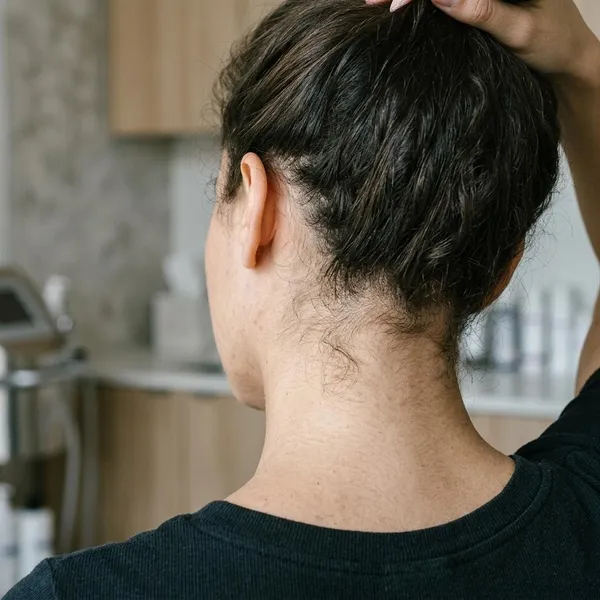
What is the best way to remove nape hair for women?
The best method depends on how visible the hair is, how smooth you want the area, and how much maintenance you can realistically keep up with. If you need a quick cleanup before wearing a bun or going to an event, trimming or shaving is enough. If the hair comes back quickly or creates a shadow, professional options may make more sense.
- Fastest fix: trim or shave close to the natural neckline.
- Smoothest short-term result: wax, if your skin tolerates pulling from the root.
- Best long-term reduction: laser, mainly for coarse dark hair.
- Most permanent option: electrolysis, especially for light, fine, or isolated hairs.
Trimming or shaving for quick cleanup
Trimming is the easiest first step because it tidies the nape without scraping the skin or changing the hairline too sharply. A small detail trimmer or guarded facial trimmer works better than a large razor because the back of the neck is curved and hard to see.
Shaving gives a closer, cleaner edge, which can look neat with pixie cuts, blunt bobs, sleek ponytails, or undercuts. The trade-off is faster visible regrowth. If your nape hair is dark or coarse, shaved stubble may show within a few days, so shaving is best for short-term cleanup rather than a low-maintenance routine.
Waxing for longer-lasting smoothness
Waxing is useful when you want the back of the neck to stay smooth without touching it every few days. Many people get around three to four weeks before the area looks noticeably grown in again, although the exact timing varies.
It is a better choice before a holiday, wedding hairstyle, or a period when you know you will wear your hair up often. It is less ideal if your skin gets bumps easily, if collars rub your neck all day, or if you use strong fragranced hair products that may irritate freshly waxed skin.
Laser for long-term reduction of dark hair
Laser is usually the strongest long-term option for coarse dark nape hair because the device targets pigment in the hair follicle. It can reduce density and slow regrowth after a series of sessions, but it should be viewed as reduction rather than a guarantee that every hair will disappear forever.
This is worth considering if you keep shaving the same area and the regrowth feels rough, shadowy, or too obvious between touch-ups. A consultation matters because skin tone, hair color, device type, and medical history can all affect whether laser is a sensible choice.
Electrolysis for permanent hair removal
Electrolysis treats individual follicles, so it is slower than laser but more precise. It can be used on dark, blonde, gray, red, or fine hairs because it does not rely on hair pigment in the same way laser does.
It is especially useful when you only have a few hairs that break the shape of the neckline, or when laser has reduced the darker growth but left lighter strands behind. If you want a soft natural hairline, ask the electrologist to remove only the hairs that look out of place rather than creating a hard, high border.
Which method fits your nape hair type?
Look at the hair before choosing the method. Fine baby hairs, coarse dark patches, isolated strands, and reactive skin all need different handling. The first thing to check is not price or speed, but whether the method matches the hair you actually have.
Trimming or waxing for fine baby hairs
Fine baby hairs usually look better with a soft approach. Trimming reduces the fuzzy outline while keeping the neckline natural, which is helpful if you wear loose buns, claw clips, or relaxed updos where a sharp shaved edge would look too severe.
Waxing can work well if the fine hairs are dense enough to make the neckline look cloudy in photos or under bright light. Avoid over-waxing into the real hairline, though; removing too much fine hair can create a patchy border that grows back more awkwardly than the fuzz itself.
Laser for coarse dark hair
Coarse dark nape hair is often the best match for laser, especially when shaving leaves a visible shadow or rough regrowth. If you wear your hair up most days for work, sport, or hot weather, reducing that repeated maintenance can be more valuable than getting one perfectly smooth result.
Laser is less convincing for very light, red, gray, or extremely fine hair. In those cases, a consultation may still be useful, but electrolysis or trimming is often the more practical route.
Electrolysis for isolated or light-colored hairs
Choose electrolysis when the problem is specific: a few long strands below the hairline, pale hairs that laser will not target well, or small areas that need careful shaping. It lets the practitioner remove selected hairs instead of treating the whole lower hairline.
This makes it a good option if you like your natural neckline but want to stop dealing with the same stray hairs every month.
Gentle trimming for easily irritated skin
If your nape becomes red, itchy, bumpy, or sore after hair removal, gentle trimming is usually the safest default. It cuts the hair above the skin, so there is less scraping than shaving and less trauma than waxing.
This matters if you exercise often, sweat around the neck, wear tight collars, or carry backpacks that rub the area. For reactive skin, "smoothest" is not always the best result; a tidy finish that does not trigger bumps is often the better choice.
How to remove nape hair safely at home
At-home nape hair removal is possible, but the common mistake is shaping too much because you cannot see the area clearly. Keep the goal small: clean up the visible fuzz, preserve the natural hairline, and stop before the neckline starts looking higher or sharper than intended.
Map the neckline before removing hair
Before cutting or removing anything, check the nape with two mirrors or ask someone you trust to help. Mark only the hairs you want gone with a washable cosmetic pencil. A soft curve close to your natural neckline usually grows out better than a straight, high line.
Use clean tools and gentle pressure
Clean the skin first, especially if there is sweat, dry shampoo, hairspray, gel, or leave-in product near the nape. Use a clean trimmer, a fresh razor, or wax meant for facial or sensitive areas, depending on the method you choose.
- For trimming: use a guard or detail attachment and work in short passes.
- For shaving: use a gentle shaving gel and avoid pressing hard.
- For waxing: test a small area first and avoid irritated or sunburned skin.
Avoid cutting too high into the natural hairline
The natural hairline often has small uneven areas and soft tapering hairs. Removing all of them can make the back of the neck look too blunt, especially once the hair starts growing back.
Soothe the skin after removal
After trimming, shaving, or waxing, keep the area calm. A cool compress, fragrance-free aloe gel, or a light soothing lotion can help reduce heat and redness. Avoid heavy oils if you are prone to bumps, because they can trap sweat around the follicles.
For the rest of the day, try to avoid tight collars, heavy sweating, and strong hair products touching the nape. That small recovery window often makes the difference between a clean result and a bumpy one.
Pause if bumps or irritation develop
If the skin starts stinging, swelling, scabbing, or developing small bumps, stop removing hair until it settles. Repeating the same method on irritated skin usually makes the problem last longer.
Change the method if the reaction keeps happening. Shaving bumps may mean trimming is better. Waxing redness that lasts too long may mean you need a gentler wax, a professional service, or a longer gap between sessions. If irritation looks severe or does not improve, get medical advice rather than continuing to treat the area at home.
Should you remove nape hair or let it grow?
You do not have to remove nape hair. It is a styling choice, not a hygiene rule. The better question is whether removing it will make your everyday routine easier or just give you one more thing to maintain.
Remove it for a cleaner visible neckline
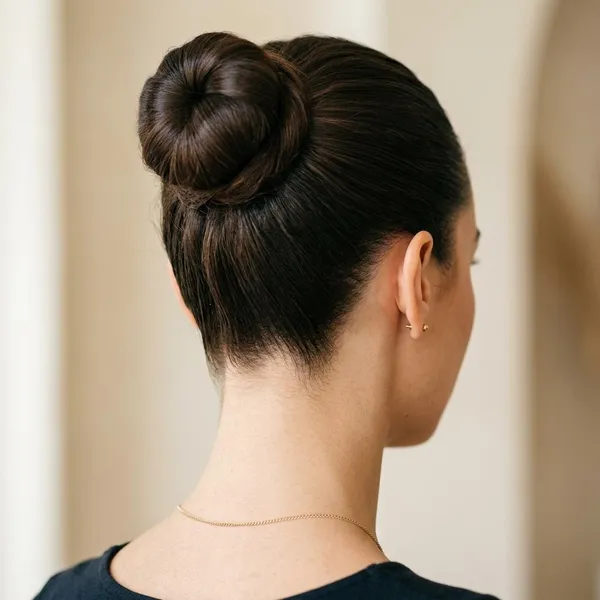
Full removal makes the most sense when the nape is often visible. Short cuts, sleek buns, formal updos, braided styles, and high ponytails can all look cleaner when stray hairs are removed from the lower neckline.
This is also the route to choose if you want a very polished look for a specific occasion. For a one-off event, shaving or waxing may be enough. For year-round exposed styles, laser or electrolysis may be worth considering if the hair type fits.
Trim it for easier regular maintenance
Trimming is the best middle ground if you want the nape to look tidy but do not want smooth-skin upkeep. It softens the outline, avoids the blunt regrowth of shaving, and is easy to repeat when the area starts looking fuzzy.
Grow it out for the lowest-maintenance option
Growing it out is the lowest-effort choice, especially if the hairs are soft and can eventually tuck into a ponytail, bun, or braid. The awkward stage can be annoying, but once the hair gains enough length, it may stop standing out as a separate grooming issue.
This option is also worth trying if your skin reacts badly to every removal method. Sometimes the most practical answer is to stop fighting the hair and choose styles that let it blend in.
Keep the natural hairline for a softer finish
A natural hairline often looks better than a very sharp edge on layered cuts, textured hair, casual updos, and soft hairstyles. It also grows out more gracefully because there is no obvious border where removal stopped.
If you are deciding between a clean line and a natural one, start with a light trim first. It gives you a clearer neckline without committing to a shape that needs constant correction.
Conclusion
The best choice is the gentlest method that gives you the neckline you actually want. Trim first if you are unsure, wax when you need a smoother short-term result, consider laser for repeated coarse dark regrowth, and choose electrolysis when you want permanent precision. A clean nape can look polished, but a soft natural hairline is often easier to live with if maintenance or irritation becomes the bigger problem.
FAQS
Does shaving nape hair make it grow back thicker?
No. Shaving cuts the hair bluntly at the surface, so the regrowth can feel sharper for a short time, but it does not change the follicle or make the hair permanently thicker.
How long does waxing the back of the neck last?
Waxing usually keeps the back of the neck smooth for about three to four weeks. Coarse hair may become noticeable sooner, while fine hair can look softer for longer even as it grows back.
Is laser hair removal good for nape hair?
Yes, if the hair is dark enough for the laser to target well. It is less useful for very light, gray, red, or fine nape hair, where electrolysis or trimming may be the better option.

Popular Articles




