What Is the Safest Way to Remove Neck Hair?
The easiest way to remove neck hair depends on what bothers you most: visible stubble, bumps, coarse regrowth, or having to clean it up constantly. If you need a fast fix, shave or trim; if you want longer smoothness, wax, sugar, or thread; if you want less regrowth over time, look at IPL, laser, or electrolysis. The first thing to check is not the hair itself, but how reactive your neck skin is.
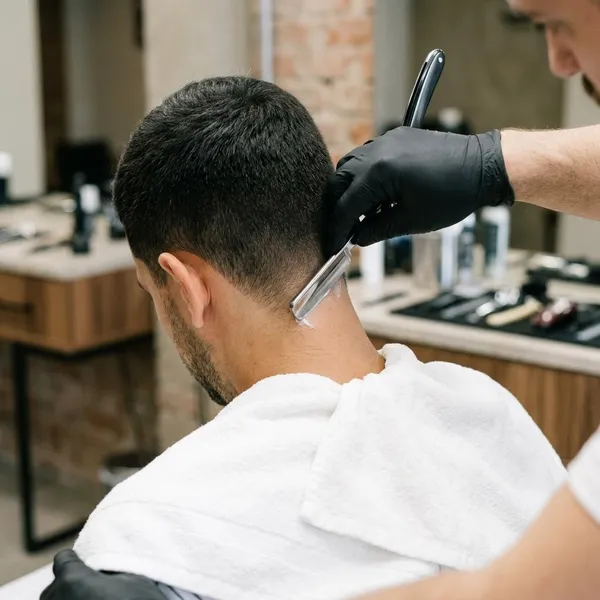
What is the best way to get rid of neck hair?
The best method is the one that matches your goal and does not leave your neck irritated for days. A quick beard-line cleanup is a different problem from dark recurring hairs under the chin, and both are different from a few stray hairs on the back of the neck.
| Best fit | Method to consider | Main tradeoff |
|---|---|---|
| Same-day cleanup | Shaving or trimming | Fast, but regrowth appears quickly |
| Smoother skin for a few weeks | Waxing, sugaring, or threading | Longer lasting, but more pulling and redness |
| Less regrowth over time | IPL or professional laser | Needs compatible hair and skin, plus repeated sessions |
| Permanent removal of specific hairs | Electrolysis | Precise and permanent, but slower |
Shaving or trimming for quick removal
Shaving is the fastest way to make the neck look smooth, while trimming is usually the safer everyday choice if you get bumps easily. For a sharp neckline before work, a date, or a haircut, shaving makes sense; for daily or every-other-day upkeep, a trimmer often causes less trouble.
Waxing or threading for longer-lasting smoothness
Waxing and threading remove hair from the root, so the neck can stay smoother longer than it would after shaving. Waxing works better for a larger patch, such as the back of the neck, while threading is more useful for small areas, edges, or a few noticeable hairs.
Skip these methods if the skin is already irritated, sunburned, freshly exfoliated, or reacting to strong skincare products. A smooth result is not worth several days of tenderness if your neck is already inflamed.
IPL or laser for long-term hair reduction
IPL and laser are worth considering when the real problem is not one cleanup, but constant regrowth. They target pigment in the hair follicle, so they tend to work best on darker hair and may be less useful for very light blond, red, gray, or white hairs.
- At-home IPL: slower, lower intensity, useful for patient maintenance.
- Professional laser: stronger and more targeted, often better for dense dark neck hair.
- Best reason to choose either: fewer coarse hairs can mean fewer shaving bumps over time.
Electrolysis for permanent hair removal
Electrolysis is the most dependable option for permanent neck hair removal because it treats follicles one by one. It is especially useful for isolated coarse hairs, small stubborn patches, or light-colored hairs that laser and IPL may not target well.
The tradeoff is patience. If you have a large area to clear, electrolysis can take many appointments, but for a small number of recurring hairs it can be the cleanest long-term answer.
How to remove neck hair at home
Home removal is fine for many people, but the neck needs a gentler approach than legs or arms. Check for active irritation first; if the skin is bumpy, cut, sunburned, or freshly treated with strong exfoliants, wait until it settles.

Shave for a close and quick result
Use shaving when you want the closest at-home finish and your skin usually tolerates blades. Warm water, a slick shaving gel, and a sharp clean razor matter more than extra pressure.
- Wash the neck and soften the hair with warm water.
- Apply shaving gel or cream before the blade touches skin.
- Shave with light strokes, starting in the direction of growth.
- Rinse with cool water and apply a plain, fragrance-free moisturizer.
If the neck feels hot or looks red afterward, do not do another dry pass to "fix" missed hair. Let the skin calm down and clean up the spot later with a trimmer.
Trim for easier low-irritation upkeep
A trimmer is often the better choice for coarse, curly, or bump-prone neck hair because it cuts slightly above the skin. It will not give a perfectly smooth finish, but it can keep the area neat without repeatedly scraping the same sensitive skin.
This is the practical pick for someone who maintains a beard line every few days or wants the back of the neck to look cleaner between haircuts. Use a guard if you are nervous about cutting too close, then go shorter only if your skin stays comfortable.
Use depilatory cream with a patch test
Depilatory cream can remove surface hair without a razor, but it is one of the methods where caution matters most. Do a patch test on a small neck area first, wait as directed by the product, and do not exceed the recommended time.
- Use it only on calm skin: no cuts, razor burn, active rash, or fresh sunburn.
- Remove it fast if it burns: mild tingling is different from sharp stinging.
- Avoid strong aftercare: skip acids, retinoids, fragrance, and alcohol-heavy products right after.
Wax or sugar for root-level removal
Waxing or sugaring at home can work if you want fewer touch-ups, but the neck is awkward to pull from the right angle. Keep the skin taut, avoid overheated wax, and start with a small section rather than trying to clear the whole area at once.
For the back of the neck or any area you cannot see clearly, getting help or going to a professional is usually safer than guessing with a strip. Uneven pulling can leave bruising, broken hairs, or irritation that lasts longer than the hair removal benefit.
Use IPL for compatible skin and hair
At-home IPL is a long-game method, not a quick removal method. You usually shave first, then use the device on clean, dry skin so the light can target the follicle under the surface.
Before buying or using a device, compare your skin tone and hair color with the brand's compatibility chart. Do not use IPL over tattoos, recently tanned skin, irritated patches, or any area the device instructions exclude.
How to reduce neck hair long term
Long-term reduction means choosing a method that affects the follicle, not just the visible hair. If your neck only needs occasional tidying, temporary methods are enough; if you are shaving constantly and still getting bumps, it may be time to consider IPL, laser, or electrolysis.
At-home IPL for gradual hair reduction
At-home IPL can make sense if your hair and skin are compatible and you are willing to be consistent. The first useful sign is often slower regrowth, not instantly bare skin.
This suits someone who wants fewer shaving sessions over time and is comfortable following a routine. It is less ideal if you need fast results for an event next week, have very light neck hair, or cannot use the device safely on your skin tone.
Professional laser for recurring dark hair
Professional laser is often the strongest choice for recurring dark neck hair, especially when shaving bumps are part of the problem. A trained provider can choose settings based on your skin tone, hair type, and the exact area being treated.
Electrolysis for permanent removal
Choose electrolysis when permanence matters more than speed. It works on individual follicles and can treat hair colors that light-based methods may miss.
Conclusion
The smartest choice is usually the gentlest method that still matches your goal: trim if bumps are your main issue, shave when you need a close quick result, wax or thread when you want longer smoothness, and consider laser, IPL, or electrolysis when constant regrowth is the real frustration. If your neck reacts badly every time, stop chasing a closer finish and switch to a method that reduces friction or targets the follicle instead.
FAQS
Is it okay to shave neck hair regularly?
Yes, as long as your skin stays calm. If regular shaving causes bumps, switch to lighter pressure, shave less closely, or use a trimmer instead.
Can neck hair be removed permanently?
Yes, electrolysis can permanently remove treated neck hairs. Laser can give strong long-term reduction, but it is better described as reduction rather than a guaranteed permanent fix for every follicle.
Is neck hair normal for women?
Yes, some neck hair is normal for women and can be linked to genetics, age, or hormones. If it appears suddenly, becomes much thicker, or comes with other hormonal symptoms, it is sensible to ask a healthcare professional.
Is laser hair removal safe for the neck?
Laser can be safe on the neck when the device and settings match your skin tone and hair color. The main risks to avoid are burns, irritation, or pigmentation changes from poor settings, recent tanning, or treating already irritated skin.

Popular Articles




