Which Hair Removal Method Fits Your Needs?
The best hair removal methods depend on what you want most: speed, less pain, fewer bumps, longer smoothness, or real long-term reduction. Shaving is still the quickest fix, waxing and epilation last longer, IPL and laser reduce regrowth over time, and electrolysis is the strongest option when permanence matters. The first thing to check is not the trendiest method, but your body area, skin sensitivity, hair color, and how much upkeep you can realistically handle.
What are the best hair removal methods
Most people choose the wrong method when they only think about smooth skin and forget the tradeoff. A last-minute shave before a beach day is a different decision from wanting less underarm regrowth all year. Use the method that matches your goal first, then adjust for pain, cost, and irritation risk.
Shaving for the fastest results
Shaving is the easiest choice when you need visible results today. It works well for legs, underarms, arms, and other larger areas where speed matters more than how long the result lasts.
Depilatory cream for less pain
Depilatory cream can be useful if you dislike the pulling sensation of waxing or epilation. It dissolves hair near the surface, so it usually feels less painful than root-removal methods.
Waxing or epilation for weeks of smoothness
Waxing and epilation remove hair from the root, so they are a better fit when you want weeks of smoothness rather than a day or two. They are often chosen for legs, arms, underarms, and bikini edges, but the discomfort can be sharp on sensitive areas.
They make the most sense for someone who can tolerate short-term pain for less frequent upkeep. If you get ingrown hairs easily, do not skip gentle exfoliation between sessions and avoid waxing over irritated, sunburned, or recently treated skin.
Ulike IPL for long-term at-home reduction
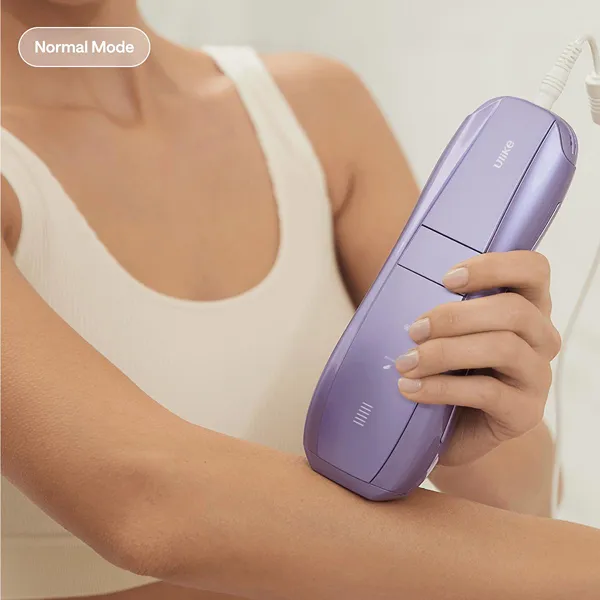
Ulike IPL is for gradual reduction, not instant hair removal. It suits someone who is tired of constant shaving but does not want to book clinic appointments for every session.
The key check is compatibility. IPL generally works best when the device can target pigment in the hair, so very light blond, white, gray, or red hair may respond poorly. If your skin tone or hair color falls near the edge of the device guidance, treat that as a reason to be cautious rather than hopeful.
Professional laser for in-clinic reduction
Professional laser is usually the stronger clinic route for long-term reduction. It can be a good choice for coarse dark hair, areas that grow back quickly, or people who want a trained provider to assess settings and skin response.
Electrolysis for permanent removal
Electrolysis is the method to consider when you want permanent removal rather than reduction. Because each follicle is treated one by one, it is especially useful for small areas such as the chin, upper lip, stray facial hairs, or stubborn patches that do not respond well to light-based methods.
Best hair removal methods by body area
Body area changes the answer quickly. The face needs precision, underarms often deal with coarse hair and friction, legs need efficient coverage, and the bikini line needs a lower-irritation approach. If you have sensitive skin, choose the gentlest acceptable method first instead of starting with the most aggressive one.
Shaving or threading for the face
Threading is useful for brows, upper lip, chin, and small facial areas where clean edges matter. It avoids chemicals and heat, although temporary redness can still happen.
Facial shaving can be fine for peach fuzz or quick upkeep, but use a clean facial razor and light pressure. Be more careful if you use retinoids, exfoliating acids, acne treatments, or anything that makes the skin barrier more reactive; waxing is often a poor match in that situation.
Ulike IPL for compatible facial areas
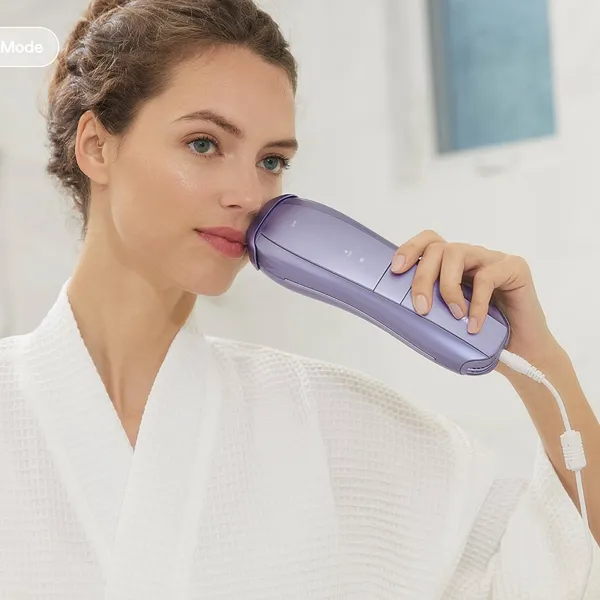
Ulike IPL may be suitable for certain facial zones only if the device instructions allow those areas. Think upper lip, chin, or sideburn region rather than anywhere near the eyes.
This is most useful for someone with visible dark regrowth who wants fewer touch-ups over time. It is not the best choice for light facial fuzz, excluded areas, or skin that is already irritated.
Ulike IPL or shaving for underarms
Choose shaving if you need same-day underarm smoothness. Choose Ulike IPL if your bigger annoyance is the cycle of shaving, shadow, stubble, and irritation returning again and again.
Ulike IPL or waxing for legs
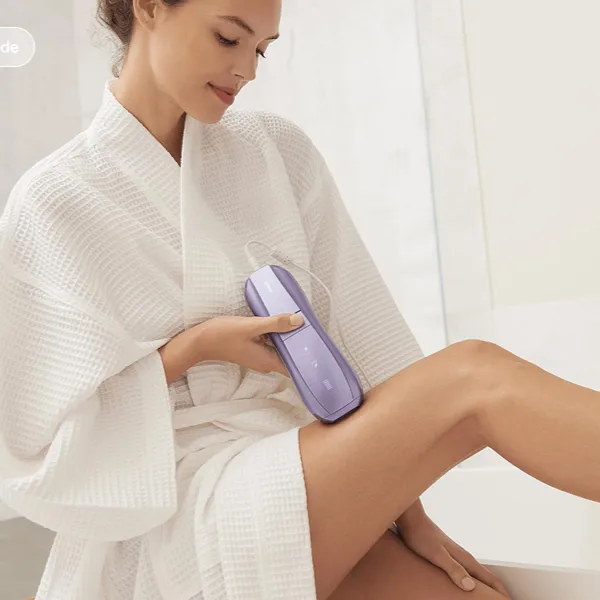
Legs are where convenience and coverage matter. Waxing is practical before a vacation or during summer if you want a longer smooth window without daily shaving.
Ulike IPL is more of a year-round routine. It asks for consistency at first, but it can be worth it for someone who shaves often and wants regrowth to become less demanding over time.
Ulike IPL or trimming for the bikini line
Trimming is usually the safest starting point for the bikini line because it shortens hair without scraping the skin or pulling from the root. It is the better choice if your main goal is neatness with minimal irritation.
Ulike IPL may be an option for the outer bikini line when the device instructions allow it and your hair and skin are compatible. Do not treat mucosal areas, irritated skin, or any area the device excludes. If you are prone to bumps, a less-perfect but calmer result is often the better result.
Shaving or IPL for larger areas
For arms, legs, chest, or back, shaving wins when you need quick coverage at low cost. IPL becomes more attractive when repeated shaving starts to feel like a chore.
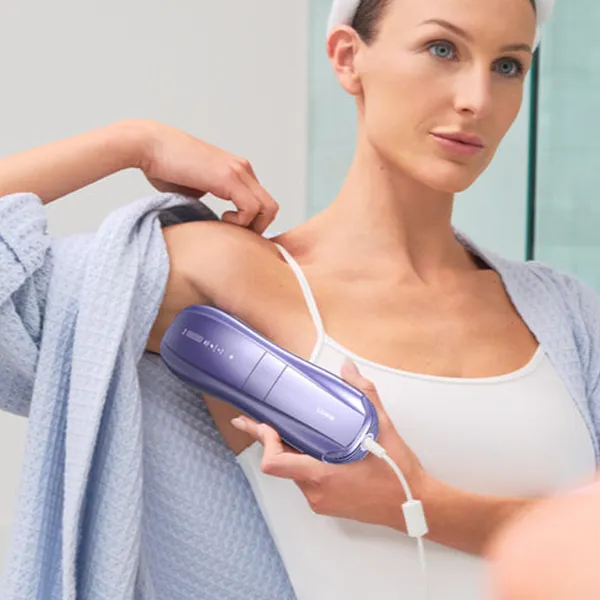
Why choose Ulike Air 10 for at-home hair removal
Ulike Air 10 makes the most sense for someone who wants long-term reduction at home and is willing to follow a routine. It is not a replacement for electrolysis if you want permanent removal, and it may not match a clinic laser for every case. Its appeal is privacy, repeated home use, and features that make consistency easier.
Long-term hair reduction
Ulike Air 10 is designed for reducing regrowth over time rather than removing every hair in one session. That makes it better for a long-term grooming routine than for last-minute smoothness.
If you want to stop thinking about underarm or leg stubble every few days, this type of device can be more useful than another temporary method. If you only need hair gone tonight, shave first and think about IPL later.
Treatment for coarse hair
Coarse dark hair is often where at-home IPL feels most relevant, provided your skin tone and hair color fit the device guidance. Underarms and the outer bikini line are common examples because shaving there can leave shadow, rough regrowth, or bumps.
Cooling during use
Cooling can make IPL feel less sharp or hot during use, which matters if discomfort is the reason you abandon routines. It does not make patch testing optional, but it can make repeated sessions easier to tolerate.
Adjustable treatment modes
Adjustable modes help because not every body area feels the same. Legs may tolerate a setting that would feel too intense near the bikini line or face.
Start conservatively, especially on smaller or more reactive areas. Increasing only when your skin responds calmly is usually smarter than starting at the strongest setting for speed.
Automatic skin sensing
Automatic skin sensing is useful because IPL safety depends on treating suitable skin and hair combinations. Built-in sensing can reduce guesswork, but it should still be used alongside the device instructions rather than as permission to ignore them.
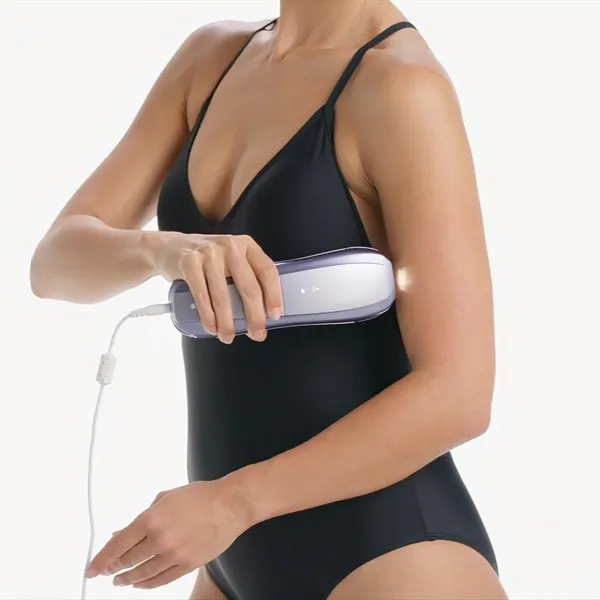
Fast full-body coverage
Fast coverage matters because a device only helps if you keep using it. If legs, arms, or other broad areas take too long, the routine becomes easy to skip.
For someone treating only a small patch, speed is less important. For someone planning regular full-body sessions, it can be the difference between a realistic habit and a device that stays in the drawer.
How to prevent irritation and ingrown hairs
Irritation usually comes from too much friction, dirty or dull tools, aggressive technique, or poor timing after treatment. Ingrown hairs are more likely when hair is cut or pulled in a way that lets it curl back under blocked or inflamed skin. The goal is not to punish the skin into smoothness; it is to remove hair with the least trauma that still gives the result you want.
Prep the skin gently
Clean the area before hair removal so sweat, oil, sunscreen, and product buildup do not add friction. If you get ingrown hairs, use mild exfoliation between sessions rather than a harsh scrub right before treatment.
Use clean tools
A clean, sharp tool prevents many avoidable problems. Replace dull razors, clean trimmer and epilator heads as directed, and do not reuse tools that drag, smell, rust, or leave the skin feeling scratched.
Follow the correct technique
Match the technique to the method: shaving needs lubrication and light pressure, waxing needs enough hair length for grip, and IPL needs clean dry skin plus the correct device timing. If a method repeatedly leaves you red, itchy, or bumpy, do not just do it harder next time.
Avoid repeated passes
Repeated passes are one of the fastest ways to turn a normal hair-removal session into razor burn, stinging, or bumps. If a few hairs remain after one careful pass, it is often better to leave them for later than to keep scraping the same patch.
Soothe the skin afterward
Use simple aftercare: a fragrance-free moisturizer, light lotion, or calming gel is usually enough. Skip strong acids, heavy fragrance, and harsh deodorant on freshly treated skin if it feels sensitive.
Reduce heat and friction
Heat and rubbing can make post-treatment redness worse, especially on the bikini line and underarms. If the area feels tender, give it a calmer 12 to 24 hours: loose clothing, no hot bath, and no intense workout if sweat or friction usually triggers bumps for you.
Conclusion
The smartest choice is the method you can use safely and consistently for the area you are treating. Shave or trim when you need fast, low-commitment grooming; choose waxing or epilation when longer smoothness is worth the discomfort; consider Ulike IPL or professional laser when repeated regrowth is the real problem; and look at electrolysis when permanent removal on a smaller area matters most.
FAQS
Is laser better than IPL for hair removal?
Professional laser is often stronger and more targeted, so it may suit people who want clinic-led reduction. IPL is usually better for at-home flexibility if your hair and skin are compatible.
Can plucking permanently remove hair?
No, plucking is not a reliable permanent hair removal method. It pulls hair from the root, but the follicle usually keeps producing new hair.
Which hair removal method is least painful?
Trimming is usually the gentlest because it does not cut close to the skin or pull from the root. Depilatory cream can also be low-pain, but only if your skin tolerates the formula.
What is the safest way to remove bikini hair?
Trimming is usually the safest option for the bikini area if irritation is your main concern. For smoother results, use careful shaving or approved outer-bikini IPL only when your skin is calm and the method fits the product guidance.

Popular Articles