Which Hair Removal Tool Is Right for You?
The right hair remover tool depends less on what looks most advanced and more on three things: where you want to use it, how sensitive your skin is, and whether you want quick removal or longer-term reduction. For last-minute grooming, a razor or trimmer usually makes more sense; for smoother results that last longer, look at epilators or IPL if your skin and hair type are suitable.

Which hair remover tool is best for you?
Start with the result you actually want. If you need bare-looking legs tonight, choose a razor. If you want to tidy the bikini line without much irritation, a trimmer is usually safer. If you dislike shaving every few days, an epilator or Ulike IPL may be more worth considering.
| Tool | Best for | Main trade-off |
|---|---|---|
| Razor | Fast shaving on legs, underarms, or quick touch-ups | Regrowth can feel stubbly soon |
| Trimmer | Sensitive areas and regular grooming | Not as smooth as shaving |
| Epilator | Longer-lasting smoothness on suitable body areas | Can feel uncomfortable, especially at first |
| Precision facial tool | Upper lip, chin, peach fuzz, and small detail areas | Best for small zones, not large areas |
| Ulike IPL | Long-term hair reduction at home | Needs consistency and hair/skin compatibility |
Razors for fast and easy removal
Razors are the easiest choice when speed matters. They cut hair at the skin surface, so the result is immediate, inexpensive, and simple to control. They are especially practical before a trip, a night out, or any situation where you want a quick fix without planning ahead.
The downside is short-lived smoothness. Hair can feel rough as it grows back because it has been cut bluntly, not removed from the root. Use a clean blade, avoid pressing hard, and do not shave over irritated or dry skin if you are prone to razor burn.
Trimmers for sensitive areas and regular grooming
A trimmer is often the more forgiving choice for the bikini line, underarms, or facial upkeep because it cuts hair down without scraping as closely against the skin. If your main goal is neatness rather than perfectly smooth skin, this is usually the lowest-drama option.
- Good for daily or weekly grooming: quick to use and easy to maintain.
- Good for sensitive skin: less close contact can mean fewer bumps.
- Not ideal for a bare finish: it usually leaves a little texture behind.
Epilators for longer-lasting smoothness
Epilators pull hair from the root, so they usually keep skin smoother for longer than shaving or trimming. They can be a good fit for legs or arms if you would rather deal with one more intense session than repeat shaving every couple of days.
Comfort is the deciding factor. Coarse hair, sensitive skin, and first-time use can make epilation feel sharp, so start on a small area and use it when hair is short enough for the device to grip without tugging too much. If you often get ingrown hairs, be more cautious with this method.
Precision tools for facial hair
For facial hair, control matters more than power. A small facial trimmer or precision razor is usually easier to guide around the upper lip, chin, sideburns, and peach fuzz areas than a larger body tool.
This is also where lighting and patience matter. If you are shaping near brows or working on visible facial areas, remove less than you think at first and check from different angles before continuing.
Ulike IPL for long-term hair reduction
Ulike IPL is different from shaving or epilating because it is meant for gradual hair reduction, not instant removal. It uses intense pulsed light to target pigment in the hair, so it tends to be most suitable when there is enough contrast between the hair and skin.
What to consider before choosing a hair remover tool
Before buying, decide what would make the tool easy to keep using. A device can be popular and still be wrong for you if it irritates your skin, takes too long, or feels awkward on the area you actually want to treat.
The body area you want to treat
Match the tool to the area first. Large areas such as legs need speed and coverage, while the upper lip, chin, bikini line, and underarms need more control. A tool that feels efficient on the legs can feel clumsy or too harsh on the face.
Your skin sensitivity
If your skin often reacts with redness, itching, bumps, or burning, choose the gentlest workable option first. A trimmer or electric shaver is often easier to tolerate than waxing or epilating, especially in areas where the skin folds or rubs against clothing.
- Avoid treating stressed skin: wait if the area is sunburned, inflamed, freshly exfoliated, or broken.
- Patch test stronger methods: especially epilators, waxing tools, and IPL devices.
- Watch the next day, not just the first hour: delayed bumps can tell you more than immediate smoothness.
Your hair color and thickness
Thicker hair may make shaving feel rougher during regrowth and epilation more uncomfortable, but it can also be easier for some tools to catch. Fine facial hair often needs a gentler tool with better control rather than a stronger body device.
Hair color matters most with IPL. At-home IPL devices generally rely on pigment in the hair, so very light blonde, red, gray, or white hair may respond poorly. If your hair is light and fine, a razor, trimmer, or precision facial tool may give a more predictable result.
How long you want results to last
If you want the fastest result, shaving wins. If you want the least irritation while staying tidy, trimming is often better. If you want smoothness that lasts longer, epilation is worth considering. If your goal is long-term reduction and you can stay consistent, IPL is the more strategic option.
This is where lifestyle matters. A busy person who only removes hair before events may be happier with a razor and trimmer. Someone who wants year-round lower maintenance may prefer investing time in IPL or using an epilator on larger areas.
Your budget and maintenance preference
Think beyond the price tag. Razors cost less upfront but need replacement blades. Trimmers and epilators cost more at first but can last longer with cleaning and charging. IPL usually has the highest upfront cost, so it makes more sense if you will actually follow the treatment routine.
How to use hair removal tools safely
Most irritation comes from rushing, using the wrong tool for the area, or treating skin that is already stressed. The safest routine is simple: choose the right method, prep the skin, use light pressure, and clean the tool before storing it.
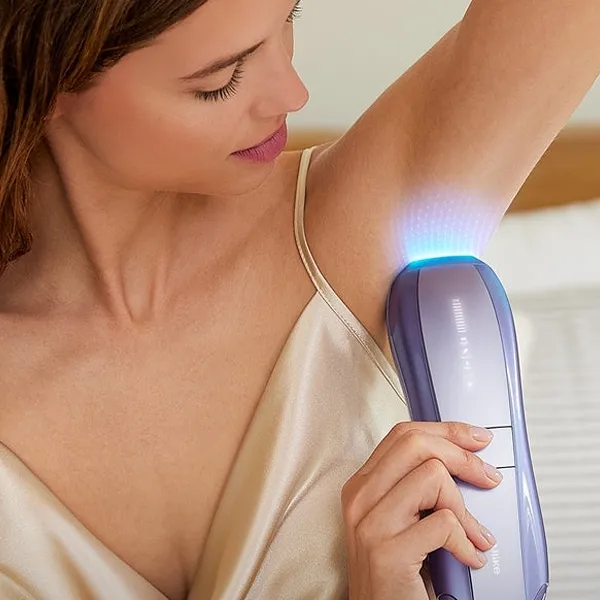
Use the right tool for the treatment area
Do not assume one device works equally well everywhere. A large body epilator may be too intense for the upper lip, while a tiny facial tool would be painfully slow on full legs. Use facial tools for facial detail, body tools for larger areas, and IPL only on areas allowed by the device instructions.
Start with clean and calm skin
Clean skin lowers the chance of irritation and helps tools work more smoothly. Remove heavy lotion, deodorant, sunscreen, or makeup before treatment unless the device specifically says otherwise.
Calm skin is just as important. If the area is freshly exfoliated, sunburned, scratched, or reacting to skincare, wait. Hair removal on already irritated skin is one of the easiest ways to turn a small grooming job into days of redness.
Follow the tool instructions carefully
Instructions are especially important for IPL, epilators, and electric devices with different heads or settings. Check which body areas are allowed, whether skin should be wet or dry, and whether a patch test is recommended.
- Test first: try a small hidden area before treating a larger zone.
- Use light pressure: pressing harder usually increases irritation, not effectiveness.
- Move slowly: rushing can lead to missed patches, nicks, or uneven results.
Keep reusable tools clean
Hair, skin oil, and product residue can build up on blades, tweezers, guards, and IPL treatment windows. Clean the tool after use according to its instructions, and let washable parts dry fully before storing them.
If a reusable tool suddenly feels less effective, check for buildup before assuming it is broken. Dirty heads can drag, miss hair, or irritate skin more than they should.
Use gentle aftercare to limit irritation
After hair removal, keep the area boring for a while: no harsh scrubs, strong acids, heavy fragrance, or tight friction on freshly treated skin. A simple soothing moisturizer or fragrance-free lotion is usually enough.
If bumps, burning, or redness keep happening even with careful prep and aftercare, treat that as a sign to change methods. Smooth skin is not worth a tool that your skin keeps rejecting.
Conclusion
Choose the tool that fits your real routine, not the one that sounds best on paper: razor for speed, trimmer for low-irritation upkeep, epilator for longer smoothness, precision tool for facial detail, and Ulike IPL for gradual long-term reduction when your hair and skin type are suitable. If you are unsure, start with the gentlest option for the area and move up only if you truly need a closer or longer-lasting result.
FAQS
What is the best hair remover tool for facial hair?
A small facial trimmer or precision facial razor is usually the best first choice because it gives control without using a bulky body tool. If you want longer-term reduction, only consider IPL if the device allows facial use and suits your hair and skin tone.
Which hair remover tool lasts the longest?
IPL usually offers the longest-term reduction with repeated use, while epilators give longer smoothness than shaving because they remove hair from the root. For instant smooth skin today, epilation is more immediate; for gradual reduction, IPL is the better fit.
Does hair grow back thicker after hair removal?
No, hair removal does not make hair grow back thicker. Shaved hair can feel coarser because the tip is cut bluntly, while root-removal methods and IPL may make regrowth feel different over time.


Popular Articles