Which Facial Hair Removal Method Suits Men Best?
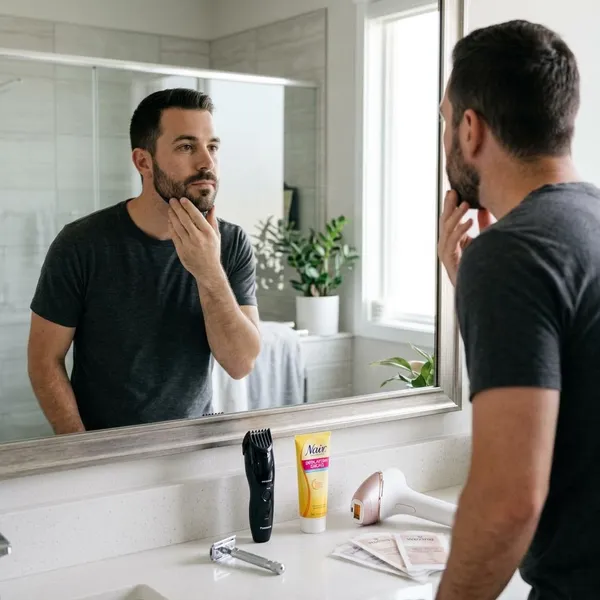
Facial hair removal for men works best when you choose the method around your real goal: a cleaner shave, a sharper beard line, fewer bumps, or longer-term reduction. If you still like your beard, start with trimming and targeted cleanup; if shaving keeps irritating your neck, consider changing technique first before committing to laser or electrolysis.
How to choose the right method
The first check is not which tool is most popular. It is whether you want temporary control, a neater beard shape, or a more permanent change. A man who wants a tidy neckline before work needs a different plan from someone who gets painful ingrown hairs every week.
| Goal | Usually sensible | Be careful with |
|---|---|---|
| Keep a beard but clean the edges | Trimmer, razor cleanup, targeted neck or cheek treatment | Full beard laser if you may want a different style later |
| Daily smooth shave | Good shaving prep, sharp blade, with-the-grain technique | Repeated close passes on curly or bump-prone hair |
| Reduce chronic neck bumps | Less-close shaving, trimming, possible professional laser consultation | Home devices used outside approved areas |
| Long-term removal of light or gray hairs | Electrolysis consultation | Expecting laser to work well on hair with little pigment |
What to consider before beard laser treatment
Beard laser treatment needs more planning than body hair removal because mistakes show every day. A patchy cheek line, an over-high neckline, or pigment changes on the face can be harder to ignore than a poor result on the chest or legs.
It can be useful for neck cleanup, beard shaping, heavy shadow, or recurring ingrown hairs, but it is usually better to think in terms of reduction rather than guaranteed permanent removal.
Hair color and treatment suitability
Laser relies on pigment in the hair, so dark brown or black beard hair is usually the best candidate. Pale blond, red, gray, and white hairs often need another approach because there may not be enough pigment for the laser to work effectively.
Even suitable beard hair can thin unevenly. The chin and jaw may be more stubborn than the cheeks, so a provider who promises perfectly even clearance everywhere should make you cautious.
Provider experience with your skin tone
Ask whether the clinic regularly treats your skin tone and dense male facial hair. This is more useful than asking only about the machine name, because safe settings and good judgment matter just as much as the device.
- Ask for facial-hair experience: beard density is different from arm or leg hair.
- Discuss pigment risk: especially if your skin marks easily after acne, shaving, or irritation.
- Consider a test spot: a cautious provider should not object when the face is involved.
Beard shape and future grooming plans
Laser is not ideal if you like changing beard styles every few months. Once density is reduced, you may not be able to grow the same fullness or shape again.
For someone who keeps a short boxed beard year-round, a conservative lower-neck treatment can make daily grooming easier. For someone who alternates between clean-shaven, stubble, and a fuller beard, permanent-looking cheek or jaw shaping may feel too limiting later.
Multiple sessions and possible maintenance
One appointment will not clear a beard. Hair grows in cycles, and dense facial hair usually needs a planned series of sessions before the change is obvious.
When comparing prices, ask about the full expected course, not just the single-session fee. Also ask whether maintenance sessions are common for the area you want treated, because facial hair can remain hormonally influenced over time.
Burns, pigment changes, and uneven results
The main risks are burns, swelling, irritation, pigment changes, and patchy reduction. Those risks become more serious when the treated area defines your beard line.
A sensible consultation should include the exact treatment boundary, your skin's reaction history, recent tanning or irritation, and what result would still look natural if the hair only thins rather than disappears.
What to check before using a home device
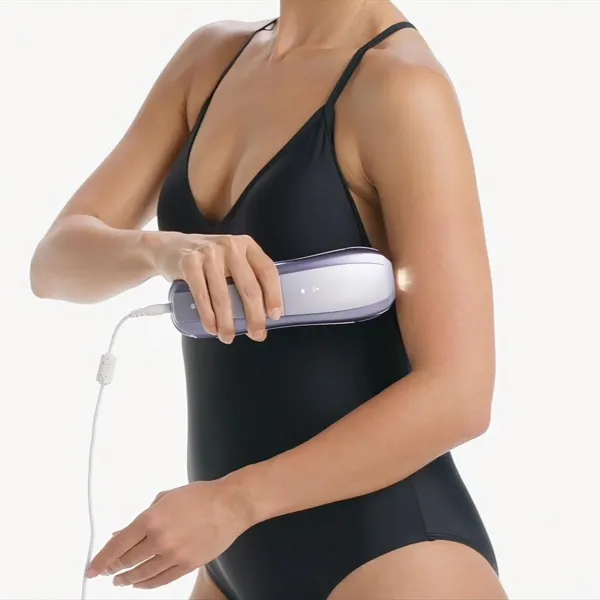
Home IPL devices are tempting because they are private and cheaper than clinic packages, but male facial hair is one of the areas where you should read the rules before buying. Many at-home tools are not approved for dense beard areas, even if they are marketed for general hair removal.

A home device may be reasonable for a small approved cleanup zone, but it is a poor gamble if the manual is vague about men's faces, the beard, or your skin tone.
Explicit approval for male facial hair
Look for clear wording that the device can be used on male facial hair. If the instructions only mention women's facial hair, body hair, or "face" in a general way, do not assume that includes a coarse beard.
This is a safety issue as much as a results issue. Using a device outside its instructions can increase the chance of irritation and may leave you without useful support from the brand.
Restrictions on beard and neck treatment
Check the exact map of approved areas. Some devices allow use below the cheekbones but restrict the moustache, central beard, jaw, or neck; others may exclude male facial use entirely.
- Do not overlap flashes to "make it stronger." That can raise irritation risk.
- Avoid treating freshly irritated skin. Shaving rash and IPL are a bad combination.
- Mark your boundary carefully. A crooked neckline is more noticeable than missed body hair.
Skin tone and hair color limits
Most home devices work within a narrower range than professional systems. Dark hair and lighter skin are usually the easiest combination; very light hair or deeper skin tones may be outside the safe or effective range for some products.
Use the manufacturer's shade chart, then do a patch test in the actual area you plan to treat. Wait long enough to see whether redness, stinging, or discoloration develops before treating a visible section of the face.
How to reduce irritation during routine hair removal
If your main problem is burning, bumps, or rough skin after shaving, fix the daily routine before assuming you need a stronger removal method. Small changes can matter a lot when beard hair is coarse, curly, or grows in different directions along the neck.
Soften beard hair before shaving
Warm water gives beard hair time to soften, so the blade can cut with less pressure. Shaving after a shower is often easier than shaving dry at the sink, especially if your beard feels wiry or dense.
If mornings are rushed, press a warm wet towel on the beard area for a short time and let the shaving cream sit briefly before the first pass. That is usually more useful than buying another razor without changing your prep.
Use clean tools and suitable shaving products
A dull blade, clogged razor, or dirty trimmer can tug at hair and irritate skin. Replace blades before they scrape, rinse razors often while shaving, and clean trimmer guards so oil and stubble do not build up.
Choose shaving products for glide, not for the strongest scent or cooling effect. If your face stings after every shave, fragrance-heavy or alcohol-heavy products may be making the routine harder on your skin.
Shave with the direction of growth
Map your beard before shaving closely. Neck hair often grows sideways or in swirls, so one straight downward pass may actually go against the grain in some spots.
- First pass: shave with the direction of growth using light pressure.
- Second pass: only if needed, reapply product first.
- High-bump areas: leave a tiny bit of length or use a trimmer instead.
For men who only need to look neat for work, a slightly less close shave can be the better trade-off. Smooth skin for six hours is not worth several days of bumps.
Conclusion
The best choice is the one that solves your actual grooming problem with the least unnecessary risk: trim if you want control, improve shaving technique if irritation is the issue, and only consider laser or electrolysis when you are comfortable with the cost, limits, and long-term effect on your beard shape.
FAQS
Does facial laser hair removal hurt?
Usually, yes, but many men find it manageable. Dense beard and neck areas tend to feel sharper than finer facial hair, so ask about cooling and start conservatively if you are unsure.
Can laser help with beard shadow?
It can soften beard shadow when the shadow comes from dark hair under the skin. Expect gradual reduction rather than an instant clean-shaven look.
Does shaving make a beard grow back thicker?
No. Shaving cuts the hair bluntly, which can make regrowth feel rougher, but it does not change the follicle or create thicker beard growth.


Popular Articles